












Tag: Leadership
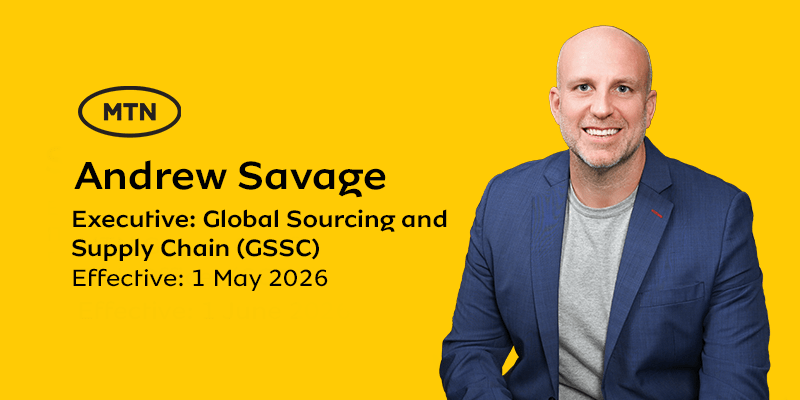
MTN Group today announced the appointment of Andrew Savage as Executive: Global Sourcing and Supply Chain (GSSC), effective 1 May 2026.
Andrew brings more than two decades of global sourcing and supply chain leadership experience. He has played a key role in MTN’s procurement transformation journey, most recently leading the Group’s Procurement Excellence function and providing executive oversight of the GSSC function in an acting capacity.
Over the years, Andrew has led several strategic initiatives across MTN’s markets, including the digitalisation of procurement processes, operating model transformation and the advancement of sustainable value creation across the Group’s procurement ecosystem.
Congratulating him on his appointment, Tsholofelo Molefe, MTN Group Chief Financial Officer, said: “I am confident that under his leadership, procurement and supply chain will continue to be a key strategic enabler for MTN.“
In his new role, Andrew will lead MTN’s global sourcing and supply chain operations, with a mandate to build a resilient, agile and integrated supply chain that supports the Group’s strategy, strengthens value creation and accelerates digital and sustainable procurement practices.
He is recognised for a collaborative and people-centred leadership style, and for his ability to connect people, processes and technology to deliver measurable impact.
MTN will participate in MWC Barcelona 2026 from 2 to 5 March at Fira Gran Via in Barcelona, joining global industry leaders, governments and investors as the sector shapes the next phase of digital infrastructure and services. Convened by the GSMA, MWC Barcelona 2026 marks the event’s 20th edition in Barcelona and remains the sector’s most influential gathering on connectivity and the digital economy.
For the first time at MWC Barcelona, MTN will exhibit from its own stand in Hall 4, providing a dedicated space for leadership engagement on the infrastructure, policy and partnership priorities shaping Africa’s digital and AI readiness.
With the event theme, “The IQ Era,” MWC Barcelona 2026 will spotlight AI-powered connectivity, next-generation networks and the systems that make digital transformation durable, secure and scalable. For Africa, AI readiness will be determined by fundamentals that can be built, financed and governed: resilient networks and supporting infrastructure, affordable access, relevant skills, and policy and regulatory certainty that supports long-term investment. MTN’s participation reflects its continued focus on strengthening these foundations through sustained network investment, expanding digital and financial services, and supporting partnerships that extend reach and reduce barriers to inclusion.
Leading the MTN delegation, Group President and CEO Ralph Mupita, in his capacity as Deputy Chair of the GSMA, will engage in high-level discussions on the enabling role of telecommunications in AI ecosystems. His participation in leadership engagements during the week will focus on the infrastructure and enabling frameworks required for responsible AI adoption at scale, particularly in emerging markets.
MTN’s broader executive team will contribute to specialised dialogues on priorities central to Africa’s digital future, including fintech innovation, digital trust and online safety, and the partnership models needed to accelerate coverage, strengthen resilience and build confidence in digital platforms.
MTN invites partners, investors, media and stakeholders attending MWC Barcelona 2026 to connect with the team in Hall 4 to engage on how Africa’s digital future is being built, and the practical collaboration required to ensure the AI era broadens opportunity rather than widening divides.
MTN Group announced today that the board of IHS Towers has accepted an offer of US$8.50 a share in a transaction that would see MTN increasing its shareholding to 100%. The potential transaction is subject to various approvals and the delisting of IHS from the New York Stock Exchange (NYSE).
Upon the completion of IHS’s announced disposals (on 11 February and 17 February 2026) of its Latin American assets, it is intended that MTN will acquire 100% of IHS’s remaining business.
IHS is one of the world’s largest tower companies, with nearly 29 000 high-quality towers in Africa serving various mobile network operators in five key MTN markets.
The proposed transaction, which follows discussions noted on 5 February 2026, marks an important step to unlock compelling value for MTN and strengthen and reintegrate its ownership of critical digital infrastructure across Africa. For IHS shareholders, it provides them with an attractive opportunity to crystallise value.
The funding for the proposed transaction of the remaining shares MTN does not already own, for a consideration of some US$2.2 billion, will be through cash of approximately US$1.1 billion on IHS’s balance sheet, along with available liquidity and debt from MTN.
MTN has approximately 24.7% shareholding in IHS. As part of the transaction, it intends to take the company private through the acquisition of all outstanding shares it does not own, pursuant to a cash merger.
By reintegrating the tower assets, MTN will be able to internalise the margin currently paid to IHS, benefit from current and future incremental third-party revenues, improve cost predictability and unlock significant long-term value embedded in its existing investment.
“This proposed transaction is a pivotal step in further strengthening MTN Group’s strategic and financial position for a future where digital infrastructure will become ever more essential to Africa’s growth and development,” saidMTN Group President and CEO Ralph Mupita. “This transaction gives us a unique opportunity to buy back our towers and strengthen our ability to be partners for progress to the nation states in which we operate.”
“For IHS customers and partners across the continent, we commit to continuing high standards of service and the right governance of what is the largest standalone and integrated tower company in Africa, enabled by the excellent people within IHS.”
Through this transaction, shareholders of IHS will receive US$8.50 per share. This translates to an 9.7% premium to the 30-day volume-weighted average price as at 4 February 2026 (the last day of trading before the release of MTN’s cautionary announcement) on the NYSE, enabling them to unlock the value of their investment.
Long-term IHS shareholder Wendel has provided a letter of support to vote in favour of the transaction and will receive full liquidity on its shares upon closing. With support from Wendel (and certain affiliates) and MTN being able to vote at a general meeting, ~40% has already been secured of a minimum two-thirds approval of voting shareholders.
IHS Chairman and CEO Sam Dawish commented: “The proposed transaction deepens our long-standing partnership with MTN as it combines Africa’s largest mobile network operator with one of its largest digital infrastructure platforms and underscores the strong connection between IHS Towers and the African continent.”
In structuring this transaction, MTN remains focused on disciplined capital allocation inclusive of shareholder remuneration going forward. No new equity issuance will be required at the MTN Group level and the funding plan allows for a short-term increase in leverage. The transaction is forecast to be accretive to net income and cash flow.
The proposed transaction is subject to IHS shareholder approval, regulatory approvals in the relevant markets and customary closing conditions.
Link to SENS
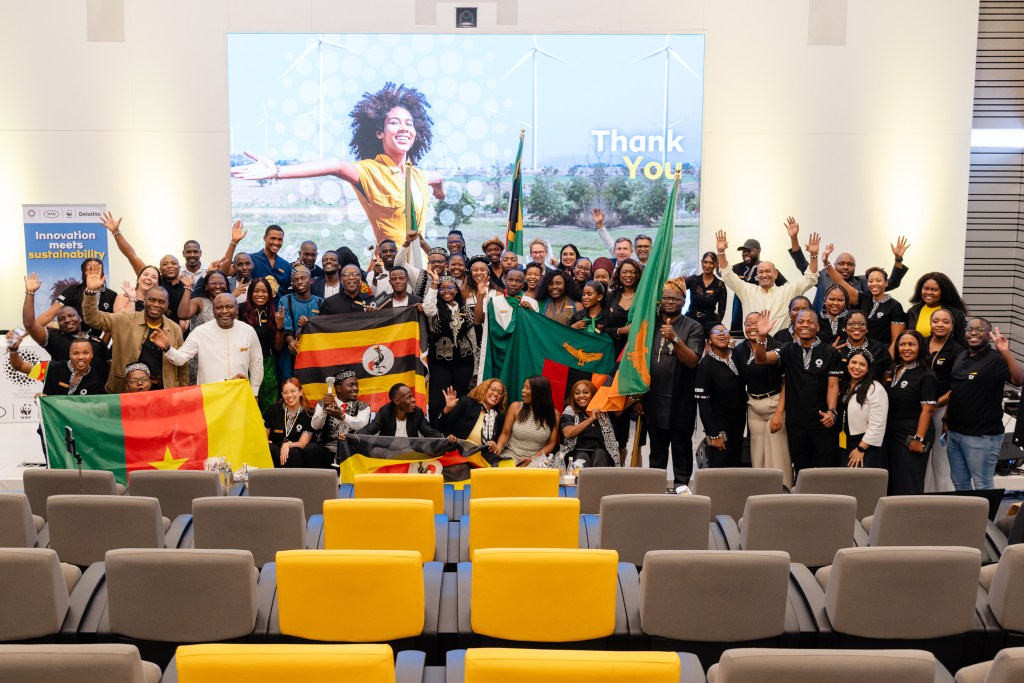
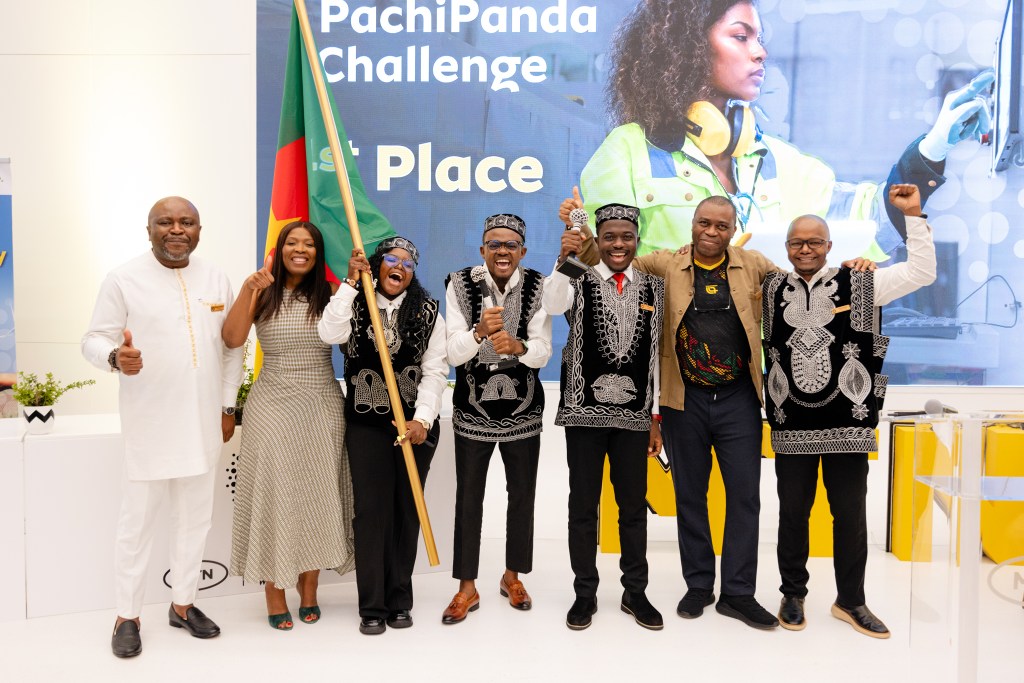
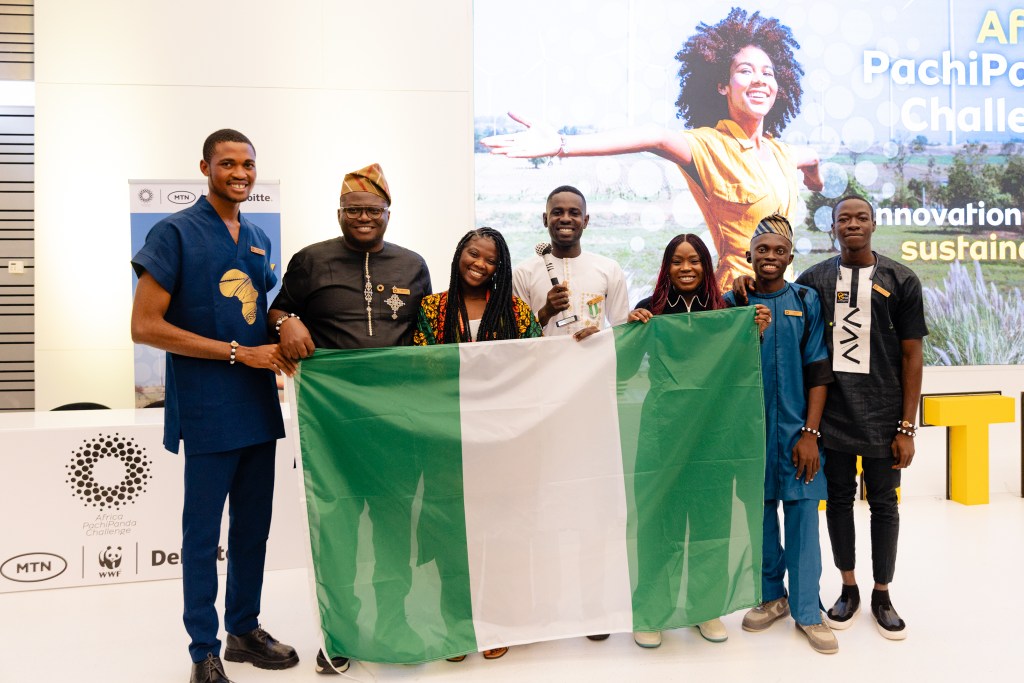
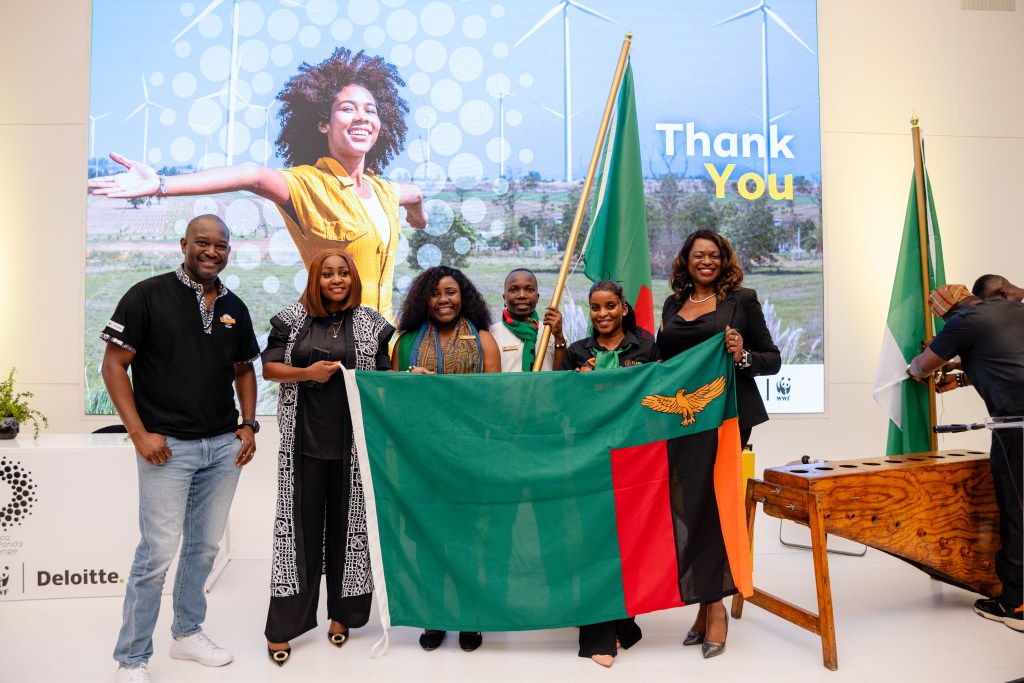
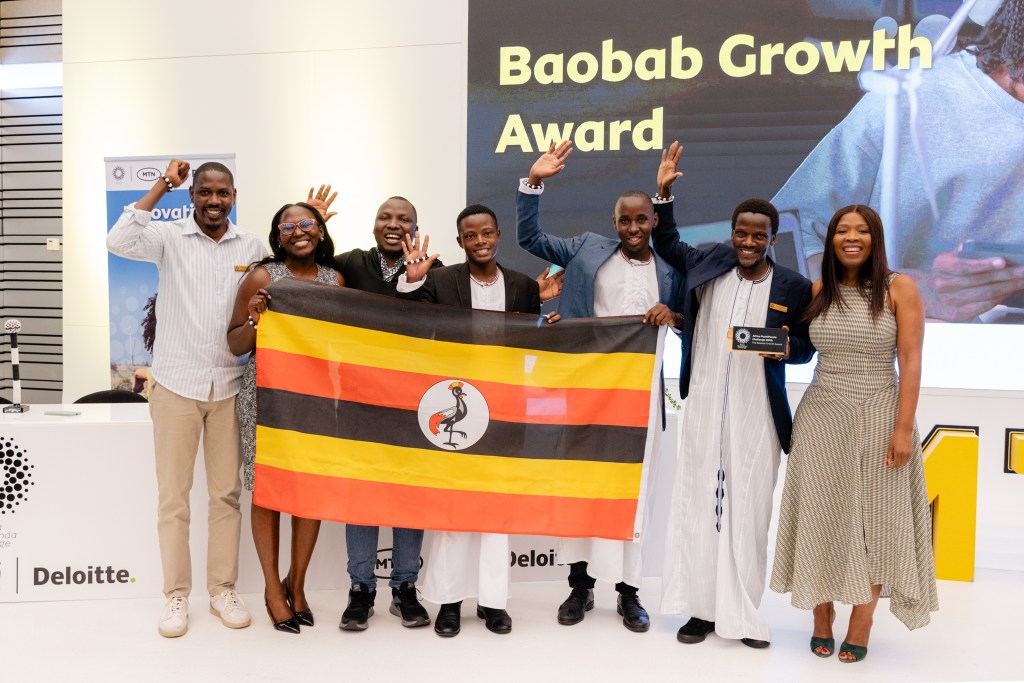
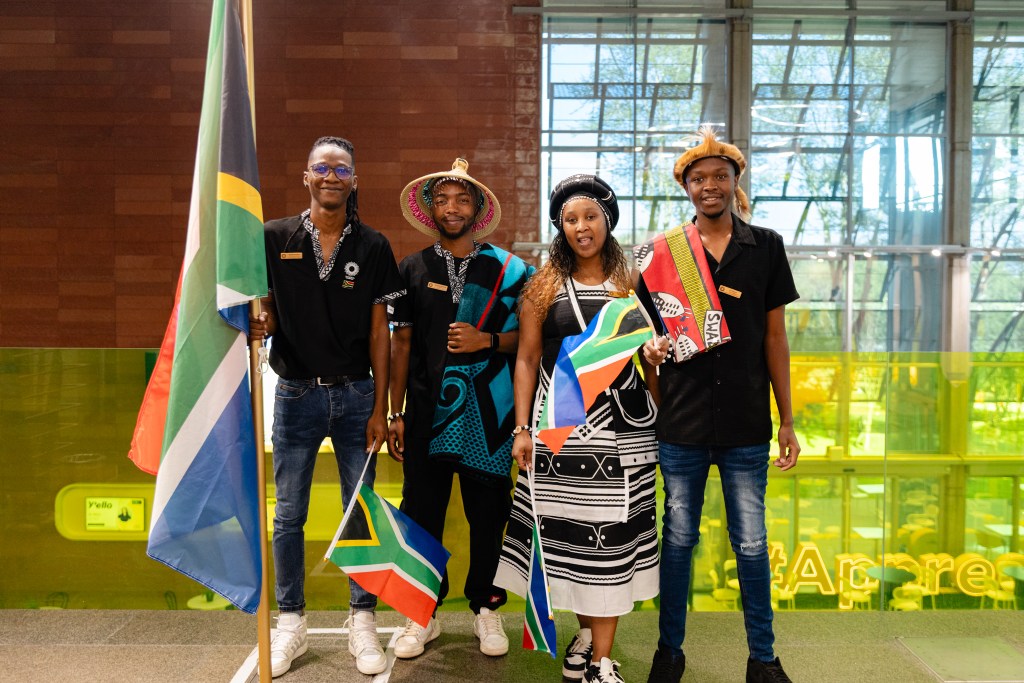
MTN, together with the World Wide Fund for Nature (WWF) and its strategic partners, has announced the winners of the 2025 Africa PachiPanda Challenge, concluding a continent-wide search for scalable, youth-led environmental enterprises driving Africa’s green economy.
Hosted at the MTN Innovation Centre in Johannesburg this week, the finale marked the culmination of a highly competitive process that attracted 2,484 youth-led small and medium enterprises from across multiple African markets. Guided by the theme, “Nourishing Tomorrow: Innovation for Food, Energy and Water Security,” the Challenge spotlighted commercially viable solutions addressing systemic environmental pressures while advancing inclusive, low-carbon growth.
Arnaud Njita of Cameroon won first place for nTron STEM Kit, converting plastic waste into 3D-printing filament for STEM education; Ndaman Joshua Olayinka from Nigeria secured second for BuyScrap, a tech-enabled e-waste recycling platform; and Bill Agha of Cameroon placed third for AgriCheck, a climate-smart digital agriculture solution. Together, they reflect the strength of youth-led innovation driving circular economy and climate resilience across Africa.
“Africa’s youth are not just responding to the climate challenge – they are shaping the solutions,” said Nompilo Morafo, MTN Chief Sustainability and Corporate Affairs Officer. “Through the PachiPanda Challenge, MTN is backing youth-led innovation that can scale environmental impact and unlock economic opportunities that could help enable long-term resilience for communities across the continent.”
The Challenge reflects the scale of opportunity within Africa’s climate economy. Agriculture remains central to employment yet constrained by land degradation, limited irrigation and climate volatility. At the same time, Africa’s renewable energy and water potential remains significantly underdeveloped. Innovation across food systems, energy access and water security therefore represents both a climate imperative and a strategic growth frontier.
The PachiPanda Challenge is a flagship pan-African platform for youth-led environmental innovation. The programme goes beyond ideation, equipping entrepreneurs with funding, mentorship and governance support to build investment-ready enterprises that create jobs and measurable environmental outcomes.
“What we have seen confirms that this is far more than a competition. It is a statement of intent. It shows that Africa is not waiting to be rescued by ideas from elsewhere, but is actively generating its own solutions—solutions rooted in local realities, driven by African entrepreneurs, and designed to deliver both economic value and measurable benefits for nature and communities” Alain Ononino, WWF Cameroon Country Director.
A distinguished panel of industry experts selected the winners from a diverse group of finalists spanning clean energy, food security ecosystems, circular economy solutions and waste-to-value innovations. The standard of innovation reflected the depth of Africa’s emerging climate-tech pipeline.
Jane Mammatt, ESG, Sustainability and Climate Change Partner at Deloitte, formed part of the expert judging panel “The PachiPanda Challenge highlights the growing pipeline of African innovators who are developing practical solutions to complex environmental challenges. Through the masterclass and ongoing mentoring, our focus has been to help participants strengthen their business models, governance and investment readiness, so that these ventures are well positioned to scale and deliver meaningful environmental and social impact.”
Flame Innovation Zambia, led by Agatha Mumba Mwansa, received both the Thematic Excellence Award and the Ubuntu Award for transforming waste materials into clean-energy alternatives such as fire blocks and eco-friendly household products, reducing deforestation and fuel costs while advancing circular economy principles. The Baobab Growth Award was presented to EcoDrop Project from Uganda founded by Kanyesige Pascal, Kigozi Martin Koyamu and Nyesiga Promise, for its incentive-based recycling model that rewards communities with cash, data or airtime for responsible plastic disposal, driving behavioural change at scale.
Winners will receive MTN funding to accelerate the next phase of growth, complemented by structured post-competition mentoring from Deloitte to strengthen business models, governance and investment readiness. The programme concludes with an executive immersion hosted by Wits Business School, providing finalists with exposure to leadership perspectives, enterprise development frameworks and innovation ecosystems to support scale.
By enabling youth-driven climate innovation, MTN and its partners are not only addressing environmental risk but also strengthening local ecosystems and contributing to Africa’s transition toward a more resilient, low-carbon future.
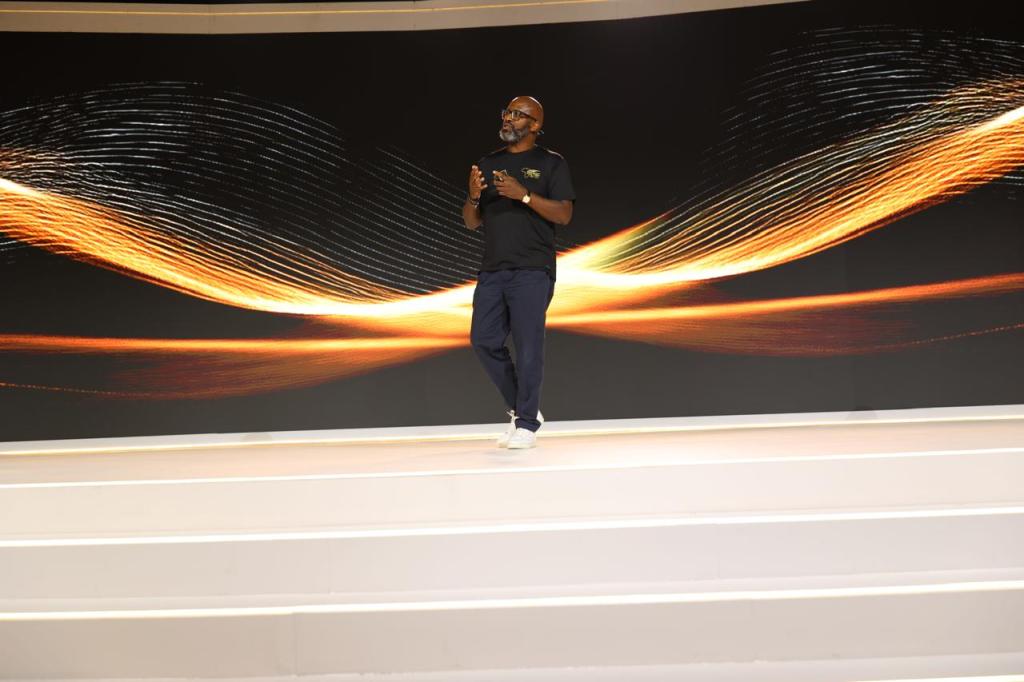


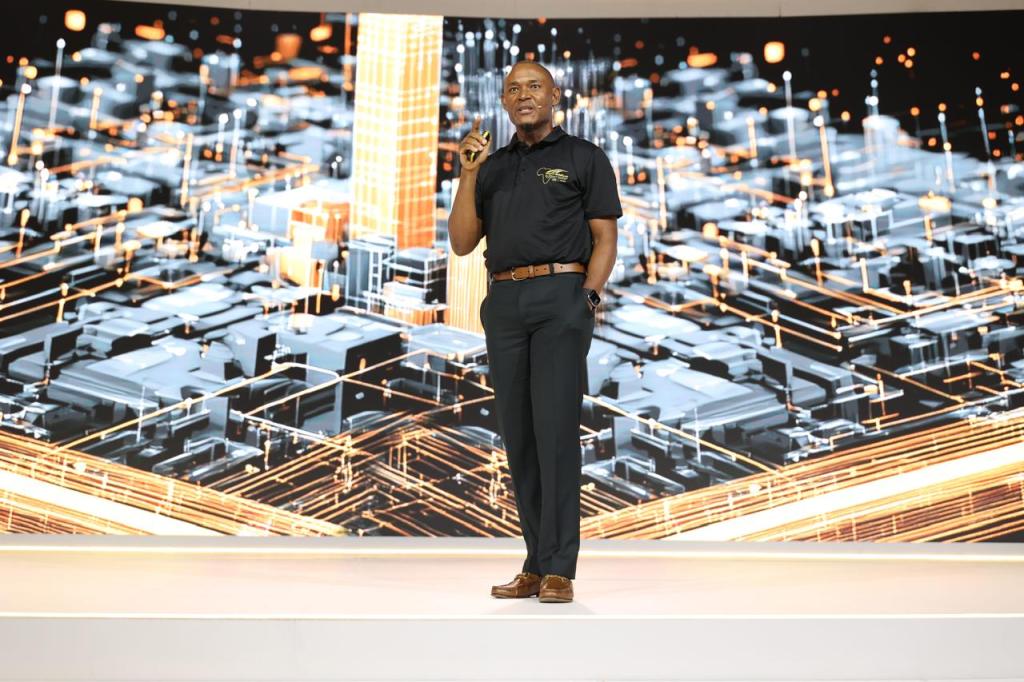
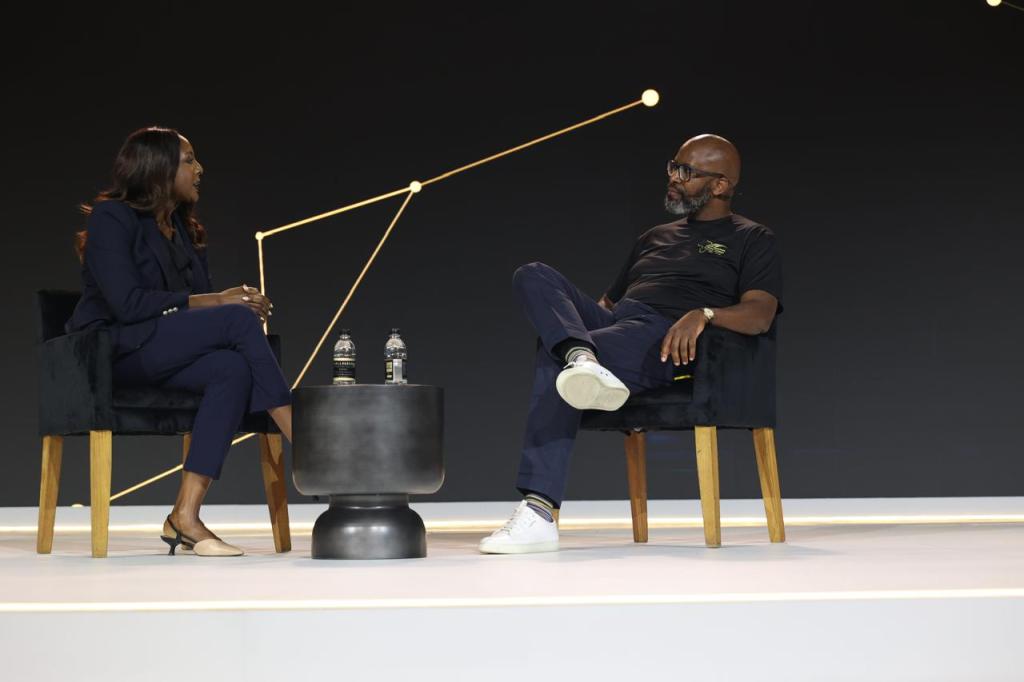
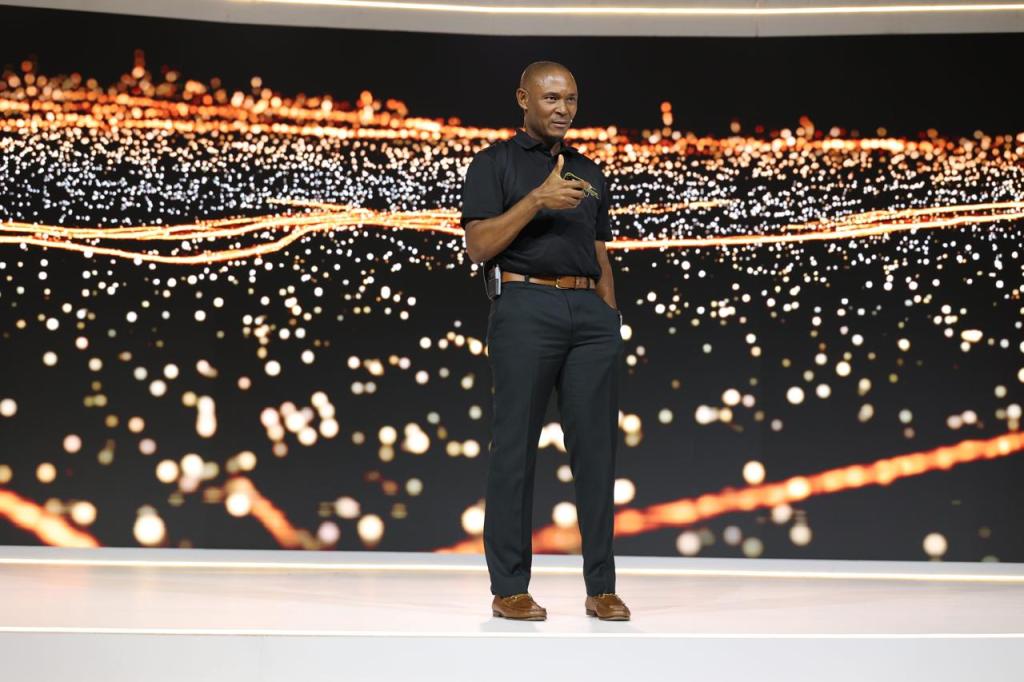
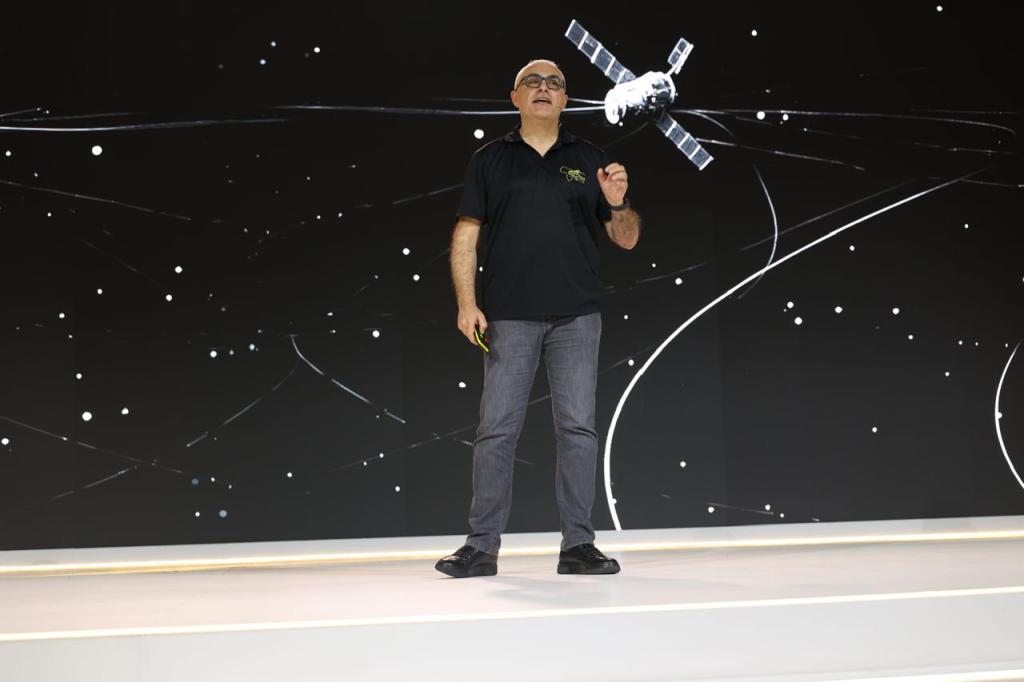
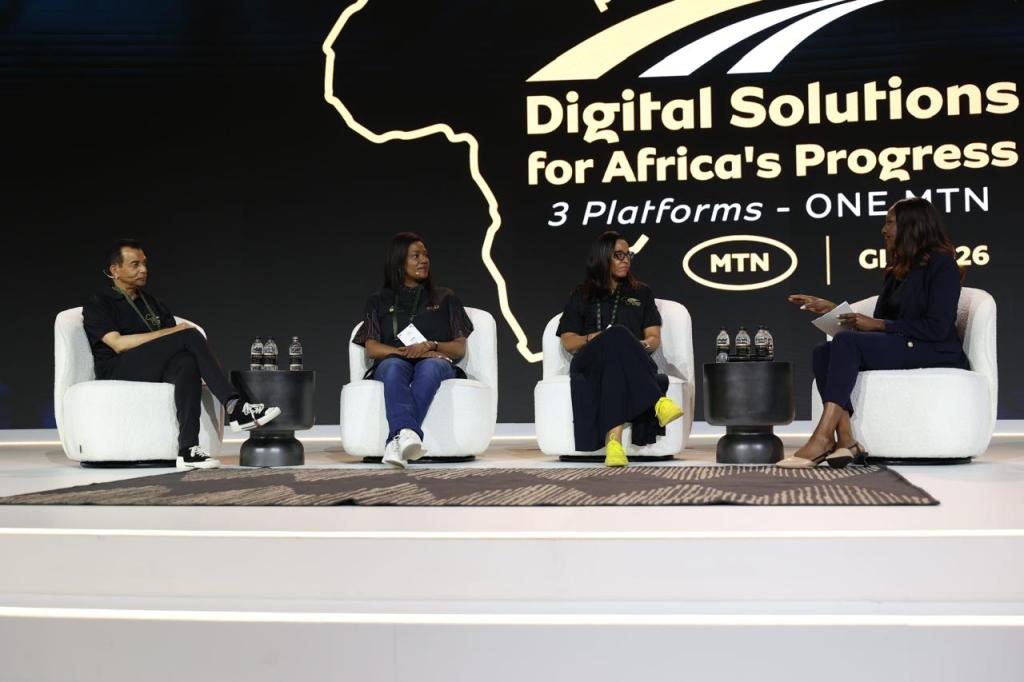
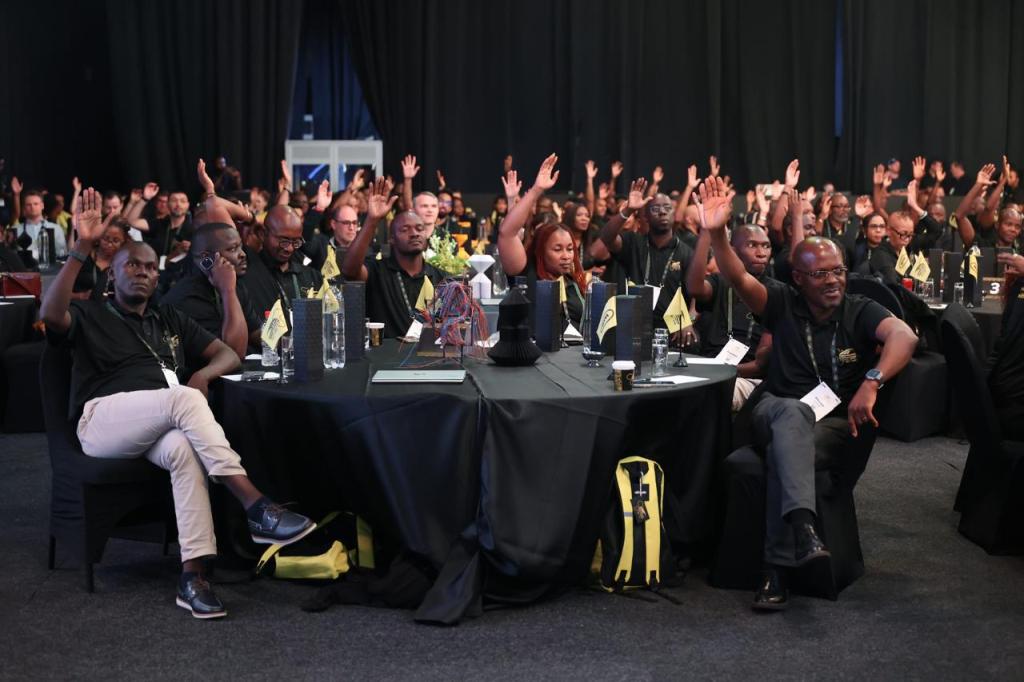
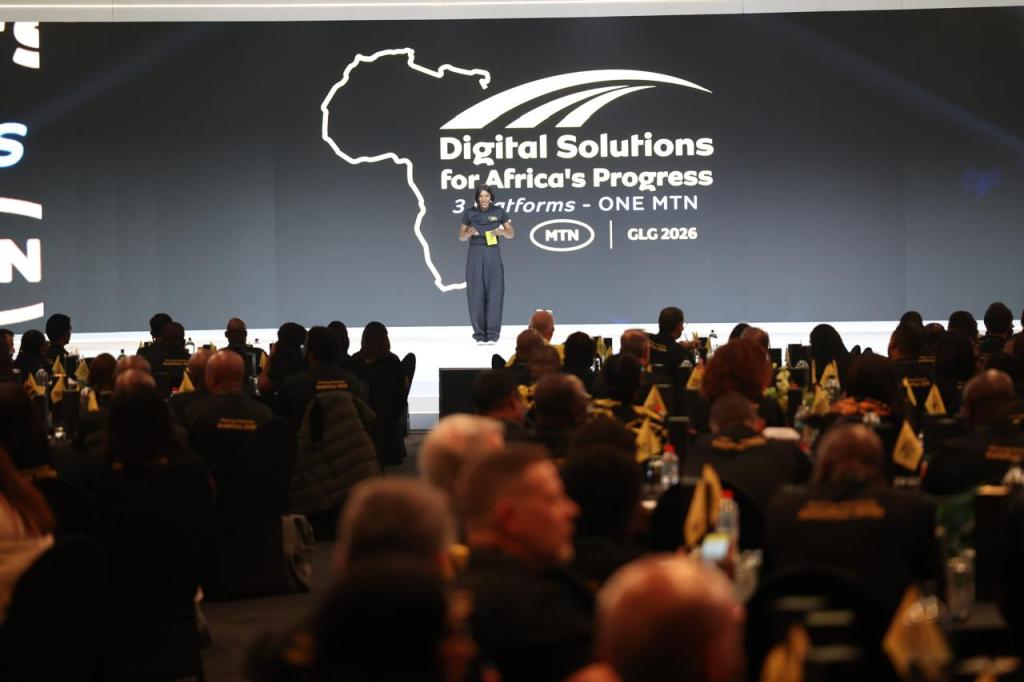

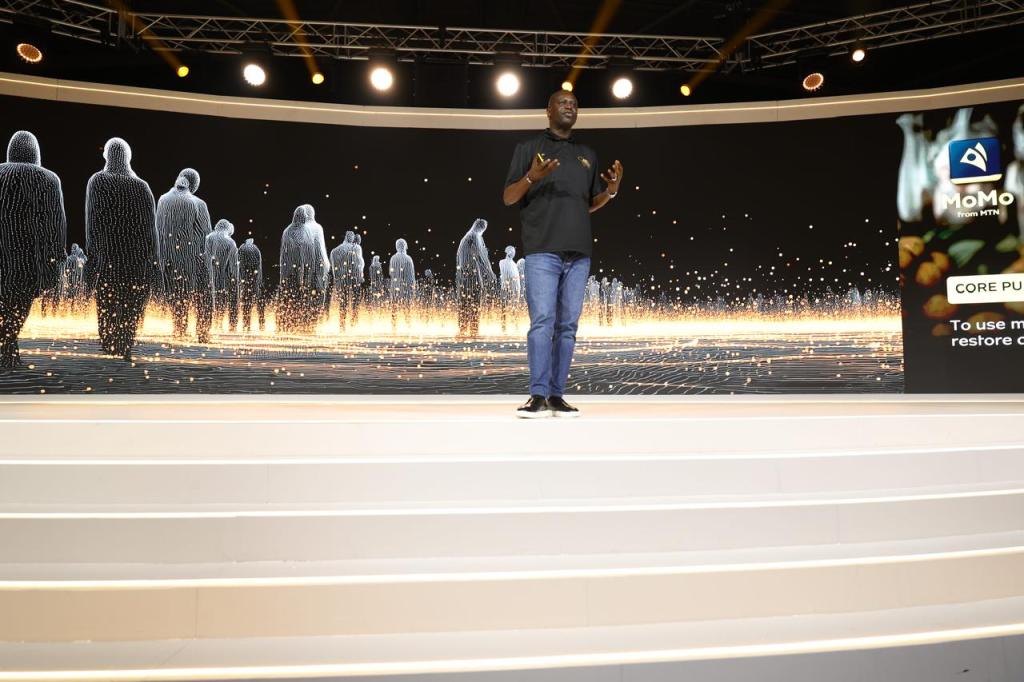
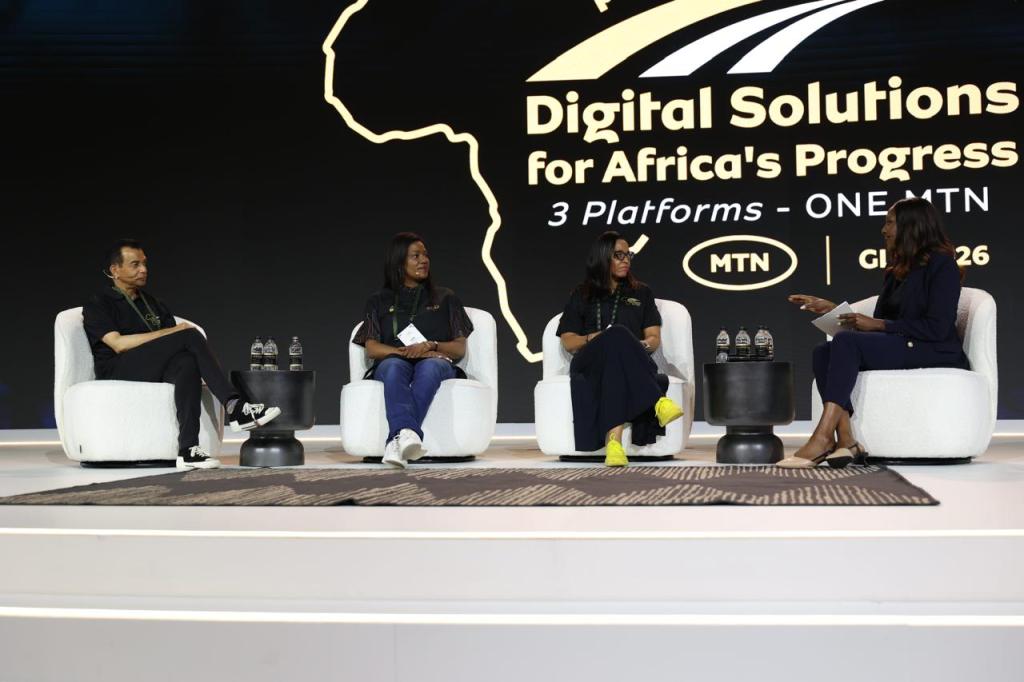
MTN Group kicked off its annual Global Leadership Gathering (GLG) – themed “3 Platforms, One MTN” – convening more than 400 senior leaders from across the Group’s markets for a three-day leadership forum running from Monday, 2 February to Wednesday, 4 February 2026.
Hosted by Group President and CEO Ralph Mupita, and his Executive Team, the GLG brings together MTN’s senior leadership at a time of rapid change across the telecommunications and digital services sector. As customer expectations rise, regulatory requirements become more exacting and technology continues to reshape how services are delivered, sustained performance increasingly depends on clear leadership alignment, disciplined execution and consistent decision-making across diverse markets.
The GLG is a focused leadership forum that enables MTN’s most senior decision-makers to align on priorities, assess performance and reinforce the standards of leadership, accountability and execution required to deliver consistently across a complex operating environment.
“Our role is to enable Africa’s progress by connecting people, businesses and communities, and by extending digital and financial inclusion in the markets we serve. That responsibility demands leaders who work as one MTN in how we set priorities, make decisions and execute with discipline and consistency,” said Mupita. He noted that the gathering provides a critical opportunity for leaders to strengthen alignment on delivery priorities and leadership accountability across the Group.
Over the three days, leaders will engage in a structured programme of leadership dialogue, facilitated discussions and expert-led sessions. The agenda is designed to support rigorous conversation on customer experience, execution discipline and leadership effectiveness, with a focus on driving consistency and quality of delivery across MTN’s footprint.
Leadership effectiveness and culture form an integral part of the gathering. The GLG reinforces MTN’s Live Y’ello culture, which provides a shared foundation for leadership behaviour, decision-making and accountability across the Group. Anchored in MTN’s purpose and values, this cultural framework supports cohesive leadership practice and strengthens organisational capability across markets.
The programme also brings an outside-in perspective through a range of global and regional voices spanning geopolitics, digital transformation, leadership and technology. Their contributions are intended to challenge perspectives, deepen shared understanding of the external environment and sharpen leadership dialogue on performance, priorities and execution across the Group.
In a sector shaped by rising expectations and rapid change, MTN’s Global Leadership Gathering underscores the Group’s focus on leadership alignment, execution discipline and organisational readiness, strengthening the conditions for consistent delivery and long-term value creation across its markets.
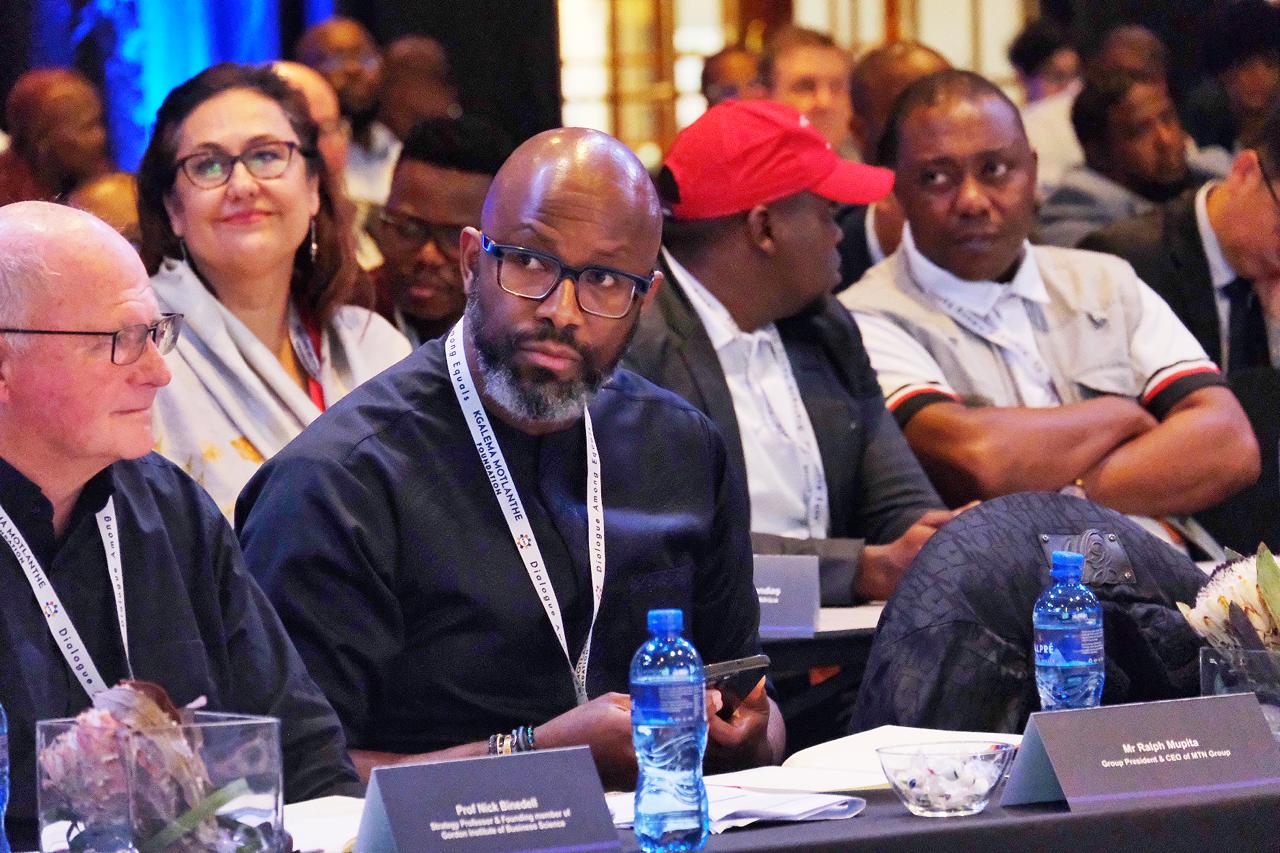
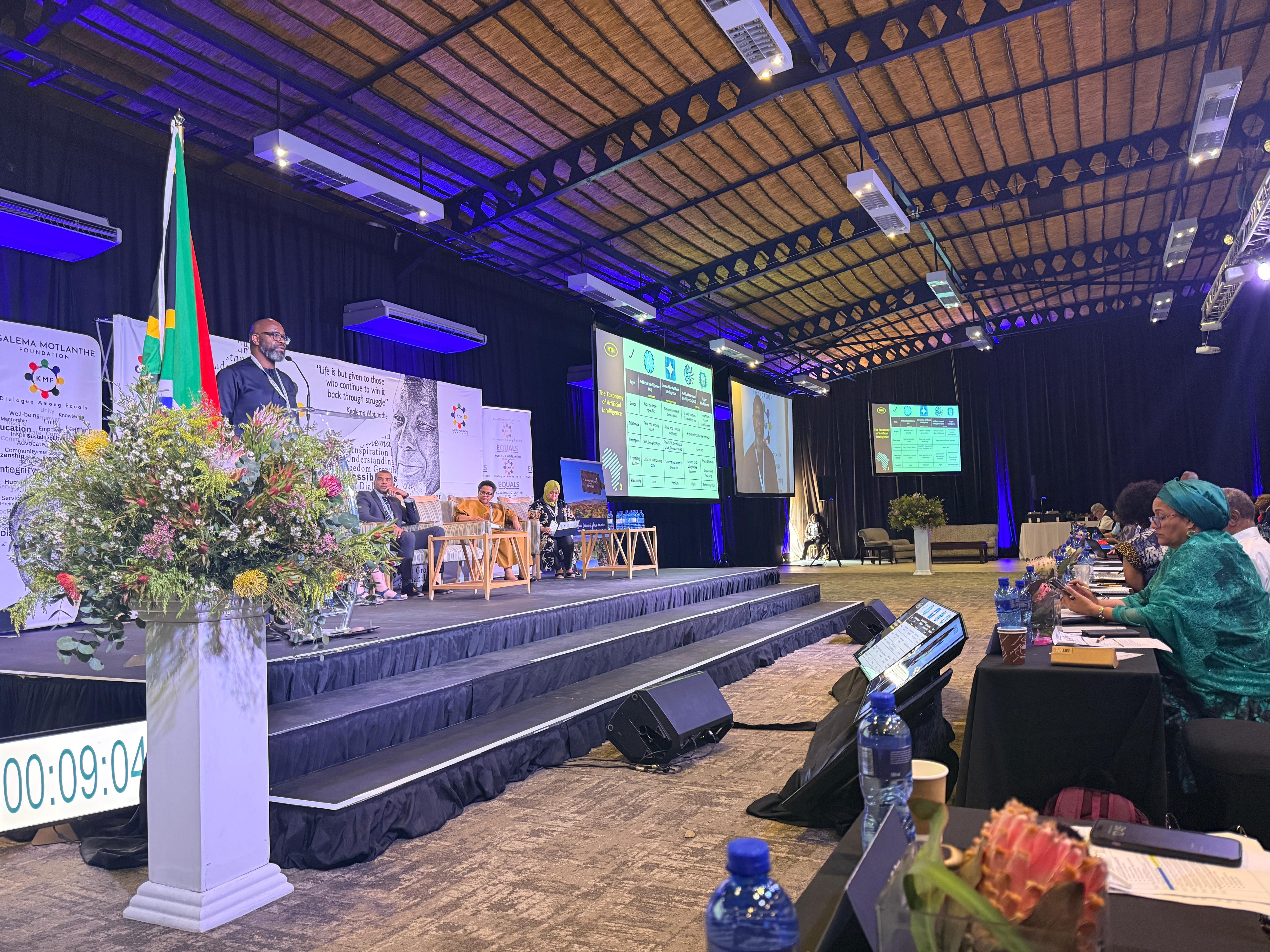
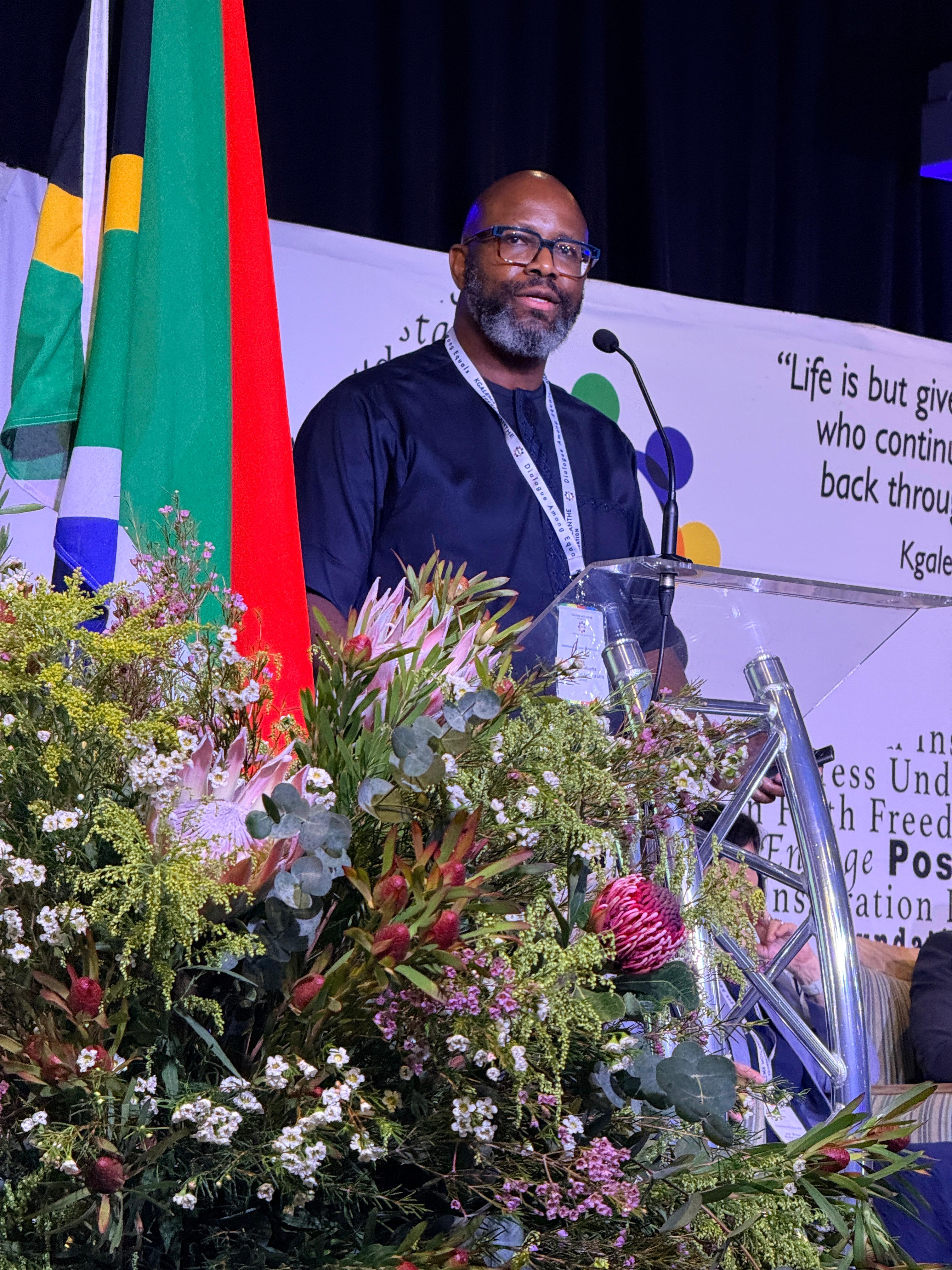
Artificial intelligence (AI) is potentially the most powerful tool for inclusive growth in Africa, but the continent is in a race against time and must act with urgency to overcome the risk of further inequality and the creation a digital underclass. This is according to the continent’s largest mobile operator MTN Group.
“We must be obsessed and paranoid about not being left behind,” MTN Group President and Chief Executive Officer Ralph Mupita told The Kgalema Motlanthe Foundation (KMF) Inclusive Growth Forum over the weekend.
He said Africa’s path to inclusive AI required speedy action on six fronts.
Firstly, AI needs more abundant electricity supplies to drive economic growth. The IEA has estimated that Africa’s energy and climate-related goals by 2030 require annual investments of more than US$200 billion. The International Monetary Fund has said that all data centres combined use as much power as some of the world’s largest economies, and data centre power demand may triple by 2030.
As Africa has less than 2% of global data centre capacity, Mupita said it needs to invest heavily in digital infrastructure, beyond investment in fibre and subsea cables. The International Telecommunication Union has said that Africa needs around US$96 billion until 2030 to plug the digital infrastructure capex gap.
Thirdly, Africa needs to speed up the development of its own large language models (LLM) to power AI-driven solutions for its 1.5 billion people. There are more than 2 000 distinct African languages and Mupita said that fewer than 2% of them are supported by mainstream LLMs.
He was building on comments he made in New York in September on the sidelines of the United Nations General Assembly, when he took up a call to action from Nigeria for MTN Group to support the collection of datasets of African languages, including funding academic research into the continent’s languages.
This followed the launch of the Nigerian Atlas for Languages & AI at Scale (N-ATLAS) – an open-source multilingual LLM designed to understand and generate Nigeria’s diverse voices and create datasets for AI solutions.
Mupita told the KMF gathering that Africa must act with urgency to develop strong digital and AI skills. “This is an opportunity to enable Africa’s rich pipeline of youth, which will make up the world’s largest workforce by 2050,” he said, adding that by 2030, there would be an estimated 230 million digital jobs in sub-Saharan Africa.
“We must ensure that new jobs and augmented jobs are greater than the jobs lost, particularly with the youth divided that Africa will have.”
Calling AI a tool to solve Africa’s unique challenges, particular in high impact sectors, Mupita said Africa needed to combine traditional AI and generative AI for the greatest value across key use cases in key sectors such as healthcare, education and agriculture.
Finally, he said if Africa was to turn its ambition into reality and create – not merely consume – AI, partnerships were essential. “To give African AI initiatives scale and joint success, governments, the private sector and civil society must partner on policy, data governance and skills development. And we must do this without delay.”
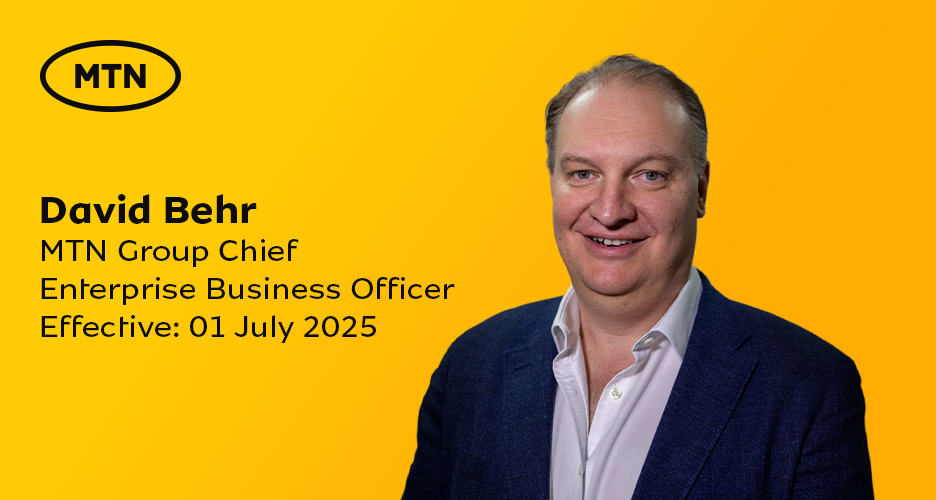
MTN Group is pleased to announce the appointment of David Behr as Group Chief Enterprise Business Officer, reporting to the MTN Group Chief Commercial Officer, effective 1 July 2025. In this role, David will lead the Group’s integrated Enterprise Business function, following the recent consolidation of Converged Solutions and the Group Enterprise Business Unit into a single, streamlined structure.
This development follows strategic work initiated earlier this year to streamline MTN’s commercial operations. The integration forms part of the Group’s broader ambition to drive Commercial Excellence by improving alignment across Go-To-Market channels and strengthening synergies across functions. It positions MTN to more effectively deliver comprehensive, end-to-end enterprise solutions, while expanding its capabilities as a systems integrator and provider of managed services.
Commenting on the appointment, Selorm Adadevoh, MTN Group Chief Commercial Officer, said: “We are excited to welcome David to this new role as we continue to transform our enterprise business for the future. With his experience and leadership, we are confident that MTN will be better positioned to deliver integrated, next-generation solutions that enable Africa’s progress.”
As Group Chief Enterprise Business Officer, David will oversee the growth and execution of MTN’s enterprise strategy, including voice and data services and next-generation solutions such as Internet of Things (IoT), Cyber Security, Unified Communications, and Cloud.
David brings over two decades of leadership experience in telecommunications and technology, having held senior roles across multiple geographies. Prior to this appointment, he served as CEO of MTN Converged Solutions, where he led portfolio transformation across key markets. His career also includes leadership roles as CEO of Liquid C2 and Cloudmania, as well as Group Chief Product Officer and Group Chief Digital Officer of Liquid Telecommunications.
He holds a Master of Business Administration (MBA) from Harvard Business School and a Master of Engineering from the University of Bristol.
This appointment reflects MTN’s ongoing commitment to fostering Africa’s progress through technology, innovation, and inclusive growth.

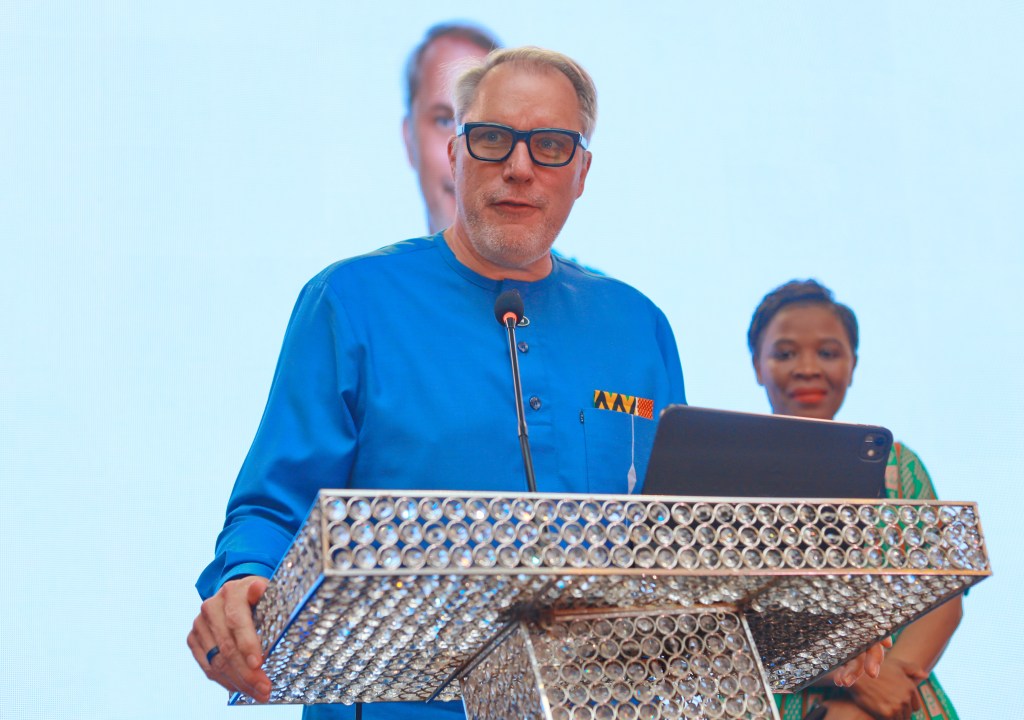
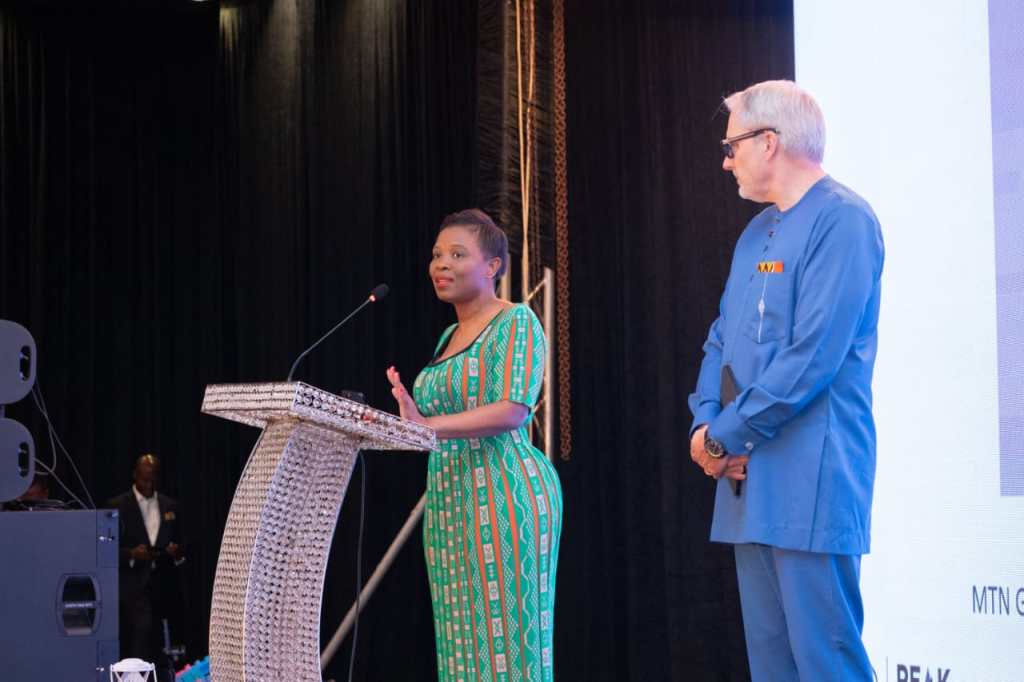
Accra, Ghana, June 22, 2025 – Demonstrating its commitment to advancing Africa’s development, MTN Group supported the 2025 Economic Governance School training for public officials from Ghana, South Africa and Kenya held in Accra last week.
The initiative, the result of collaboration between South Africa’s National School of Government (NSG), the Kenya School of Government (KSG) and the Ghana Institute of Management and Public Administration (GIMPA), is designed to strengthen senior leadership in the public sector and promote inclusive economic governance across the continent. It brings together legislatures, politicians and senior officials from all levels of the public service for a week of peer learning, policy dialogue and institutional exchange. Consequently, the delegation took time to visit the African Continental Free Trade Area (AfCFTA) Secretariat, which is charged with coordinating the creation of a single continental market for goods and services across Africa.
“As a pan-African business, we understand that Africa’s growth depends not only on investment in infrastructure, but also in people and institutions,” said Nompilo Morafo, MTN Group Chief Sustainability and Corporate Affairs Officer.
Since the training took place during MTN Group’s flagship 21 Days of Y’ello Care, the delegation also visited the MTN Ghana supported Opportunities Industrialisation Centre (OICG), which provides vocational, digital and entrepreneurial skills training for young people to enable them to earn a decent and dignified living.
“At MTN, we believe that everyone deserves the benefits of a modern connected life; therefore, in our view, education, training and strong institutions form the foundation for sustained progress. Also, when civil servants, policymakers and administrators are equipped with high-quality training, their collective decisions shape a more equitable, innovative and resilient future for their nations.”
MTN’s involvement reflects its broader approach to driving Africa’s progress through investment in leadership and institutional capacity. In addition to sponsoring the NSG, KSG and GIMPA programme, the Group contributed to the discourse, with senior executives participating in sessions focused on telecommunications, digital transformation, artificial intelligence and infrastructure financing.
MTN Ghana CEO Stephen Blewett and CIO Bernard Acquah joined Morafo in engaging on panels that explored the intersection of technology and governance. Discussions focused on the digital transformation of public services and the role of AI and infrastructure investment in supporting state capacity and economic inclusion.
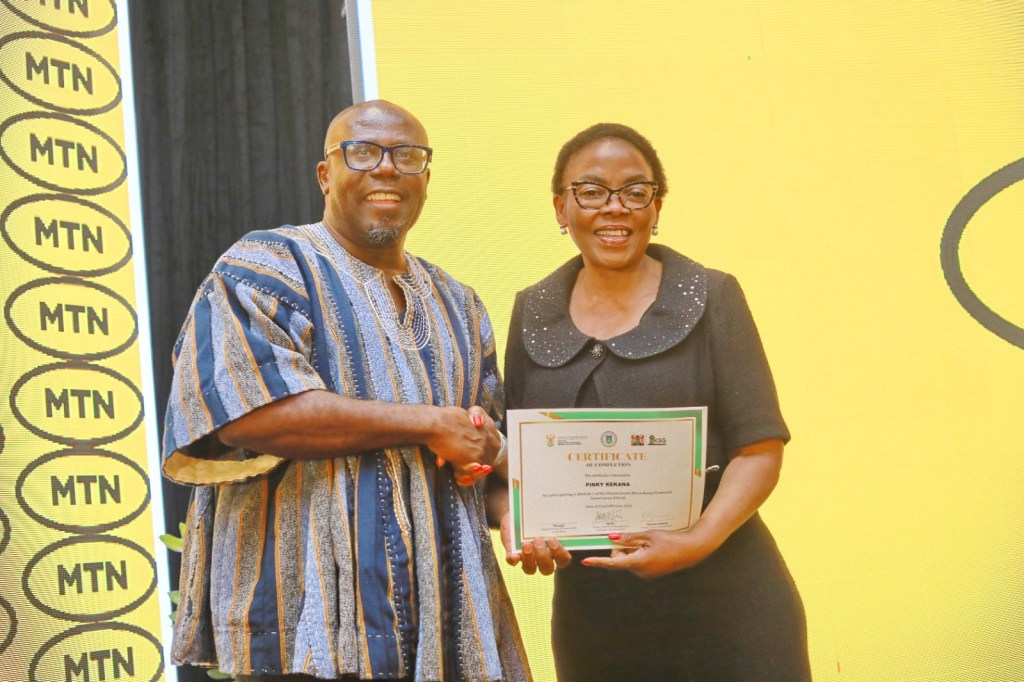
South Africa’s Deputy Minister of Public Service and Administration Ms. Pinky Kekana, described the initiative as a valuable platform for engagement on governance challenges, saying: “The Economic Governance School offers a unique platform for elected and appointed public leaders to engage in critical analysis and reflective dialogue on the complex challenges confronting governance.”
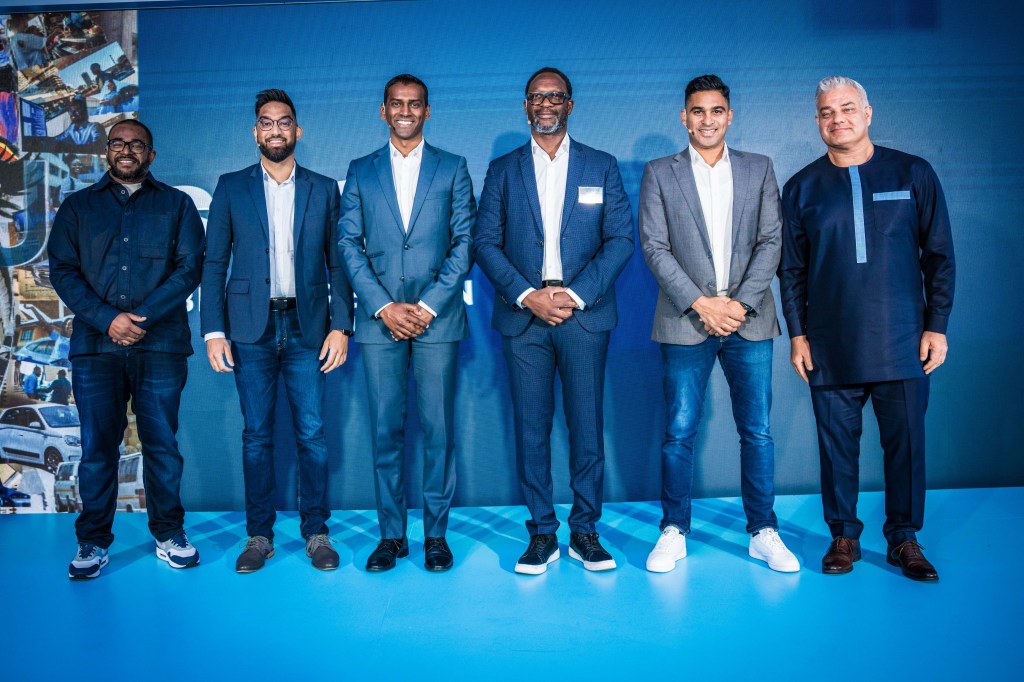
Director of GIMPA, Prof. Samuel Kwadwo Bonsu, welcomed MTN’s contribution and the cross-sector collaboration underpinning the programme: “We are proud as GIMPA to serve, not only as a centre of learning but as a convening ground for critical reflection and collaboration.”
MTN and its digital platform business, Chenosis, in partnership with TransUnion Africa, has launched TransUnion Telco Data Score, a first-of-its-kind credit scoring solution that uses mobile phone call data records to help millions of South Africans with limited or no formal credit history gain access to financial services.
This alternative data scoring model leverages Call Data Records (CDR), which reflect patterns in mobile phone network usage behaviour and correlates it to an individual’s financial behaviour. By using telco data as a proxy for financial reliability, the TransUnion Telco Data Score enables lenders to accurately assess New-to-Credit (NTC) consumers and expand access to safe, affordable credit.
Helping the Financially Excluded
According to TransUnion estimates, over 1.4 million credit-invisible South Africans open new credit accounts each year, contributing to more than four million new accounts over the past three years. Yet traditional scoring models often fail to assess this segment accurately, leaving more than 16 million adults outside the formal credit system.
Approximately 35% of New-to-Credit consumers are under the age of 25, many of whom are new to the workforce and often use credit to buy clothing for work, highlighting the need for innovative tools that support younger, digitally active individuals who may lack a conventional credit footprint. Successfully integrating these and other excluded consumers into the economy could add approximately R173 billion1 to South Africa’s GDP.
“With over 500 million2 people across the continent excluded from formal financial systems, the scale of the challenge is undeniable. Traditional data models fail to reflect the realities of African consumers, leaving millions without access to credit and the opportunities it enables. Financial inclusion isn’t just part of our mission, it’s our mandate,” said Lee Naik, CEO of TransUnion Africa.
“That’s why we believe the only way forward is to think differently, to lead with bold, African-born solutions. Innovations like TransUnion Telco Data Score, designed for Africa, by Africa, are helping us responsibly harness mobile data at scale. In doing so, we’re not only expanding access to credit, but we’re also unlocking economic potential, accelerating inclusive growth, and reshaping the future of finance across the continent.”
Creating Opportunity with Consent and Compliance
The use of CDR data is subject to explicit consumer consent and is managed in compliance with South Africa’s Protection of Personal Information Act (POPIA). MTN is responsible for consent management and will ensure that Chenosis, MTN’s API marketplace, facilitates the connection between MTN’s data ecosystem and partners like TransUnion in a secure and scalable manner.
“This partnership demonstrates how mobile technology and secure data sharing can support positive change in the financial sector and unlock new opportunities for millions of South Africans,” said Selorm Adadevoh, Group Chief Commercial Officer, MTN Group. “We are committed to ensuring that data is used responsibly, with the customer’s interests at the forefront. This is a model of what responsible innovation can look like.”
Empowering Lenders and Growing the Economy
For lenders, the TransUnion Telco Data Score has demonstrated a 25–35% improvement in predictive performance over previous alternative data models, based on recent pre-launch validations across the retail and banking sectors.
By adopting TransUnion Telco Data Score, lenders can better predict user behaviour and support responsible lending by ensuring that credit users at risk of default are not overexposed and can be effectively supported throughout their credit journey.
Importantly, the product also helps New-to-Credit consumers establish and build their credit footprint over time. According to TransUnion data, low-risk individuals significantly increase their credit exposure within 18 months of becoming credit active, underscoring the long-term benefits of responsible financial inclusion strategies.
“With Chenosis, we enable collaboration between mobile operators and solution providers while maintaining high security and compliance standards,” said Waseem Amra, GM – Products and Platforms. “This partnership highlights how secure data access can support innovation in financial services that can transform lives.”
This partnership between Transunion Africa, MTN, and Chenosis reflects the growing trend of using diverse data sources to create more accurate and inclusive financial access. Integrating mobile network insights into credit scoring provides a practical and scalable way to reach more individuals, while maintaining high standards of privacy and compliance.
“With this inclusive innovation, TransUnion has taken the lead in creating an impactful solution to one of the continent’s most pressing challenges – finding responsible pathways to greater financial inclusion that will unlock opportunities for individual and national growth. By turning mobile data into meaningful opportunity, we have set the standard in making transformation possible by showing how technology can be used in groundbreaking alternative ways. Together with MTN and Chenosis, we are building a future where every South African, regardless of their financial history, has the chance to be seen, to be trusted, and to thrive,” Naik concluded. “When financial institutions can measure risk more effectively, they can lend more confidently, and more consumers can access opportunity, and that’s a win for everyone.”
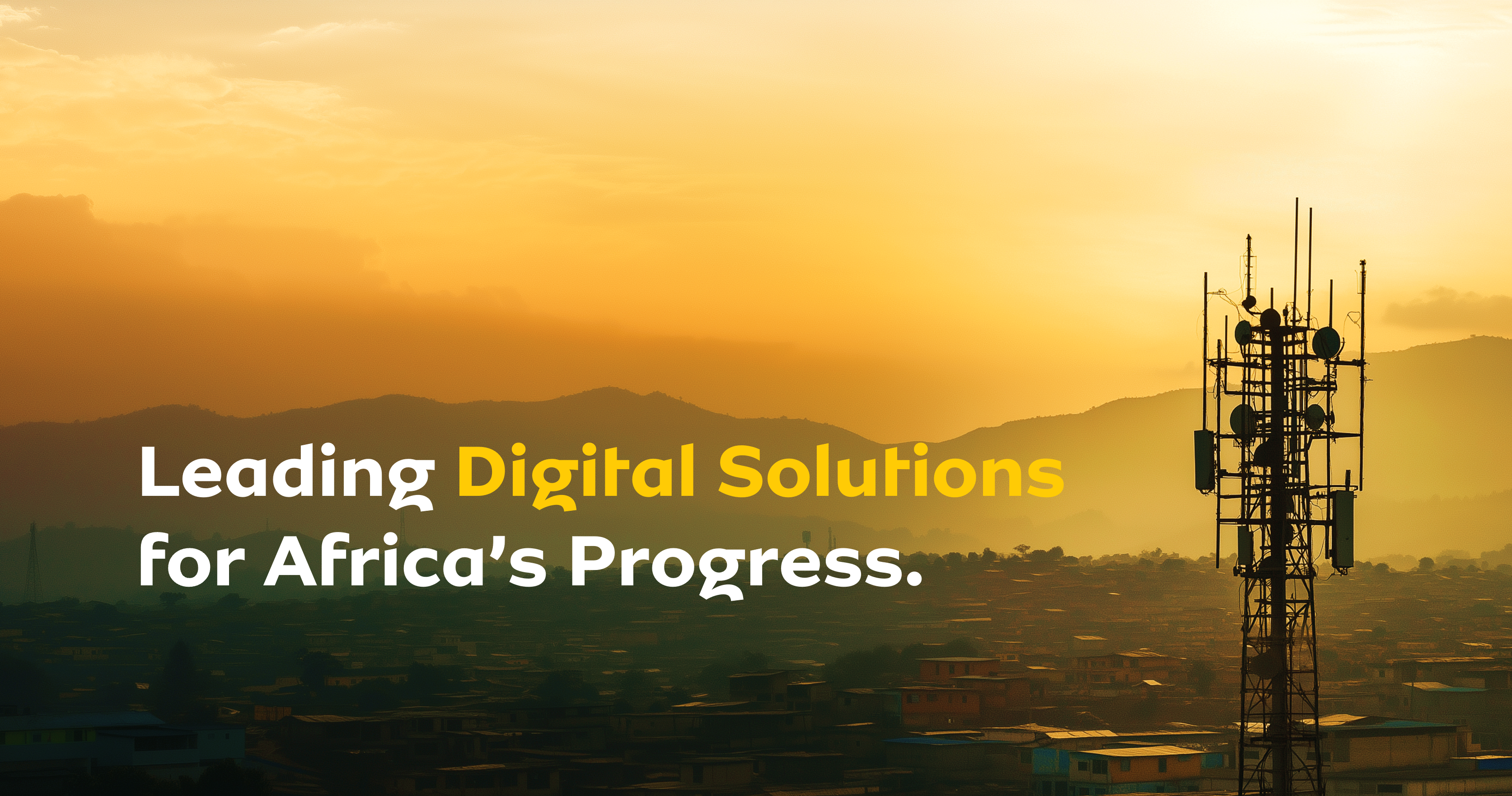
Connectivity is more than technology; it’s about opportunity, making digital inclusion a critical catalyst for the continent’s socioeconomic growth.
When people ask what progress looks like, I typically point to a classroom in rural Uganda that has digital access for the first time. Or to an entrepreneur in Cameroon using MTN’s mobile money platform, MoMo, to run her business. Or a solar-powered site in Ghana, connecting people in places that have no hard infrastructure.
For us at MTN, this is our work. It’s how we live our purpose: enabling the benefits of a modern connected life for everyone across our markets.
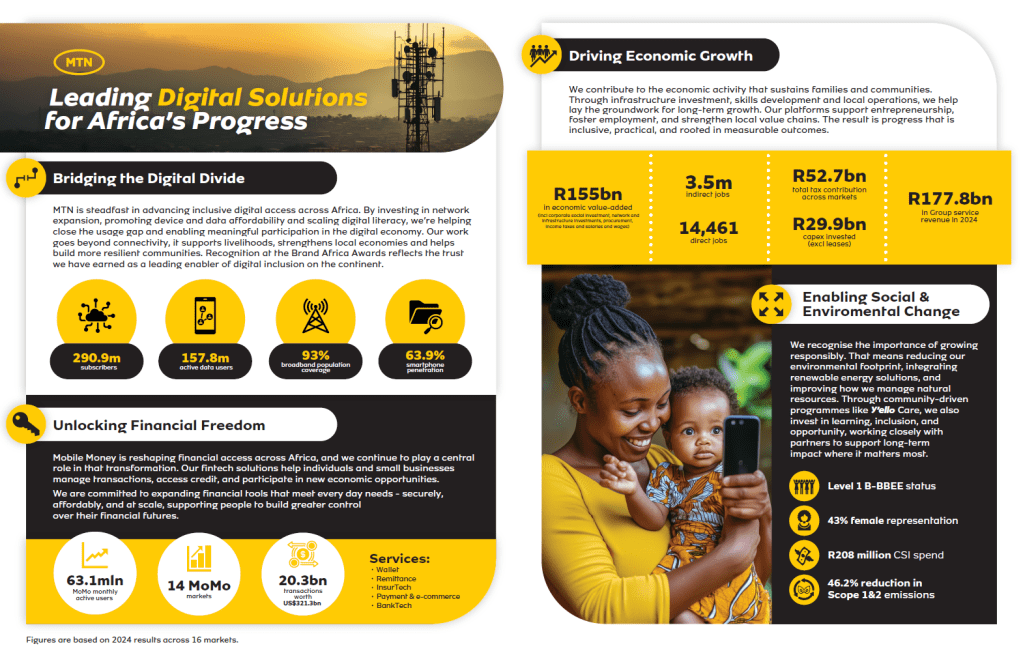
It is the framework that guides how we invest, partner, innovate, and govern our business. In 2024, we invested nearly R30bn in infrastructure and technology and paid income taxes of more than R10bn. These contributions matter. But it’s what they enable — such as jobs and opportunities — that defines us.
In 2024, we powered digital connectivity for 291-million people, including internet access for 158-million users and financial services for 63-million through MoMo.
About 93% of the population in our markets — or 500-million people — are now covered by our broadband network. We facilitated digital literacy for 22-million people, promoting meaningful participation in the digital economy. Through our GSM network and MoMo businesses, we supported 3.5-million indirect jobs.
Since its inception in 2007, our group-wide employee volunteerism programme — 21 Days of Y’ello Care — sees MTNers roll up their sleeves to improve the lives of their communities. Over the years, we have impacted hundreds of thousands of people. The campaign is testament to the power of collective action, reminding us that even small acts of kindness can create a ripple effect of change.
Progress is never a solo effort. It requires collaboration across public and private sectors, across borders and disciplines. Whether it’s partnering with governments to expand coverage, working with innovators to extend digital finance, or engaging civil society to deepen inclusion, we know the best results come when we listen and co-create.
Keeping consumer experiences safe is part of the responsibility we carry. We know that trust is earned and we remain focused on building resilience, protecting digital human rights, and responding transparently when challenges arise. We carry this responsibility with humility and determination. And it’s the lens through which we will continue to serve and invest.
Amid the current significant geopolitical shifts and technological developments, it’s clear that Africa needs to chart and champion its own growth and progress. If it doesn’t, there is a real risk that the continent gets left behind. Embracing technologies such as 5G, non-terrestrial networks and generative AI will be key drivers of future progress and socioeconomic development.
At MTN, we believe that there are some foundational policy positions that will be critical for technology to meaningfully drive more inclusive growth. These include:
- A conducive policy and regulatory environment to accelerate investment in digital infrastructure.
- Sufficient spectrum resources to meet surging demand for data services.
- A fair and transparent regulatory regime for terrestrial networks, non-terrestrial networks and OTT services.
- Competition policy to enable market consolidation given the sector’s significant investment requirements.
- Fiscal policy reforms to make further progress on digital and financial inclusion, such as the reduction in import duties on smartphones and the removal of levies on mobile money transactions.
- Investment in critical infrastructure, including reliable grid power.
- Digital skills development to advance the development of the digital economy.
These foundational policy positions, consistently adopted across the continent, have the power to drive structural growth of the digital economy of Africa, and realise the continent’s full potential as we look to achieve the goals of the AU Agenda 2063 and beyond.
By Ralph Mupita, MTN Group President & CEO