













Tag: Financial Results
Africa’s digital future will be shaped by the young people who have the opportunity to participate in it. As technology rapidly transforms industries and redefines the future of work, access to digital skills has become more than an education imperative – it’s an economic necessity.
As an organisation leading digital solutions for Africa’s progress, MTN believes expanding access to digital skills is fundamentally about expanding access to opportunity.
World Youth Skills Day, observed annually on 15 July, provides an opportunity to reflect on how digital inclusion, skills development and strategic partnerships are enabling more young Africans to participate meaningfully in the continent’s growing digital economy.
For MTN, investing in digital skills is not simply about preparing young people for the jobs of tomorrow. It is about empowering them to become entrepreneurs, innovators, creators and problem-solvers who will shape Africa’s future and drive sustainable progress across the continent.
“Africa’s future will be shaped by the ambitions and capabilities of its young people. At MTN, we believe that digital skills are the foundation, but opportunity is the true destination,” says Nompilo Morafo, Chief Sustainability and Corporate Affairs Officer, MTN Group. “Our responsibility is not only to equip youth with future-ready skills, but to help create pathways to employment, entrepreneurship and innovation that enable them to participate meaningfully in Africa’s digital economy.”
Unlocking Africa’s competitive advantage
Africa’s greatest competitive advantage lies in its young and rapidly growing population. Realising this potential requires more than just connectivity or access to technology. Young people require future-ready skills and access to opportunities that enable them to compete globally while driving innovation and growth within their communities.
The urgency is clear. Sub-Saharan Africa’s population is projected to grow by around 150 million people over the next five years. At the same time, the World Economic Forum’s Future of Jobs Report 2025 estimates that around 40% of today’s skills are becoming outdated, while approximately 22% of jobs are expected to change by 2030 as technology continues to reshape industries.
Preparing youth for this future demands more than digital literacy. It requires practical, industry-relevant skills that can translate into meaningful employment, entrepreneurship and long-term economic participation.
MTN, through the MTN Skills Academy and a growing portfolio of initiatives across our markets, is helping to build those pathways by connecting learning with opportunity.
Turning ambition into action
Across our markets, this ambition comes to life in different ways. While every community faces unique challenges, the objective remains the same: removing barriers that prevent young people from participating in Africa’s digital economy.
South Sudan
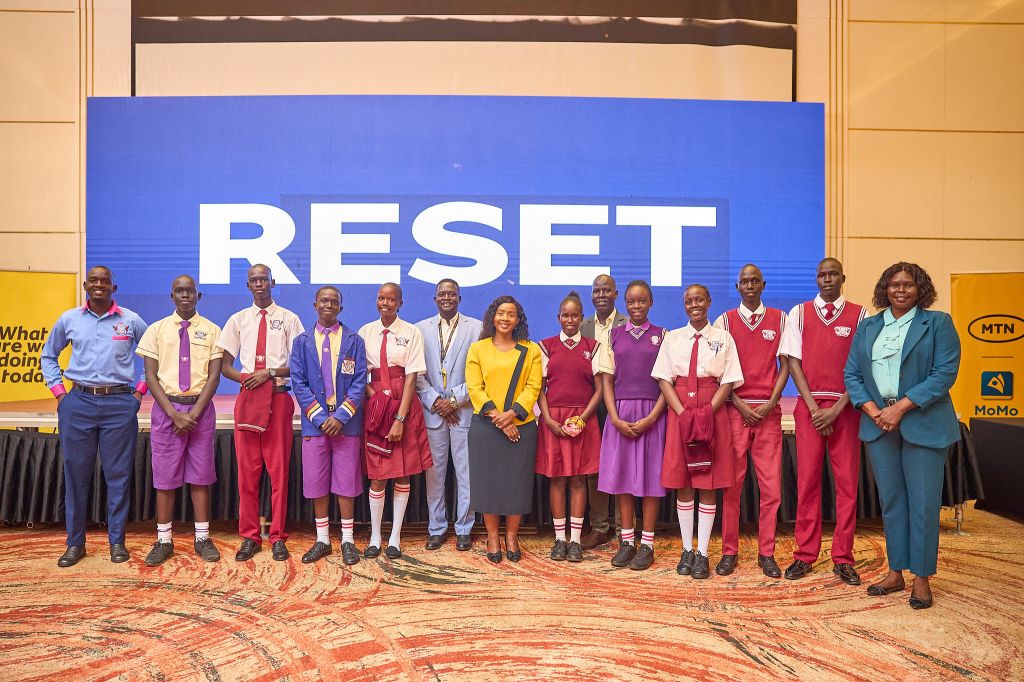
In South Sudan, MTN has partnered with the Ministry of General Education and Instruction, the Ministry of ICT and Postal Services, and the non-profit organisation Educare South Sudan to launch the zero-rated Junub Academy National E-Learning Platform.
Recognised by Educare South Sudan for expanding access to education, the platform enables teachers and learners across the country to access approved educational content without incurring data charges. This helps remove one of the biggest barriers to digital learning while supporting continuity of education in underserved communities.
The initiative is particularly significant given South Sudan’s longstanding infrastructure and education access challenges, demonstrating how digital connectivity can help bridge educational gaps.
Congo Brazzaville
In Congo Brazzaville, MTN has embraced the rapid rise of artificial intelligence (AI) by investing in young innovators developing solutions to Africa’s unique challenges.
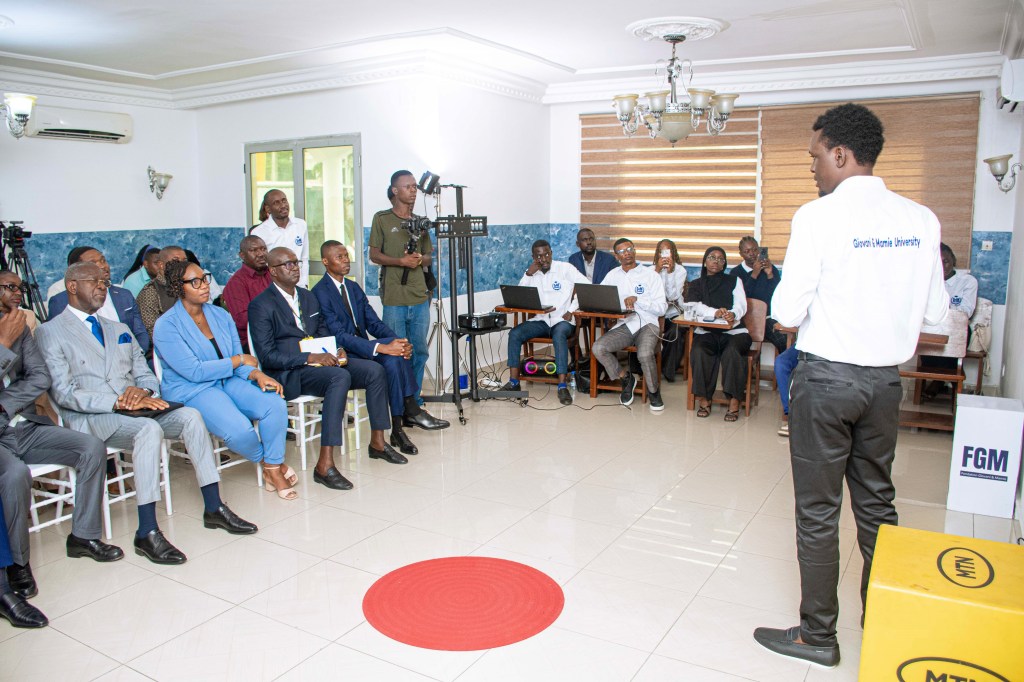
Together with the Giovani & Mamie Foundation and BantuHub, MTN hosted GMU Tech Week 2026 in Pointe-Noire, a week-long programme designed to transform youth potential into future technology leadership.
Over five days, more than 200 participants moved beyond simply learning about emerging technologies. They engaged with industry experts, explored future-focused career opportunities and developed ideas capable of creating meaningful impact within their communities.
Côte d’Ivoire
In Côte d’Ivoire, MTN is demonstrating that digital inclusion must be accessible to everyone.
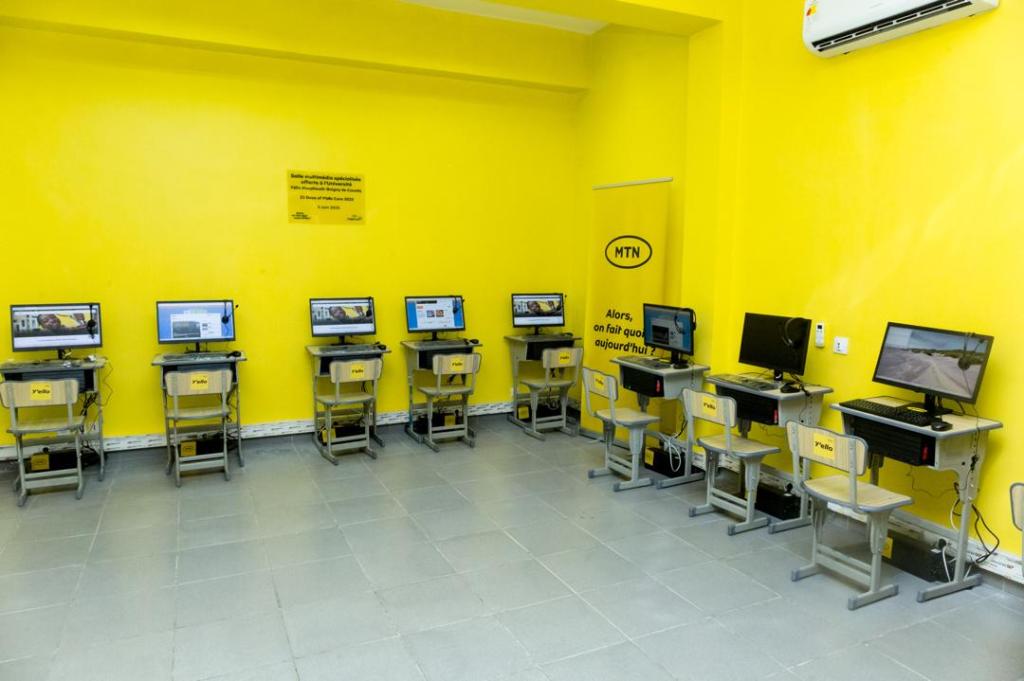
Through a partnership with the National Institute for the Promotion of the Blind (INIPA), MTN established a Braille multimedia room equipped with adapted computers and assistive technologies.
The facility enables visually impaired students to access educational resources, strengthen their digital capabilities and learn more independently, ensuring that disability is not a barrier to opportunity.
Benin
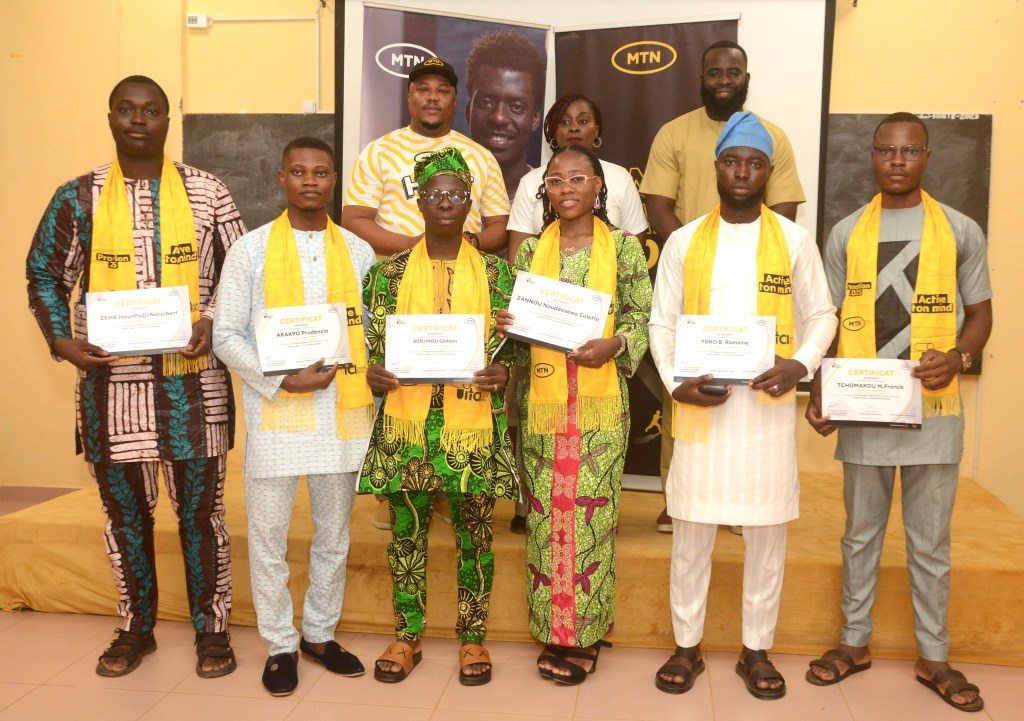
In Benin, MTN is creating stronger pathways between digital learning and employability through its flagship TITA Digital Skills programme.
Launched by the MTN Foundation in 2022 in partnership with Digital Valley and public universities, the initiative equips students and young graduates with practical, industry-relevant skills in areas including coding, digital entrepreneurship, content creation and innovation.
The programme has already trained more than 1,000 young people, with many graduates securing opportunities across local industries, while others have begun their professional journeys within MTN Benin.
From skills to opportunity
Although these initiatives address different needs, they all contribute to the same vision: enabling young Africans to participate fully in the digital economy by creating inclusive pathways to opportunity.
Whether it is a learner accessing education without connectivity barriers, a visually impaired student gaining digital independence, or an aspiring innovator developing solutions powered by AI, each initiative creates a pathway towards greater opportunity.
Today, the MTN Skills Academy is available across 11 markets and has reached more than 350,000 learners through a growing network of training and ecosystem partners, including ICT hubs.
While building digital skills is an essential first step, the true measure of success lies in what those skills make possible. Skills must lead to employment, entrepreneurship, innovation and economic participation.
As Africa’s leading digital solutions provider, MTN is committed to creating those pathways by connecting digital skills with real opportunity. Because when young people are empowered to participate fully in the digital economy, they do more than build futures for themselves. They help drive Africa’s progress.
MTN Group President and CEO Ralph Mupita has been named as a commissioner on the AI for Good Global Commission, an initiative of the United Nations’ International Telecommunication Union charged with expanding digital access, strengthening trust and accelerating economic impact through responsible AI.
“It’s an honour to be one of the founding commissioners of the AI for Good Global Commission,” said MTN Group President and CEO Ralph Mupita. “At MTN Group we believe that the developments in AI have the potential to advance health, education, food security and industrial productivity. AI must be safe, ethical and globally inclusive. These perspectives align fully with the work of this Global Commission.”
Made up of more than 40 founding members, the Commission brings together leaders from government, business and international organisations to unlock AI’s potential. It builds on the Broadband Commission for Sustainable Development, which helped shape global priorities for extending digital inclusion and economic development.
The first meeting of the AI for Good Global Commission – which is co-chaired by Rwandan President Paul Kagame and Salesforce CEO Marc Benioff – will take place this week in Geneva, Switzerland. One of the MTN Group’s strategic priorities is to ‘leverage AI for growth’, targeting R30 billion in value-creation opportunities in the next three to five years.
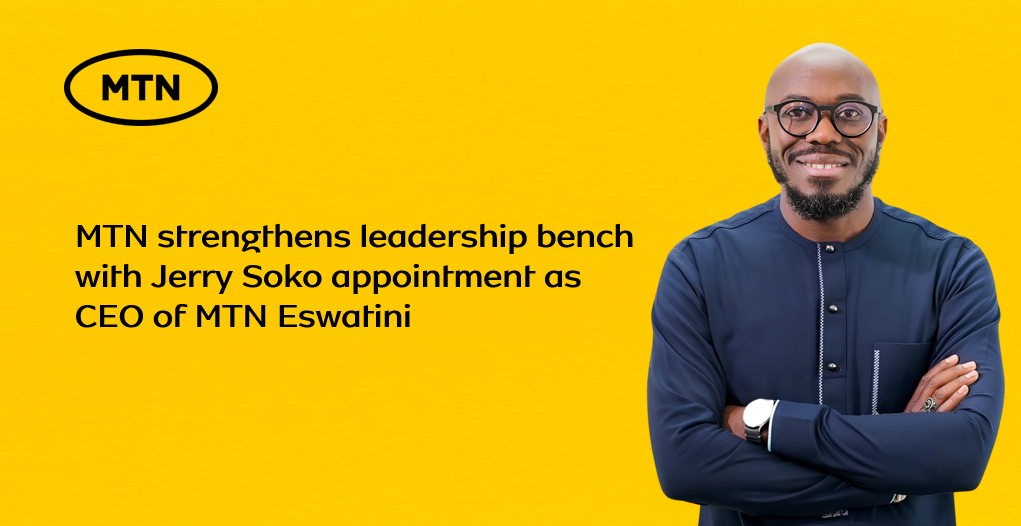
MTN Group is pleased to announce the appointment of Jerry Soko as Chief Executive Officer of MTN Eswatini, effective 1 July 2026.
The appointment builds on a series of leadership announcements in the first half of the year, reinforcing MTN’s commitment to strengthening its leadership bench as it executes on its Ambition 2030 strategy.
“Under Jerry’s leadership, MTN Eswatini has regained strong momentum, improving performance, strengthening operational discipline, and deepening customer engagement,” said Ralph Mupita, MTN Group President and CEO. “His track record, combined with his understanding of our operations, positions him well to lead MTN Eswatini into its next phase of growth.”
Jerry is a seasoned telecommunications executive and qualified accountant with more than 20 years of leadership experience across the ICT sector in Africa. He has served as Acting CEO of MTN Eswatini for the past seven months, during which time he has stabilised and repositioned the business for sustainable growth. His tenure has reinforced the company’s relevance in the market and strengthened trust with stakeholders.
Jerry has driven a focused organisational agenda anchored on network competitiveness, customer experience and disciplined execution. His leadership has prioritised network resilience and reliability while embedding a more customer-centric culture across the organisation.
He has also strengthened operational efficiency, enhanced cash management, and fostered strategic partnerships that support Eswatini’s broader digital development ambitions.
A strong advocate for people and culture, Jerry has cultivated a high-performance environment grounded in accountability, agility and collaboration, while placing emphasis on leadership development and succession planning.
Jerry brings extensive experience from across the MTN footprint, having held senior leadership roles, including CEO and CFO positions, in Zambia, South Sudan, Botswana and Rwanda. He also serves on several boards in a non-executive capacity.
As MTN continues to evolve from a connectivity provider to a platform business, leadership continuity and capability remain central to delivering on its strategic priorities of connectivity, fintech and digital infrastructure.
Jerry’s appointment underscores MTN’s commitment to developing and appointing proven leaders from within its markets, while leveraging the scale and expertise of the Group to deliver inclusive digital progress across Africa.
“I am not African because I was born in Africa, but because Africa was born in me.”
This powerful quote from Kwame Nkrumah, the first prime minister of a post-colonial African nation, reminds us of the fundamental cultural connection of being African.
At MTN, we celebrate Africa Day as a pan-African company both born on the continent and one that is inherently African.
We are a diverse group that serves a quarter of a billion customers – from families and friends to communities and business – across this vast continent we call home. We employ 15 000 people, representing 74 different nationalities and ethnicities in 19 markets. Of the 1 730 people who joined MTN and our subsidiaries in 2025, 87% were local – they were employed in the countries from which they originate.
“Our Pan-African roots run deep, and today we are humbled and proud to acknowledge these,” says MTN Group President and CEO Ralph Mupita. “Our continent has enormous potential, and we are committed to helping unlock this through our networks and platforms.”
MTN’s purpose is leading digital solutions for Africa’s progress.
“The unity of Africans is the strongest foundation off which to secure a prosperous future for Africa’s youth, who will represent the world’s largest workforce by 2040,” he says, adding that the continent has much to gain from this demographic dividend.
MTN’s three-decade history is one of significant investment in people, technology and infrastructure. We are humbled to help create opportunities and economic value. In 2025, we generated a massive R150 billion in economic value-added across our continent, where our total tax contribution was R61.1 billion – more than the GDP of some small countries.
Our capital expenditure of R38.5 billion in 2025 reflects the sustained investment in the physical and digital assets that underpin connectivity. Investing at scale helps develop durable national infrastructure, building national digital backbones. Through the distribution of dividends to the shareholders – including pension funds – of MTN Group and our subsidiaries across our markets, we unlock value for millions.
As part of our commitment to being a good corporate citizen, we also make significant corporate social investments. In 2025, these totalled R269 million, benefiting 2.3 million people, most of them youth.
We believe in the power of technology to uplift communities, empowering the next generation of African leaders. We embed local participation across employment, ownership and procurement. This includes investing in skills development and supporting the growth of local businesses, ensuring economic value is retained and multiplied within host economies.
“Our success is irrevocably tied to the progress of the nations we serve. Together, we create jobs, develop local suppliers, build digital skills and support essential services like education, healthcare and infrastructure,” says Mupita, adding that MTN’s listings on the stock markets in Nigeria, Ghana, Uganda and Rwanda are critical levers in MTN’s localisation and value-creation journey.
“We’ve made it our goal to drive digital and financial inclusion, giving the people in the communities we serve dignity, hope and opportunity. Africa needs to chart and champion her own growth. It is up to us all to unlock Africa’s boundless potential.”
Looking ahead, Africa’s future will be defined by what we choose to build together. When Africans act with greater unity, shared purpose and collective resolve, we lay the foundation for the Africa we want: more inclusive, more resilient and more prosperous.
Ours is the youngest continent on earth, and within that youthful energy lies one of our greatest opportunities. If we invest with intent in education, skills, entrepreneurship and meaningful work, we can turn this demographic reality into a lasting dividend for generations to come.
Digital technology will be one of the great catalysts of that future. By connecting more people, expanding access to financial services, education, healthcare and markets, and giving young innovators the tools to solve African challenges with African insight, technology can help unlock progress at scale.
With sustained investment in digital infrastructure, digital skills and trusted platforms, we can help build a continent that is more connected, more competitive, and full of possibility – a confident Africa, shaping its own destiny in the digital age.
We invite you to share your voice here about what Africa means to you. You can also upload a photo to generate a personalised Africa Day image to share.
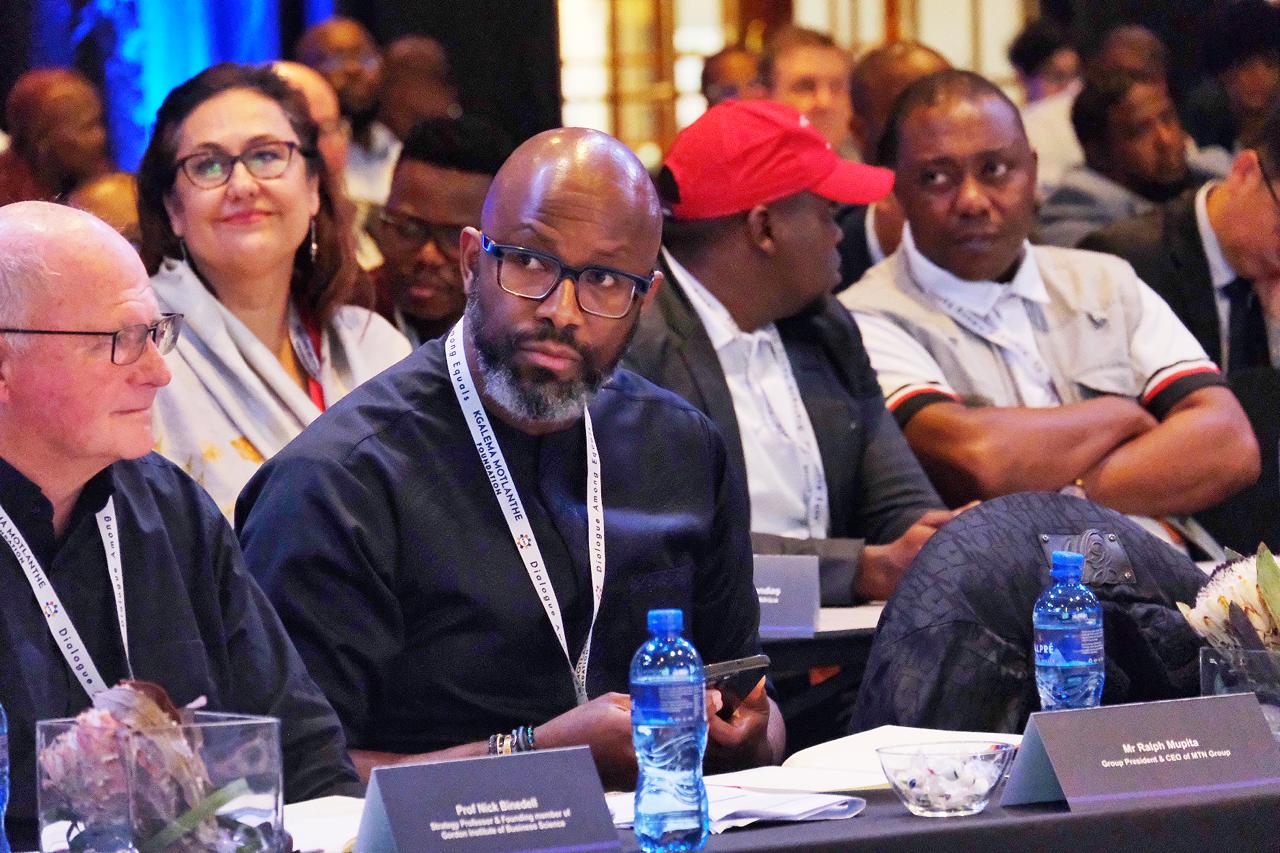
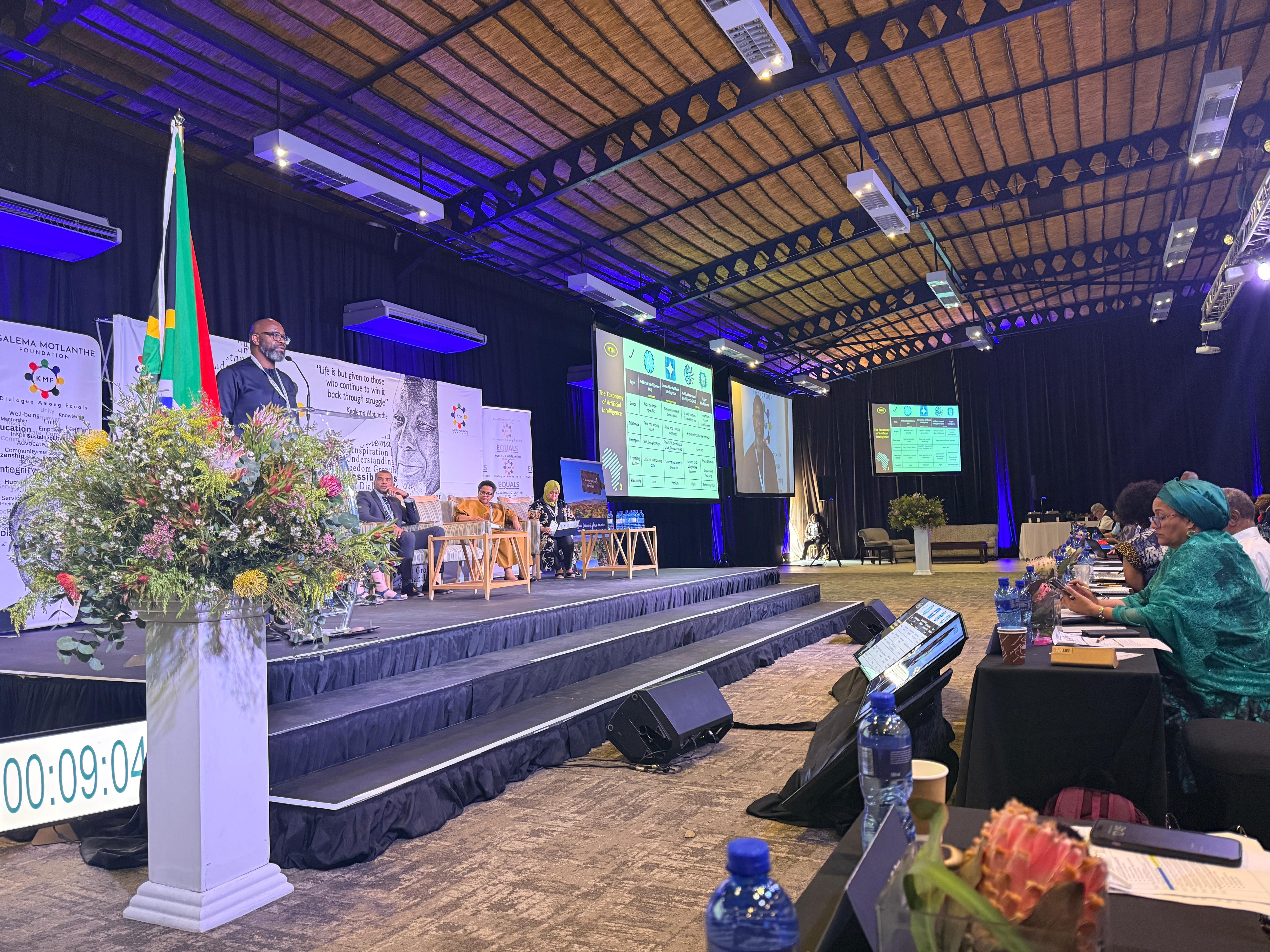
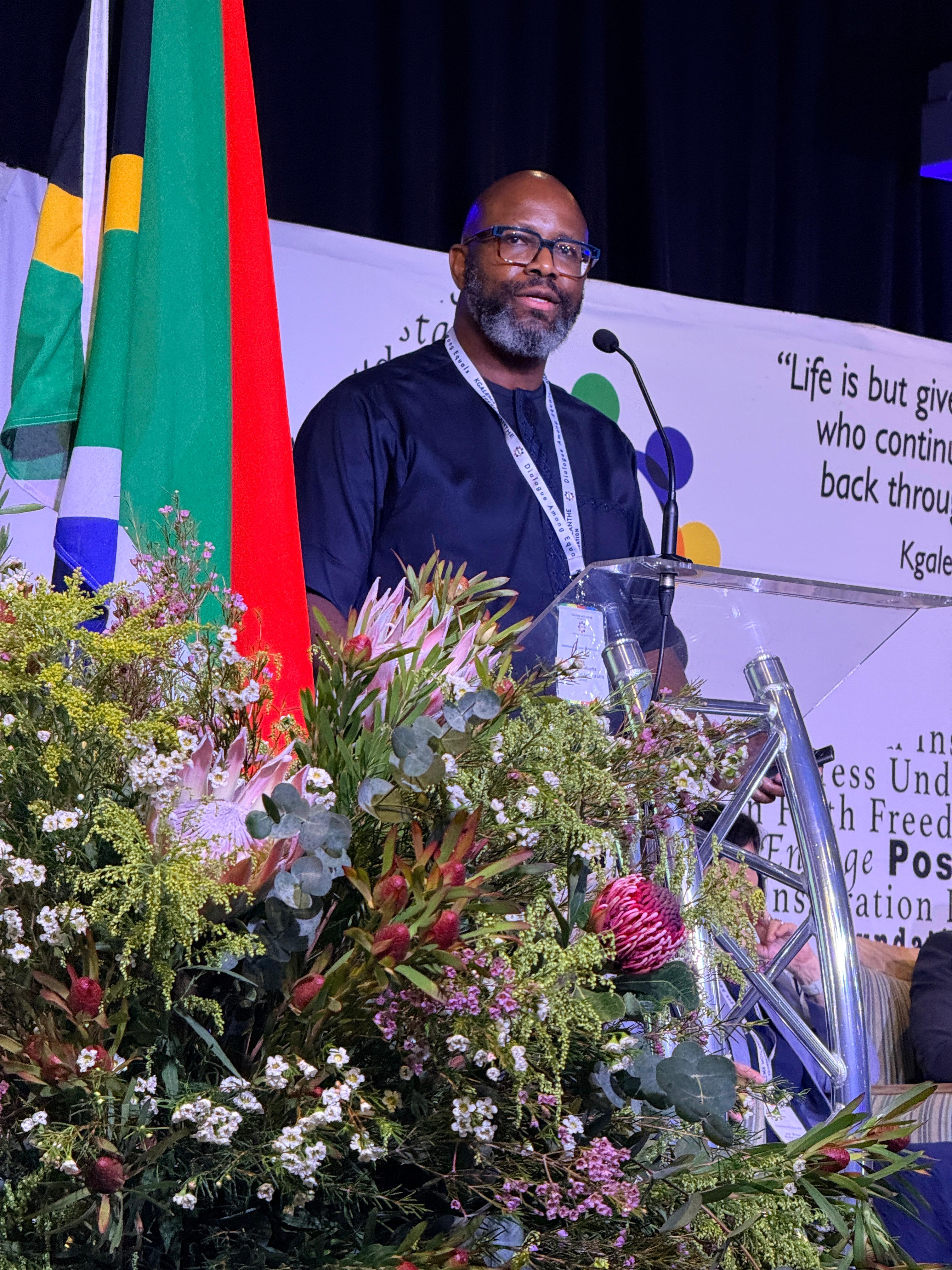
Artificial intelligence (AI) is potentially the most powerful tool for inclusive growth in Africa, but the continent is in a race against time and must act with urgency to overcome the risk of further inequality and the creation a digital underclass. This is according to the continent’s largest mobile operator MTN Group.
“We must be obsessed and paranoid about not being left behind,” MTN Group President and Chief Executive Officer Ralph Mupita told The Kgalema Motlanthe Foundation (KMF) Inclusive Growth Forum over the weekend.
He said Africa’s path to inclusive AI required speedy action on six fronts.
Firstly, AI needs more abundant electricity supplies to drive economic growth. The IEA has estimated that Africa’s energy and climate-related goals by 2030 require annual investments of more than US$200 billion. The International Monetary Fund has said that all data centres combined use as much power as some of the world’s largest economies, and data centre power demand may triple by 2030.
As Africa has less than 2% of global data centre capacity, Mupita said it needs to invest heavily in digital infrastructure, beyond investment in fibre and subsea cables. The International Telecommunication Union has said that Africa needs around US$96 billion until 2030 to plug the digital infrastructure capex gap.
Thirdly, Africa needs to speed up the development of its own large language models (LLM) to power AI-driven solutions for its 1.5 billion people. There are more than 2 000 distinct African languages and Mupita said that fewer than 2% of them are supported by mainstream LLMs.
He was building on comments he made in New York in September on the sidelines of the United Nations General Assembly, when he took up a call to action from Nigeria for MTN Group to support the collection of datasets of African languages, including funding academic research into the continent’s languages.
This followed the launch of the Nigerian Atlas for Languages & AI at Scale (N-ATLAS) – an open-source multilingual LLM designed to understand and generate Nigeria’s diverse voices and create datasets for AI solutions.
Mupita told the KMF gathering that Africa must act with urgency to develop strong digital and AI skills. “This is an opportunity to enable Africa’s rich pipeline of youth, which will make up the world’s largest workforce by 2050,” he said, adding that by 2030, there would be an estimated 230 million digital jobs in sub-Saharan Africa.
“We must ensure that new jobs and augmented jobs are greater than the jobs lost, particularly with the youth divided that Africa will have.”
Calling AI a tool to solve Africa’s unique challenges, particular in high impact sectors, Mupita said Africa needed to combine traditional AI and generative AI for the greatest value across key use cases in key sectors such as healthcare, education and agriculture.
Finally, he said if Africa was to turn its ambition into reality and create – not merely consume – AI, partnerships were essential. “To give African AI initiatives scale and joint success, governments, the private sector and civil society must partner on policy, data governance and skills development. And we must do this without delay.”

A pioneer in transformation in South Africa, MTN Group and major subsidiary MTN South Africa (MTN SA) each maintained a Level 1 Broad-Based Black Economic Empowerment (B-BBEE) contributor status in 2024.
MTN’s annual B-BBEE compliance report, compiled by an independent verification agency, underscored our efforts to drive inclusive growth and empowerment through deliberate and targeted interventions in the year.
“Our commitment to transformation and focused execution has yielded measurable successes across several elements of the B-BBEE scorecard, including notable improvements in management control, skills development and preferential procurement,” said MTN Group President and CEO Ralph Mupita.
“As a result of our recruitment and talent management strategies, we increased Black representation in management across all levels and enhanced female representation on the Board of Directors. This is part of our goal of achieving gender equity by 2030,” he added.
MTN SA CEO Charles Molapisi was pleased with the results: “At MTN South Africa, we see our Level 1 B-BBEE achievement not just as a milestone, but as a reaffirmation of our purpose to lead with impact. Transformation is deeply embedded in our DNA, it guides how we invest, how we empower, and how we connect South Africans to real opportunities. We are proud to be part of building a future where inclusive growth drives true progress, for all.”
Despite a challenging macroeconomic environment in 2024, MTN remained committed to creating an equitable environment for previously disadvantaged individuals through our skills development programmes. We invested in building STEM capabilities to help future-proof our graduates and employees, equipping them with the tools required for the digital economy. This was achieved through structured learning, on-the-job training and mentorship.
As a significant player in the sector, we recognise our responsibility to foster inclusive and sustainable economic growth, not just as a corporate entity, but as a catalyst for positive change. Small and medium-sized enterprises (SMEs) play a key role in driving economic.
In a significant move to improve the user experience, MTN Group, Africa’s leading telecommunications service provider, has partnered with Meta to enhance the quality and reliability of voice and video calls on real-time calling applications such as WhatsApp across 12 MTN markets.
By optimising application-aware networks and network-aware applications, the initiative aims to deliver a more seamless, stable, and high-quality user experience. The collaboration aims to improve real-time calling experiences across 12 markets by pinpointing areas for enhancement and executing specific interventions.
Since MWC 2024, MTN and Meta teams have been collaborating to identify key areas for improvement and implement targeted network optimizations that enhance the interaction between mobile networks and real-time calling applications while maintaining efficient traffic delivery. By harnessing data analytics and conducting comprehensive testing, they have successfully created and deployed solutions that significantly enhance the quality of experience for mobile users.
The first market to implement these enhancements is Nigeria, where early results show notable improvements in key performance indicators (KPIs), including 50% improvement, leading to a better user experience for MTN Nigeria mobile users.
“This implementation further demonstrates our commitment to enhancing our customers’ digital experience. We’re pleased with the remarkable improvement in our real-time communication services, reflecting our commitment to innovative customer solutions,” said Yahaya Ibrahim, CTO at MTN Nigeria.
“The collaboration allows us to deploy advanced solutions for an unparalleled real-time experience in Nigeria and showcases our dedication to elevating service quality and improving user experience, while striving for continued efficiency in traffic delivery,” added Diego Marí, Head of Network Ecosystems Engineering at Meta.
- Solid underlying performance with strong H2 financial results. Service revenue, earnings, cashflow and leverage all improved in the second half of the year
- Service revenue up by 14% in constant-currency terms; down 15% in reported rand terms
- MTN Nigeria service revenue up by 35.6% and expected to increase in 2025 after tariff adjustments implemented in February 2025
- MTN South Africa service revenue up by 3.1% with reported EBITDA margins strong at 37.4%
- Fintech service revenue up by 28.5%, with transaction value up by 35% in constant currency at US$321bn
- Fintech advanced services revenue (including banktech, remittance, payments) up 52%
- Group medium-term guidance maintained as 2025 starts on a strong footing
- Dividend at 345cps increased on positive second half momentum in earnings, free cash flow and leverage. The MTN Board anticipates paying a minimum ordinary dividend of 370cps for the 2025 financial year
MTN Group on Monday reported a solid underlying operational and financial performance for 2024 – and a particularly strong second half. This strong performance was affected by a sharp drop in the value of the currency of one of our largest markets, Nigeria; and impairments in conflict-hit Sudan
This meant that even though the Group’s service revenue and earnings before interest, tax and amortisation (EBITDA) in constant-currency terms grew by around 14% and 10% respectively, they were negatively affected in reported rand terms.
In the year to 31 December 2024, service revenue of R178 billion was down by some 15% in reported terms, and reported EBITDA (before once-off items) of R60 billion was a third lower than it was in 2023. Basic earnings per share swung by 758 cents in 2024 to a loss of 531 cents.
Adjusted headline earnings per share (HEPS) decreased by 32% to 816 cents, impacted mainly by the sharp devaluation in the naira. With a relatively more stable naira in the second half of 2024 and stronger results from MTN South Africa, second half adjusted HEPS showed strong momentum.
The Board of Directors declared a dividend of 345 cents a share (up from 330 cents in 2023) as the Group reported strong commercial momentum and maintained its guidance over the medium term. The Board, further, anticipates paying a minimum ordinary dividend of 370cps for the 2025 financial year.
We serve 291 million subscribers in 16 markets and progressed key strategic priorities and sustained a healthy financial position as well as balance sheet flexibility in 2024.
“Alongside execution of our commercial strategies, our continued capital investment of R30 billion to strengthen the quality and capacity of our networks enabled us to capture the opportunities in data and fintech across our markets,” said Group President and CEO Ralph Mupita, adding that data traffic accelerated by a third, as data subscribers grew by 8% to 158 million active users.
The volume of fintech transactions on MTN’s networks rose by 15% to more than 20 billion valued at over US$320 billion, while the number of active Mobile Money (MoMo) users rose by just less than 1% to 63 million, slowed by initiatives in key fintech markets to enhance the quality, stickiness and profitability of our overall fintech ecosystem.
Data revenue decreased by 12% on a reported basis, but increased by almost 22% in constant-currency terms. Fintech revenue increased by 11% on a reported basis, but by almost 29% in constant currency. As part of our expense efficiency programme (EEP), we realised sustainable savings of R3.8 billion in 2024.
Performance was underpinned by adhering to disciplined capital allocation as well as expense efficiencies. We are well on track to achieve our EEP target of R7-8 billion between 2024 and 2026.
MTN South Africa sustained a resilient overall performance, with service revenue growth of 3.1% to R43.2 billion for the year, underpinned by improved network availability and commercial initiatives. In the latter part of the year, the business delivered some encouraging acceleration in key commercial metrics, with prepaid data revenue returning to growth from November.
MTN Group advanced the execution of our key strategic initiatives in the year. These included the signing of definitive agreements with Mastercard for a minority investment into the Group Fintech structure, as well as the disposal of MTN Afghanistan, MTN Guinea-Bissau and MTN Guinea-Conakry, which further enhanced the Group’s focus and risk profile.
In Nigeria, we renegotiated tower lease contracts, which allow MTN Nigeria to better manage adverse macroeconomic impacts on the business. In Ghana and Uganda, we increased local ownership in our operations. In South Africa, we extended the MTN Zakhele Futhi broad-based black economic empowerment transaction.
“This underscores our dedication to transformation and creating shared value and remains integral to our future success,” Mupita said of the Group that celebrated 30 years of operations in 2024.
Other shared value wins included further reductions in the Group’s Scope 1 and 2 emissions as well as widening access to broadband internet access to cover 93% of the population in our markets. Advancing broadband in rural and remote areas is critical to our work to extend digital and financial inclusion across Africa.
In terms of our economic value-added to the communities we serve, MTN contributed approximately R155 billion in the year, including around R206 million in corporate social investment programmes across our host nations.
Looking ahead, Mupita said although there remained some macroeconomic and geopolitical uncertainties in the near term, he was encouraged by trends in various indicators. These included inflation (which showed signs of abating in the second half of 2024), reduced forex volatility (particularly of the naira), as well as the tariff adjustments in Nigeria which we started to implement in February 2025. These prompted MTN Nigeria to re-instate its medium-term guidance.
“MTN Group is well positioned to capture the exciting opportunities in our markets and deliver on our medium-term objectives to sustain growth, create shared value in nation states and communities, and unlock value for our stakeholders,” he said.
SENS: https://irhosted.profiledata.co.za/mtngroup/2019_feeds/SensPopUp.aspx?id=507535
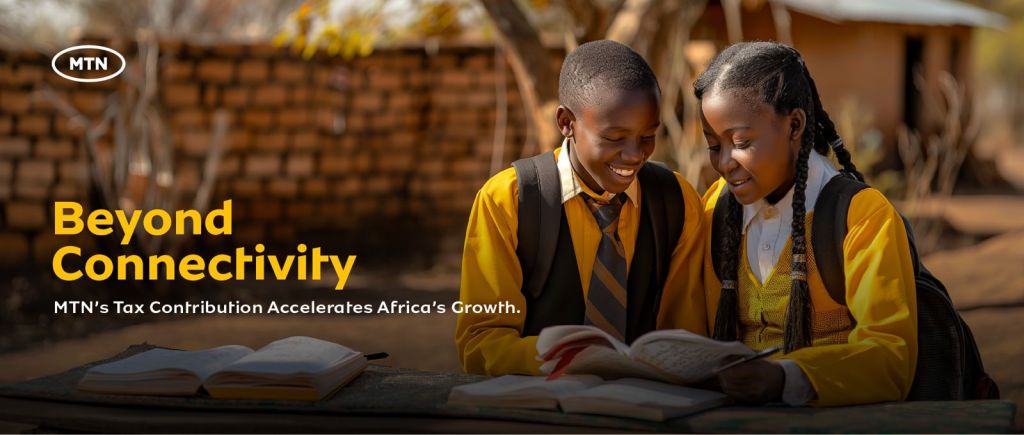
MTN Group’s commitment to shared value in Africa extends beyond providing essential connectivity. In 2023, our total tax contribution to governments across all markets increased by more than 12% to R61.7 billion. This figure encompasses the direct corporate taxes we pay, indirect taxes, operating licence fees, payroll taxes, property rates, dividend taxes and withholding taxes.
“Our total tax contribution is equivalent to the cost of building more than 500 high-quality schools,” notes MTN Group Chief Financial Officer Tsholo Molefe, adding that governments across our markets could use our total tax contribution (TTC) to invest in infrastructure, education, healthcare and a wide range of other public services.
“Our commitment to paying our fair share of taxes supports the positive relationships we have with governments and communities; it also promotes stability and predictability in the business environment,” said Molefe, adding: “This not only attracts foreign investment but also creates new job opportunities, further stimulating economic growth across the continent.”
To maintain transparency, MTN releases an annual Tax Report as part of its suite of reports. This year, we mark 30 years of connecting people and driving digital and financial inclusion. We recognise that the business’s growth in this time would not have been possible without the trust and support of our many stakeholders.
“We build public trust through transparency, including open communication about our tax affairs, including via our Tax Report,” Molefe said.
The report details our broader economic contribution across our markets – beyond the corporate taxes we pay. It also unpacks the evolving global tax environment, MTN’s approach to tax, tax governance, our TTC by market, as well as our effective tax rates.
In 2023, our West and Central Africa (WECA#) region accounted for 39% of our independently assured total tax contribution.This was followed by Nigeria, with 31%; our Southern and East Africa (SEA^) region at nearly 14%; and South Africa at almost 11%.
“We are very pleased to play our part in supporting Africa’s progress and encourage stakeholders to explore our Tax Report for a detailed look at our impact beyond the economic activity created through providing essential communications services across 17 African markets.”
For our 2023 Tax Report, please see MTN Group | home (mtn-investor.com)
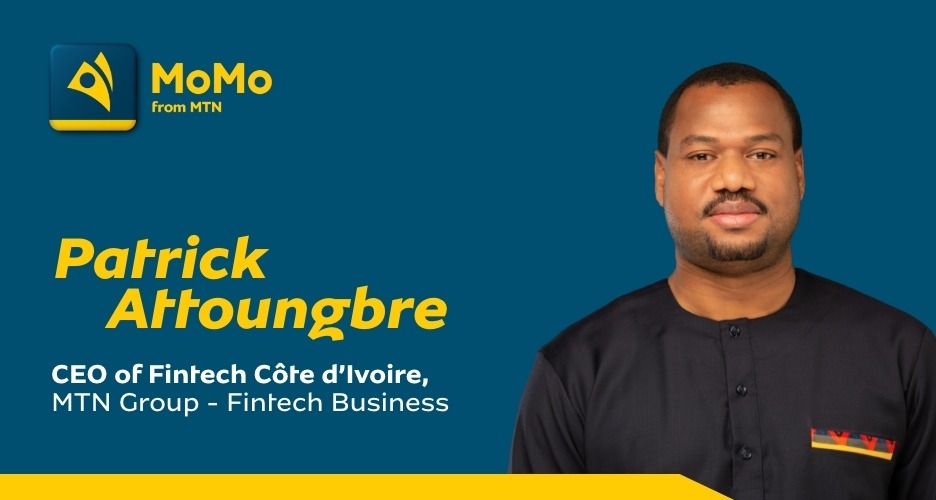
MTN’s Fintech business is pleased to announce the appointment of Patrick Attoungbre as the Chief Executive Officer (CEO) of MTN Fintech Côte d’Ivoire, effective November 2023. In assuming this role, Patrick will drive MTN’s Fintech business in Côte d’Ivoire, marking a significant milestone in the company’s expansion.
Bringing a wealth of experience in the telecommunications and fintech sectors, particularly within the African continent, Patrick has nearly two decades of expertise. His previous executive roles within the MTN Group have positioned him as a highly respected leader in the industry.
Serigne Dioum, Group Fintech CEO at MTN, expressed his enthusiasm, saying, “We look forward to working with Patrick as we continue to innovate and shape the future of fintech in Côte d’Ivoire. His experience and leadership will undoubtedly drive our success in the market.”
During Patrick’s tenure as Chief Marketing Officer (CMO) for MTN Côte d’Ivoire, he played a pivotal role in reshaping the MTN brand and making substantial contributions to the country’s telecommunications sector. Over a three-year period, his leadership resulted in outstanding performance, marked by revenue growth, increased subscriber numbers, and a greater market share for MTN.
Before his time in Côte d’Ivoire, Patrick served as the CMO for MTN Cameroon, where he successfully enhanced the commercial function. Additionally, he achieved remarkable success by launching the mobile money business in MTN Congo Brazzaville, transforming it into one of the group’s most thriving mobile money operations.
Patrick is a distinguished alumnus of the Wharton School at the University of Pennsylvania, where he earned his MBA. He also holds a Master’s degree in Logistics from the Institut National Polytechnique FHB in Côte d’Ivoire.
He takes the helm from Acting CEO, Gedeon Agbe, who demonstrated exceptional leadership in guiding the team during the transition period from July to October 2023. We extend our sincerest gratitude to Gedeon for his outstanding contributions during this period.