















Tag: ESG
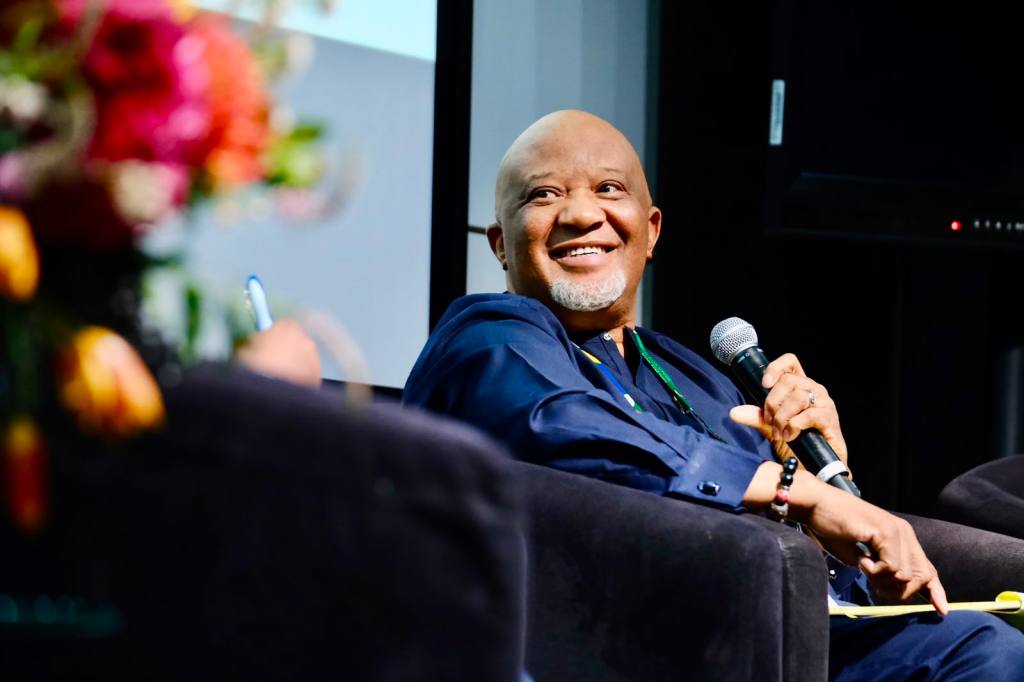
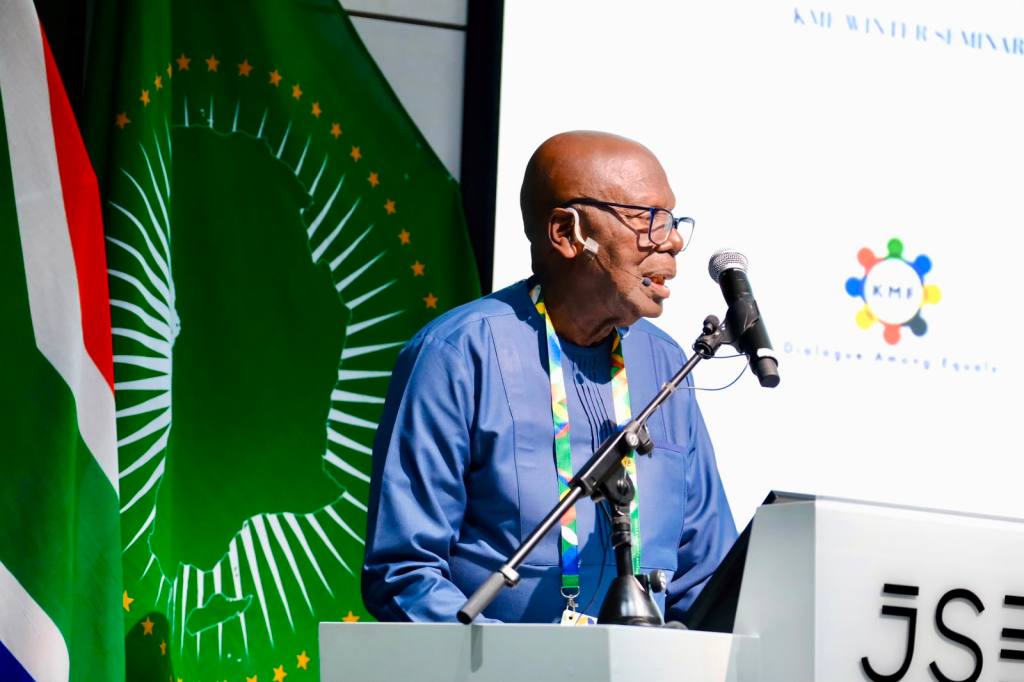
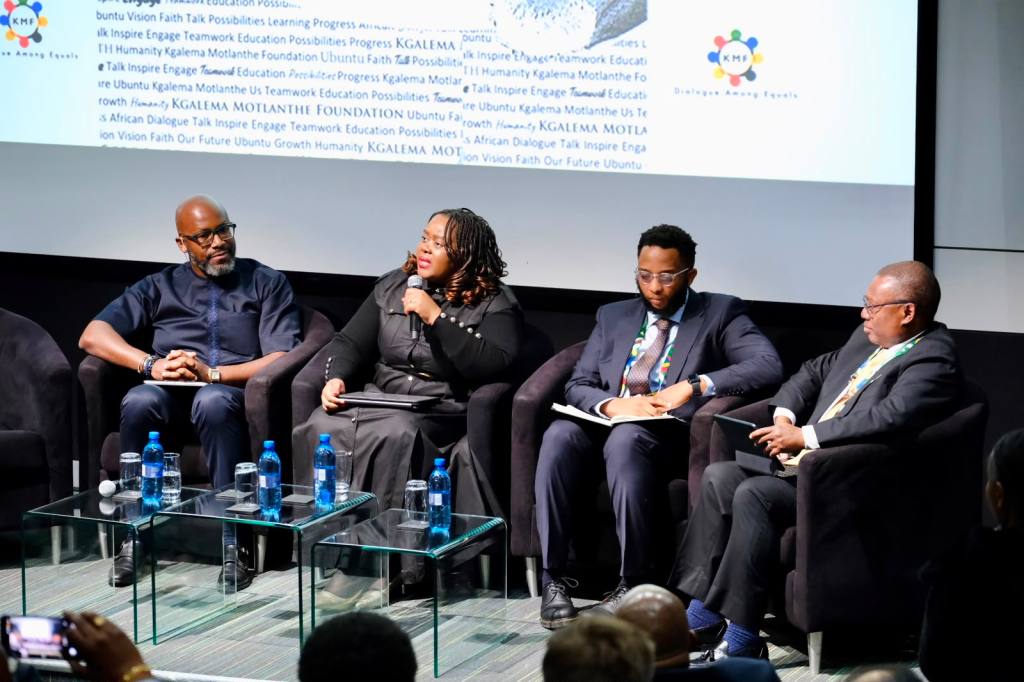
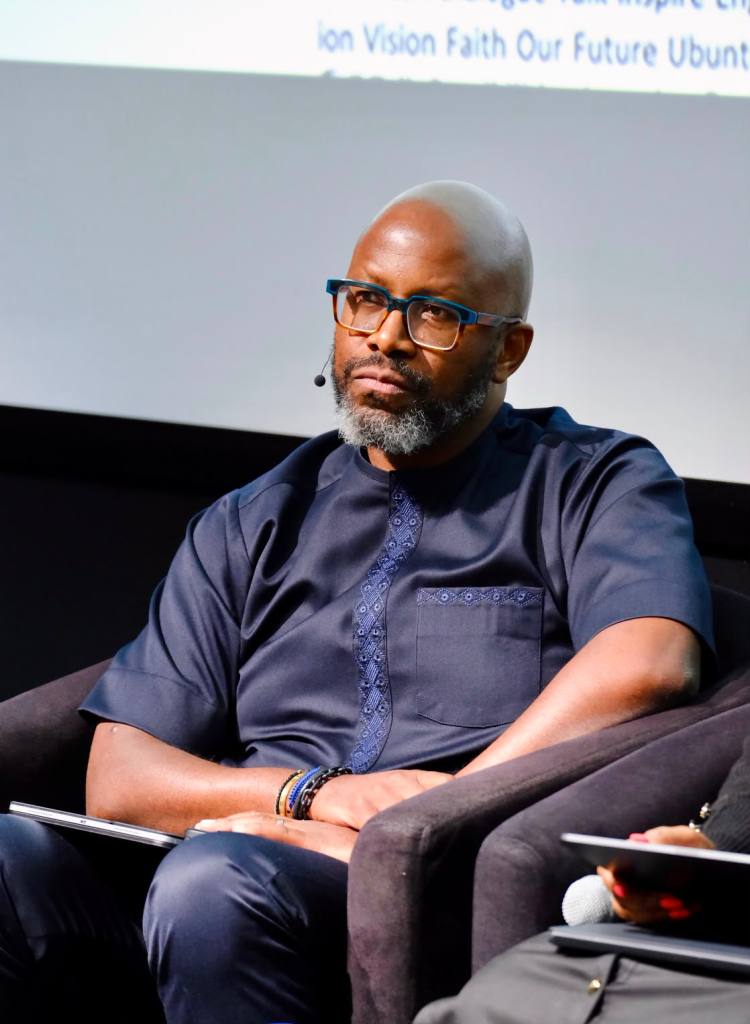
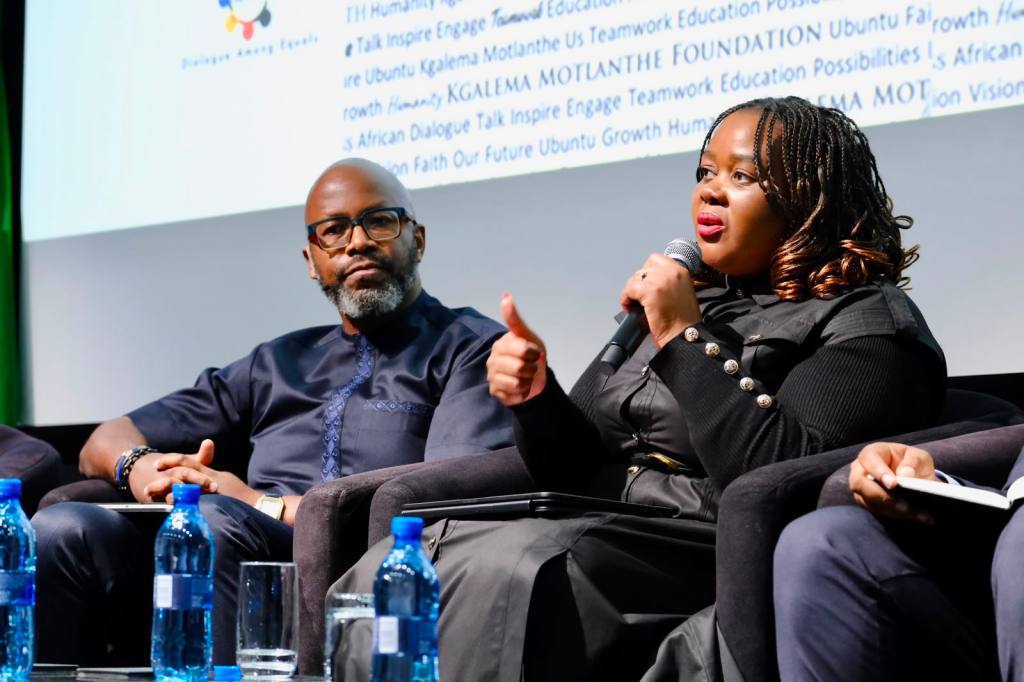
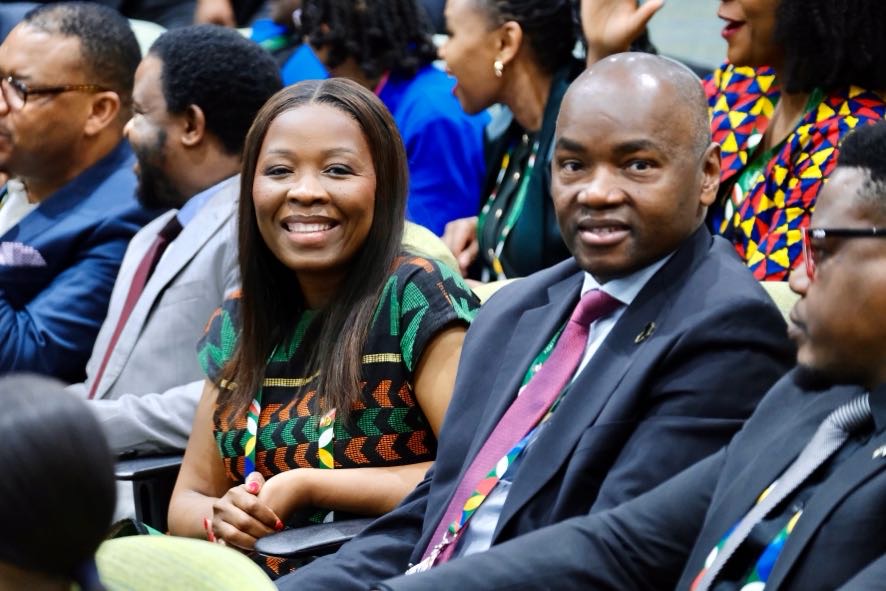
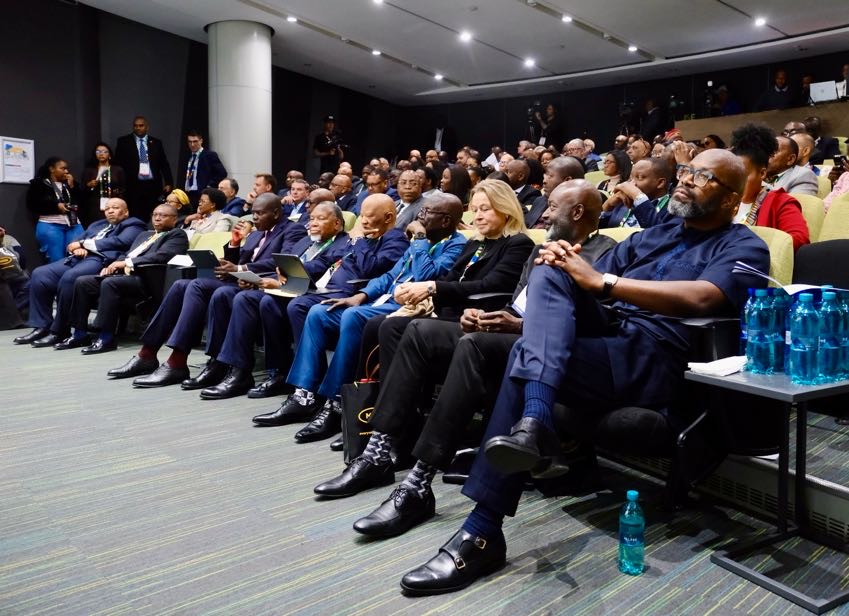
Africa’s long-term prosperity will depend less on how the continent responds to issues of migration and more on how it expands economic opportunity, strengthens regional integration and enables more people to participate meaningfully.
That was the key message from MTN Group President and CEO Ralph Mupita during the Kgalema Motlanthe Foundation (KMF) Winter Seminar, where leaders from government, business, the diplomatic corps, academia and civil society gathered to examine the relationship between migration, development and Africa’s future.
“The future of Africa will not be determined by the borders that separate us, but by the economic opportunities that connect us. Governments must set predictable policy and regulations. Businesses will follow and allocate resources and capital. Together, we can build a continent where opportunity is more evenly shared and prosperity is more widely created,” he said.
As a sponsor of this year’s KMF seminar, MTN Group believes platforms that bring together diverse perspectives are essential to building practical solutions to some of the continent’s most complex challenges.
Speaking during a panel discussion, Mupita said migration should not be viewed in isolation from the broader economic conditions shaping people’s lives and economic progress.
“If our discussion ends with the language of crisis around migration, we will have treated the symptom and missed the deeper challenge. People move because opportunity is unevenly distributed. The defining question is whether we can build economies in which mobility is matched by opportunity.”
He argued that Africa’s demographic advantage would only become an economic advantage if countries invested in the conditions that allow people to participate productively. These included skills, infrastructure, finance, markets and institutions.
“MTN was born in South Africa and has grown alongside the continent. Our prosperity is inseparable from Africa’s prosperity,” Mupita said, adding that digital infrastructure and services have become increasingly important enablers of economic participation. They connect people to each other, but also to education, entrepreneurship, financial and public services, and to markets.
This is why MTN continues to support platforms that encourage thoughtful, evidence-based dialogue on issues that shape Africa’s future.
“MTN believes that Africa’s strength lies in its connectivity – not only through networks, but through people, ideas and shared identity. This initiative is about building bridges, not borders,” Mupita concluded.
Africa’s digital future will be shaped by the young people who have the opportunity to participate in it. As technology rapidly transforms industries and redefines the future of work, access to digital skills has become more than an education imperative – it’s an economic necessity.
As an organisation leading digital solutions for Africa’s progress, MTN believes expanding access to digital skills is fundamentally about expanding access to opportunity.
World Youth Skills Day, observed annually on 15 July, provides an opportunity to reflect on how digital inclusion, skills development and strategic partnerships are enabling more young Africans to participate meaningfully in the continent’s growing digital economy.
For MTN, investing in digital skills is not simply about preparing young people for the jobs of tomorrow. It is about empowering them to become entrepreneurs, innovators, creators and problem-solvers who will shape Africa’s future and drive sustainable progress across the continent.
“Africa’s future will be shaped by the ambitions and capabilities of its young people. At MTN, we believe that digital skills are the foundation, but opportunity is the true destination,” says Nompilo Morafo, Chief Sustainability and Corporate Affairs Officer, MTN Group. “Our responsibility is not only to equip youth with future-ready skills, but to help create pathways to employment, entrepreneurship and innovation that enable them to participate meaningfully in Africa’s digital economy.”
Unlocking Africa’s competitive advantage
Africa’s greatest competitive advantage lies in its young and rapidly growing population. Realising this potential requires more than just connectivity or access to technology. Young people require future-ready skills and access to opportunities that enable them to compete globally while driving innovation and growth within their communities.
The urgency is clear. Sub-Saharan Africa’s population is projected to grow by around 150 million people over the next five years. At the same time, the World Economic Forum’s Future of Jobs Report 2025 estimates that around 40% of today’s skills are becoming outdated, while approximately 22% of jobs are expected to change by 2030 as technology continues to reshape industries.
Preparing youth for this future demands more than digital literacy. It requires practical, industry-relevant skills that can translate into meaningful employment, entrepreneurship and long-term economic participation.
MTN, through the MTN Skills Academy and a growing portfolio of initiatives across our markets, is helping to build those pathways by connecting learning with opportunity.
Turning ambition into action
Across our markets, this ambition comes to life in different ways. While every community faces unique challenges, the objective remains the same: removing barriers that prevent young people from participating in Africa’s digital economy.
South Sudan
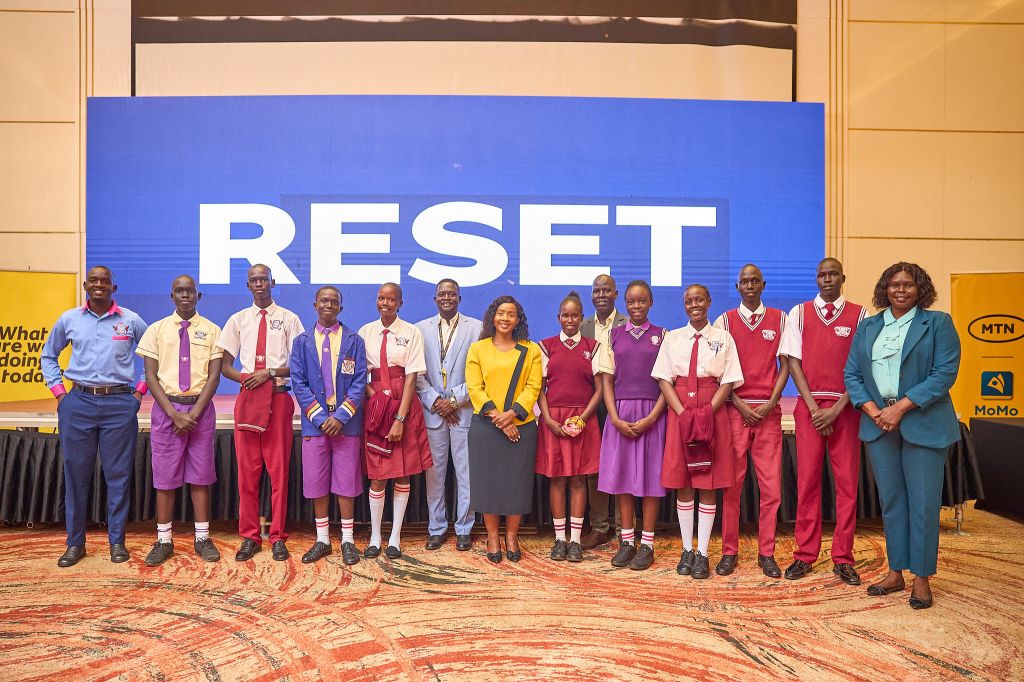
In South Sudan, MTN has partnered with the Ministry of General Education and Instruction, the Ministry of ICT and Postal Services, and the non-profit organisation Educare South Sudan to launch the zero-rated Junub Academy National E-Learning Platform.
Recognised by Educare South Sudan for expanding access to education, the platform enables teachers and learners across the country to access approved educational content without incurring data charges. This helps remove one of the biggest barriers to digital learning while supporting continuity of education in underserved communities.
The initiative is particularly significant given South Sudan’s longstanding infrastructure and education access challenges, demonstrating how digital connectivity can help bridge educational gaps.
Congo Brazzaville
In Congo Brazzaville, MTN has embraced the rapid rise of artificial intelligence (AI) by investing in young innovators developing solutions to Africa’s unique challenges.
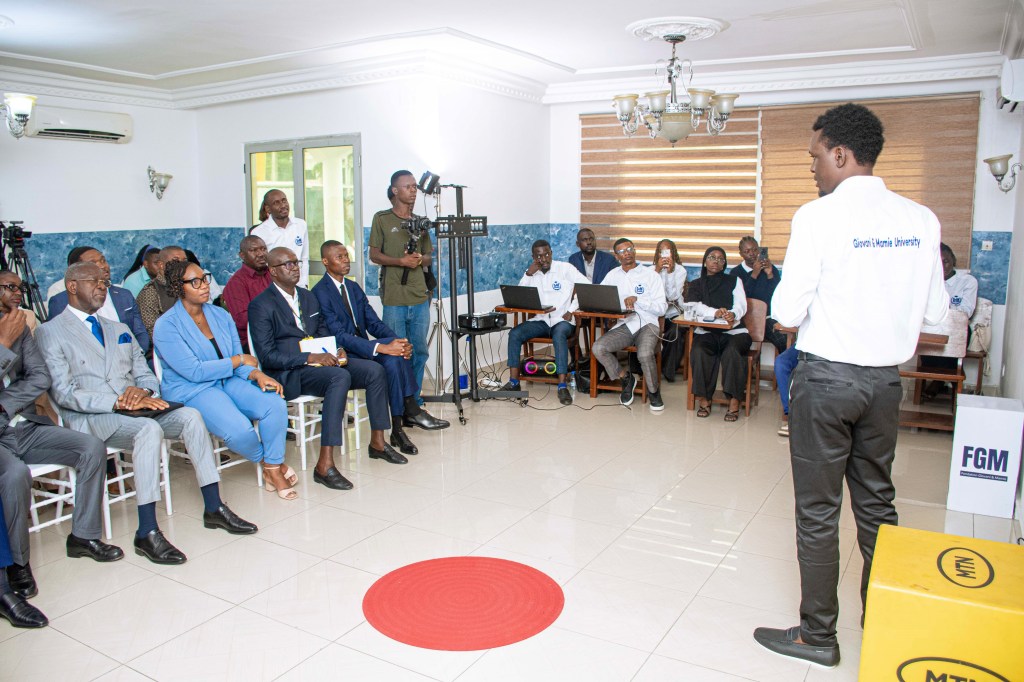
Together with the Giovani & Mamie Foundation and BantuHub, MTN hosted GMU Tech Week 2026 in Pointe-Noire, a week-long programme designed to transform youth potential into future technology leadership.
Over five days, more than 200 participants moved beyond simply learning about emerging technologies. They engaged with industry experts, explored future-focused career opportunities and developed ideas capable of creating meaningful impact within their communities.
Côte d’Ivoire
In Côte d’Ivoire, MTN is demonstrating that digital inclusion must be accessible to everyone.
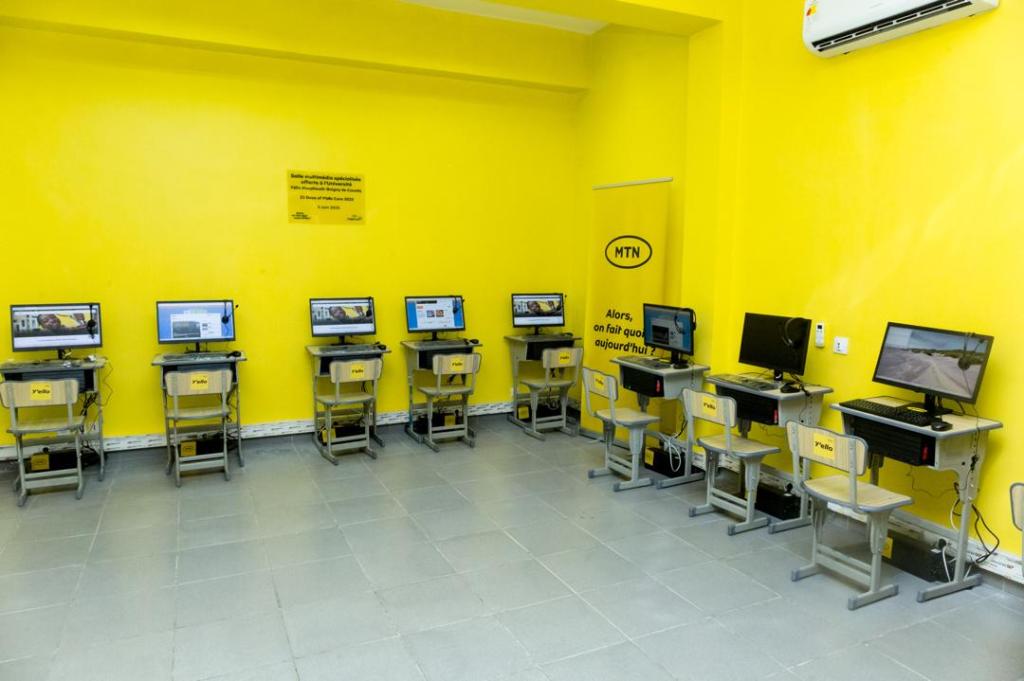
Through a partnership with the National Institute for the Promotion of the Blind (INIPA), MTN established a Braille multimedia room equipped with adapted computers and assistive technologies.
The facility enables visually impaired students to access educational resources, strengthen their digital capabilities and learn more independently, ensuring that disability is not a barrier to opportunity.
Benin
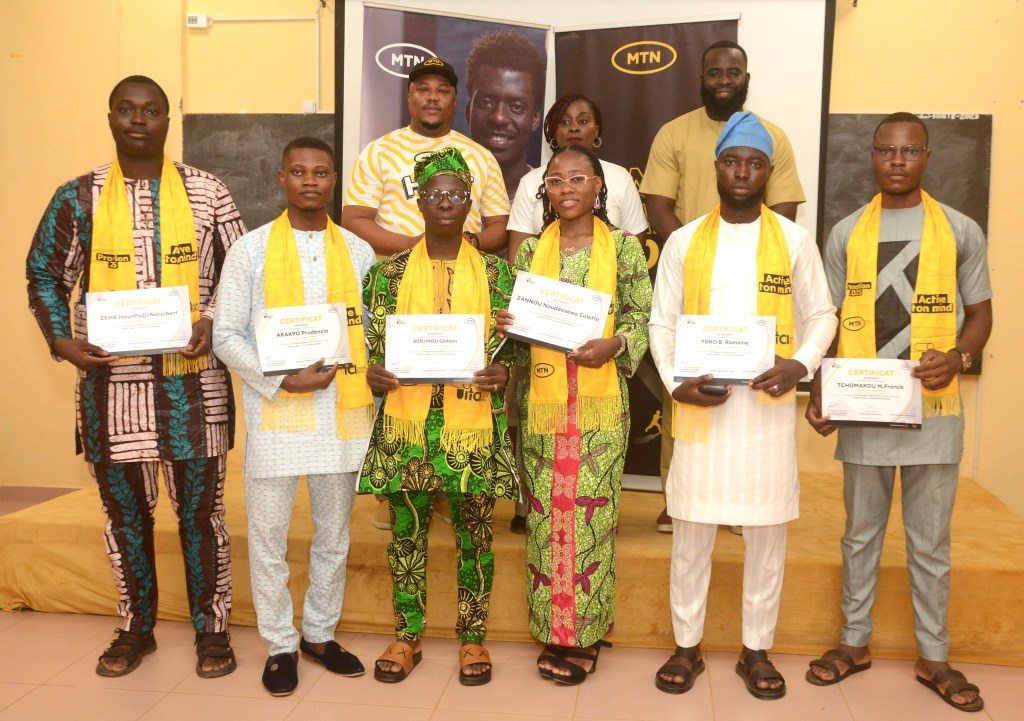
In Benin, MTN is creating stronger pathways between digital learning and employability through its flagship TITA Digital Skills programme.
Launched by the MTN Foundation in 2022 in partnership with Digital Valley and public universities, the initiative equips students and young graduates with practical, industry-relevant skills in areas including coding, digital entrepreneurship, content creation and innovation.
The programme has already trained more than 1,000 young people, with many graduates securing opportunities across local industries, while others have begun their professional journeys within MTN Benin.
From skills to opportunity
Although these initiatives address different needs, they all contribute to the same vision: enabling young Africans to participate fully in the digital economy by creating inclusive pathways to opportunity.
Whether it is a learner accessing education without connectivity barriers, a visually impaired student gaining digital independence, or an aspiring innovator developing solutions powered by AI, each initiative creates a pathway towards greater opportunity.
Today, the MTN Skills Academy is available across 11 markets and has reached more than 350,000 learners through a growing network of training and ecosystem partners, including ICT hubs.
While building digital skills is an essential first step, the true measure of success lies in what those skills make possible. Skills must lead to employment, entrepreneurship, innovation and economic participation.
As Africa’s leading digital solutions provider, MTN is committed to creating those pathways by connecting digital skills with real opportunity. Because when young people are empowered to participate fully in the digital economy, they do more than build futures for themselves. They help drive Africa’s progress.
MTN Group President and CEO Ralph Mupita has been named as a commissioner on the AI for Good Global Commission, an initiative of the United Nations’ International Telecommunication Union charged with expanding digital access, strengthening trust and accelerating economic impact through responsible AI.
“It’s an honour to be one of the founding commissioners of the AI for Good Global Commission,” said MTN Group President and CEO Ralph Mupita. “At MTN Group we believe that the developments in AI have the potential to advance health, education, food security and industrial productivity. AI must be safe, ethical and globally inclusive. These perspectives align fully with the work of this Global Commission.”
Made up of more than 40 founding members, the Commission brings together leaders from government, business and international organisations to unlock AI’s potential. It builds on the Broadband Commission for Sustainable Development, which helped shape global priorities for extending digital inclusion and economic development.
The first meeting of the AI for Good Global Commission – which is co-chaired by Rwandan President Paul Kagame and Salesforce CEO Marc Benioff – will take place this week in Geneva, Switzerland. One of the MTN Group’s strategic priorities is to ‘leverage AI for growth’, targeting R30 billion in value-creation opportunities in the next three to five years.
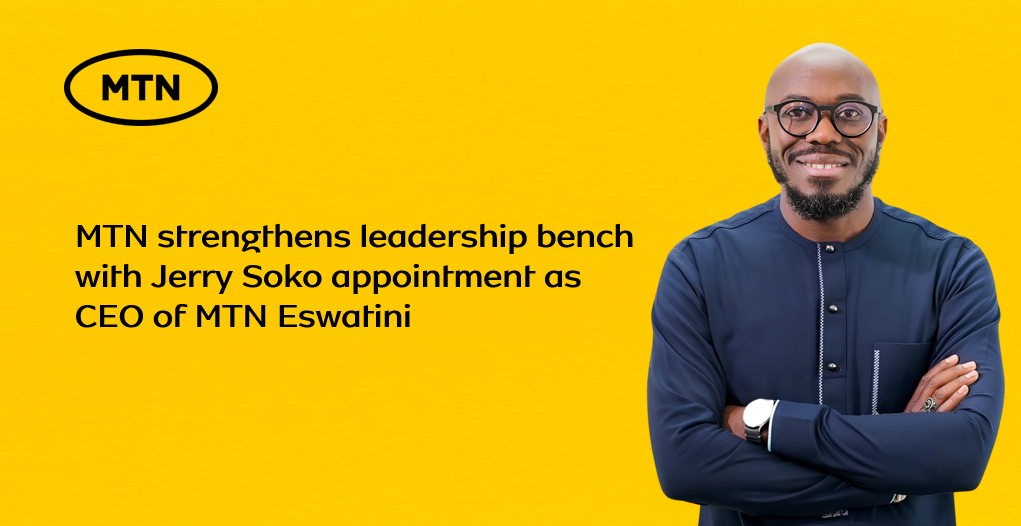
MTN Group is pleased to announce the appointment of Jerry Soko as Chief Executive Officer of MTN Eswatini, effective 1 July 2026.
The appointment builds on a series of leadership announcements in the first half of the year, reinforcing MTN’s commitment to strengthening its leadership bench as it executes on its Ambition 2030 strategy.
“Under Jerry’s leadership, MTN Eswatini has regained strong momentum, improving performance, strengthening operational discipline, and deepening customer engagement,” said Ralph Mupita, MTN Group President and CEO. “His track record, combined with his understanding of our operations, positions him well to lead MTN Eswatini into its next phase of growth.”
Jerry is a seasoned telecommunications executive and qualified accountant with more than 20 years of leadership experience across the ICT sector in Africa. He has served as Acting CEO of MTN Eswatini for the past seven months, during which time he has stabilised and repositioned the business for sustainable growth. His tenure has reinforced the company’s relevance in the market and strengthened trust with stakeholders.
Jerry has driven a focused organisational agenda anchored on network competitiveness, customer experience and disciplined execution. His leadership has prioritised network resilience and reliability while embedding a more customer-centric culture across the organisation.
He has also strengthened operational efficiency, enhanced cash management, and fostered strategic partnerships that support Eswatini’s broader digital development ambitions.
A strong advocate for people and culture, Jerry has cultivated a high-performance environment grounded in accountability, agility and collaboration, while placing emphasis on leadership development and succession planning.
Jerry brings extensive experience from across the MTN footprint, having held senior leadership roles, including CEO and CFO positions, in Zambia, South Sudan, Botswana and Rwanda. He also serves on several boards in a non-executive capacity.
As MTN continues to evolve from a connectivity provider to a platform business, leadership continuity and capability remain central to delivering on its strategic priorities of connectivity, fintech and digital infrastructure.
Jerry’s appointment underscores MTN’s commitment to developing and appointing proven leaders from within its markets, while leveraging the scale and expertise of the Group to deliver inclusive digital progress across Africa.
“I am not African because I was born in Africa, but because Africa was born in me.”
This powerful quote from Kwame Nkrumah, the first prime minister of a post-colonial African nation, reminds us of the fundamental cultural connection of being African.
At MTN, we celebrate Africa Day as a pan-African company both born on the continent and one that is inherently African.
We are a diverse group that serves a quarter of a billion customers – from families and friends to communities and business – across this vast continent we call home. We employ 15 000 people, representing 74 different nationalities and ethnicities in 19 markets. Of the 1 730 people who joined MTN and our subsidiaries in 2025, 87% were local – they were employed in the countries from which they originate.
“Our Pan-African roots run deep, and today we are humbled and proud to acknowledge these,” says MTN Group President and CEO Ralph Mupita. “Our continent has enormous potential, and we are committed to helping unlock this through our networks and platforms.”
MTN’s purpose is leading digital solutions for Africa’s progress.
“The unity of Africans is the strongest foundation off which to secure a prosperous future for Africa’s youth, who will represent the world’s largest workforce by 2040,” he says, adding that the continent has much to gain from this demographic dividend.
MTN’s three-decade history is one of significant investment in people, technology and infrastructure. We are humbled to help create opportunities and economic value. In 2025, we generated a massive R150 billion in economic value-added across our continent, where our total tax contribution was R61.1 billion – more than the GDP of some small countries.
Our capital expenditure of R38.5 billion in 2025 reflects the sustained investment in the physical and digital assets that underpin connectivity. Investing at scale helps develop durable national infrastructure, building national digital backbones. Through the distribution of dividends to the shareholders – including pension funds – of MTN Group and our subsidiaries across our markets, we unlock value for millions.
As part of our commitment to being a good corporate citizen, we also make significant corporate social investments. In 2025, these totalled R269 million, benefiting 2.3 million people, most of them youth.
We believe in the power of technology to uplift communities, empowering the next generation of African leaders. We embed local participation across employment, ownership and procurement. This includes investing in skills development and supporting the growth of local businesses, ensuring economic value is retained and multiplied within host economies.
“Our success is irrevocably tied to the progress of the nations we serve. Together, we create jobs, develop local suppliers, build digital skills and support essential services like education, healthcare and infrastructure,” says Mupita, adding that MTN’s listings on the stock markets in Nigeria, Ghana, Uganda and Rwanda are critical levers in MTN’s localisation and value-creation journey.
“We’ve made it our goal to drive digital and financial inclusion, giving the people in the communities we serve dignity, hope and opportunity. Africa needs to chart and champion her own growth. It is up to us all to unlock Africa’s boundless potential.”
Looking ahead, Africa’s future will be defined by what we choose to build together. When Africans act with greater unity, shared purpose and collective resolve, we lay the foundation for the Africa we want: more inclusive, more resilient and more prosperous.
Ours is the youngest continent on earth, and within that youthful energy lies one of our greatest opportunities. If we invest with intent in education, skills, entrepreneurship and meaningful work, we can turn this demographic reality into a lasting dividend for generations to come.
Digital technology will be one of the great catalysts of that future. By connecting more people, expanding access to financial services, education, healthcare and markets, and giving young innovators the tools to solve African challenges with African insight, technology can help unlock progress at scale.
With sustained investment in digital infrastructure, digital skills and trusted platforms, we can help build a continent that is more connected, more competitive, and full of possibility – a confident Africa, shaping its own destiny in the digital age.
We invite you to share your voice here about what Africa means to you. You can also upload a photo to generate a personalised Africa Day image to share.
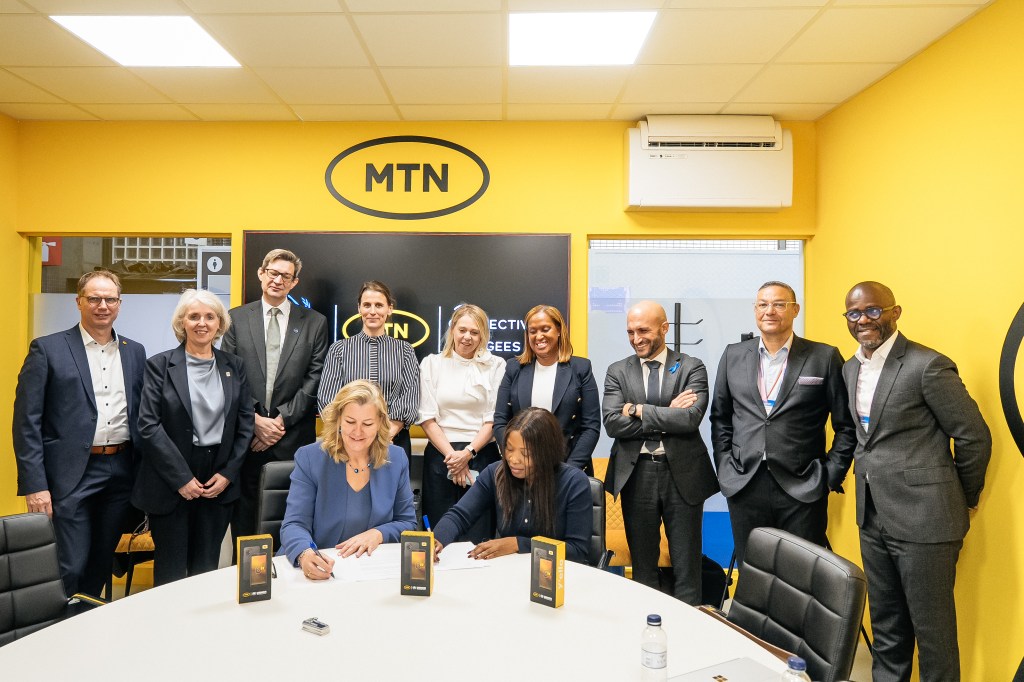
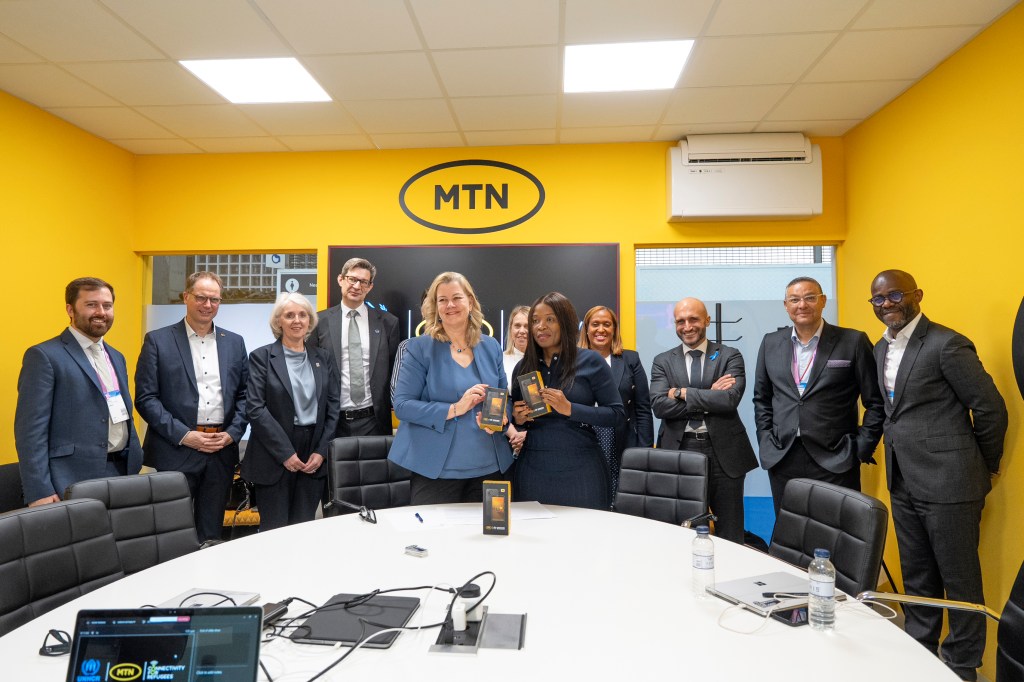
MTN Group signed a multi-year Memorandum of Understanding (MoU) with UNHCR, the UN Refugee Agency, to advance meaningful connectivity and digital inclusion for refugees, internally displaced persons (IDPs), asylum seekers and host communities across MTN’s markets.
Announcing the partnership, Nompilo Morafo, Group Chief Sustainability and Corporate Affairs Officer at MTN Group, said: “At MTN, we believe everyone deserves the benefits of a modern connected life”. Connectivity is not a privilege; it is foundational to dignity, protection and economic participation. When people are forced to flee, digital access becomes critical, it keeps families connected, enables access to assistance, and restores agency. This partnership reflects our conviction that inclusion must be intentional and systemic, especially for the most vulnerable.
Kelly T. Clements, UNHCR Deputy High Commissioner, added: “For displaced communities, digital access is essential to protection, resilience and opportunity. It allows people to receive lifesaving information, connect with support networks and rebuild their futures. MTN’s reach and scale across Africa make this collaboration a significant step toward closing the connectivity gap for millions.”
The partnership underscores a broader reality: in an increasingly digital world, connectivity is not secondary to humanitarian response, it is central to it. The agreement recognises a shifting humanitarian landscape across sub-Saharan Africa, where conflict, economic shocks and climate-related disasters continue to drive large-scale displacement. More than 20 million displaced people reside in markets where MTN operates. For many, exclusion is compounded by systemic digital barriers which include lack of recognised identification, unaffordable devices and data, limited broadband coverage, language constraints and low digital literacy. Without reliable connectivity, access to protection updates, humanitarian assistance, education, financial services and livelihood opportunities is severely constrained.
MTN and UNHCR are committed to making connectivity more affordable and accessible in refugee-hosting areas, expand resilient network infrastructure, and advance digital and financial inclusion through mobile money, remittance enablement and digital skills development. The partnership will also support pathways that address identity and literacy gaps, recognising that documentation and capability are often the first barriers to meaningful participation in the digital economy.
Beyond service provision, the collaboration aims to catalyse broader ecosystem change by mobilising funding and fostering multi-stakeholder partnerships that deliver measurable socio-economic impact. Implementation is expected to begin in Rwanda, Uganda and South Sudan, with a structured roadmap to scale across additional MTN markets hosting significant displaced populations. This collaboration is anchored in the ambitions of the Connectivity for Refugees initiative, that brings together international organizations, public and private sector actors towards a goal of advancing connectivity for 20 million forcibly displaced people by 2030.
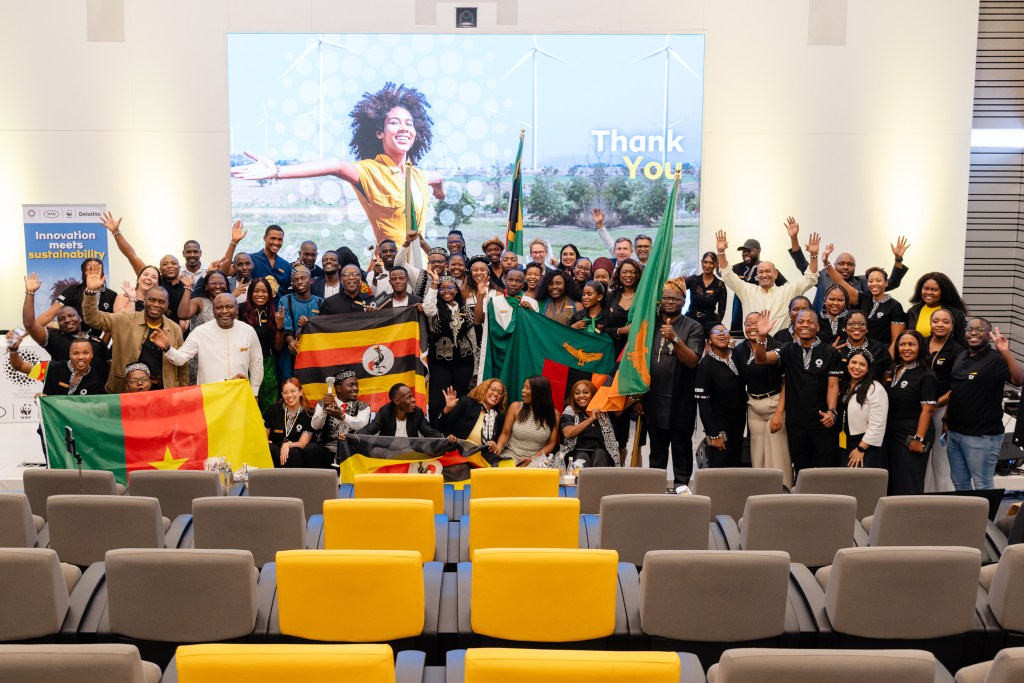
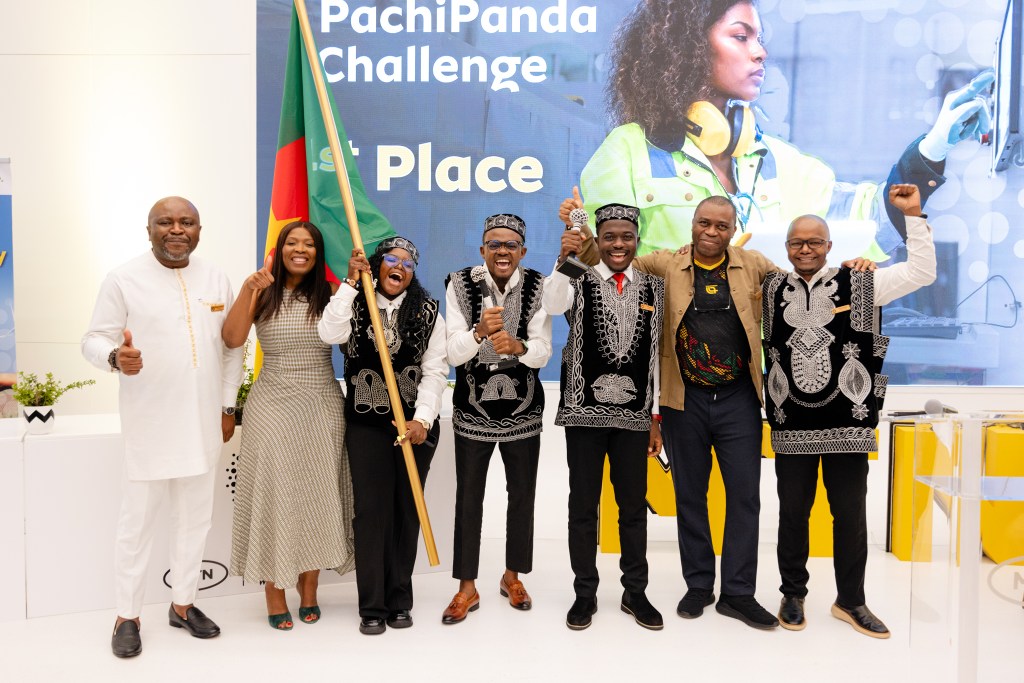
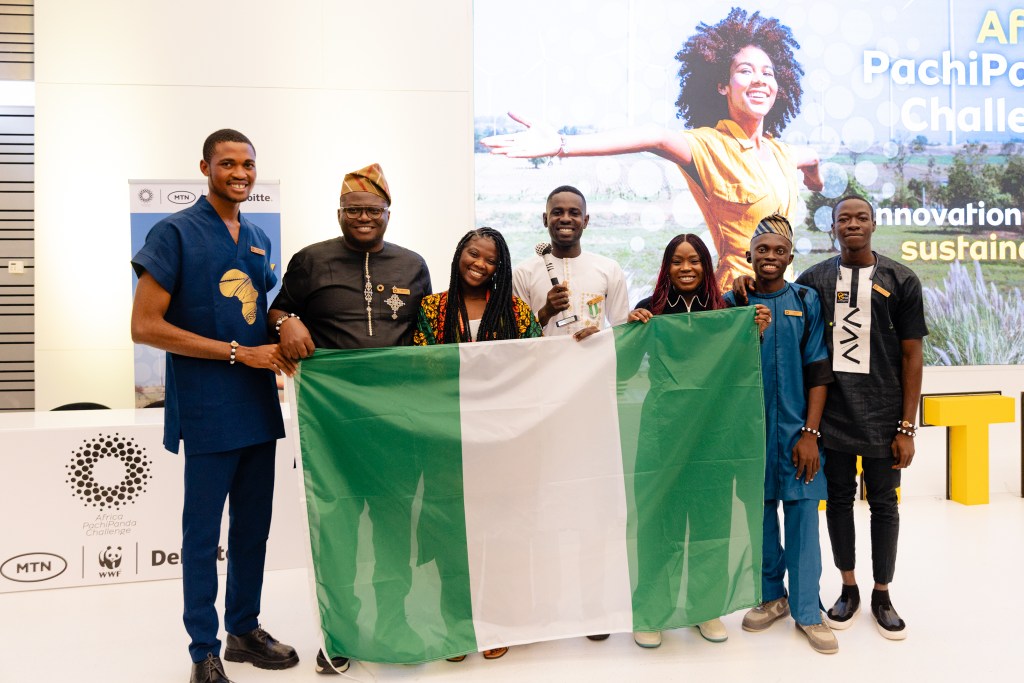
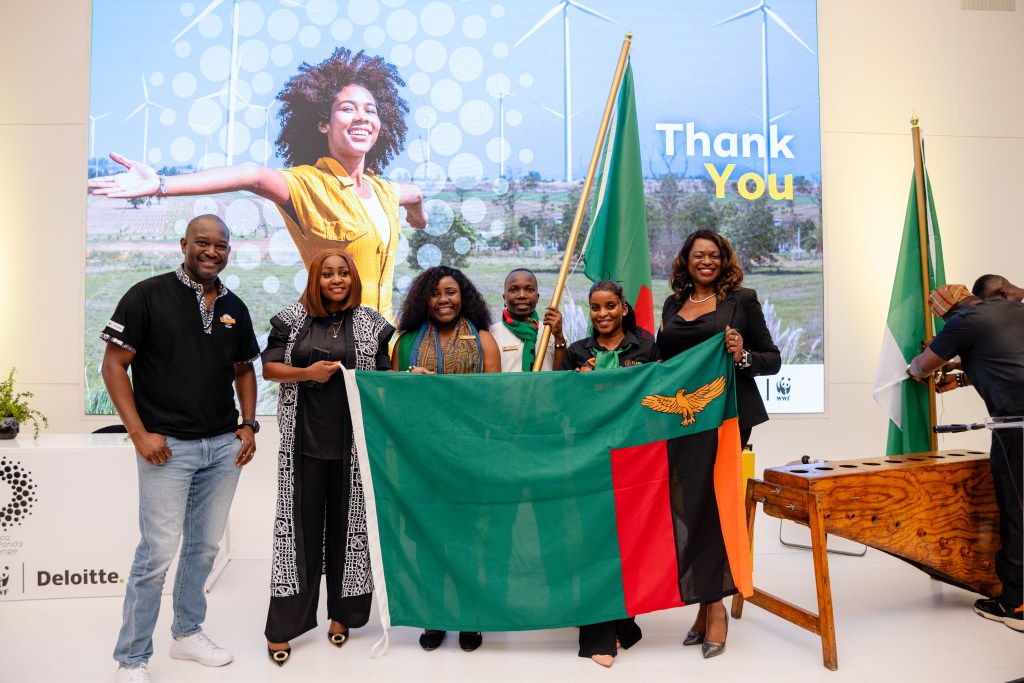
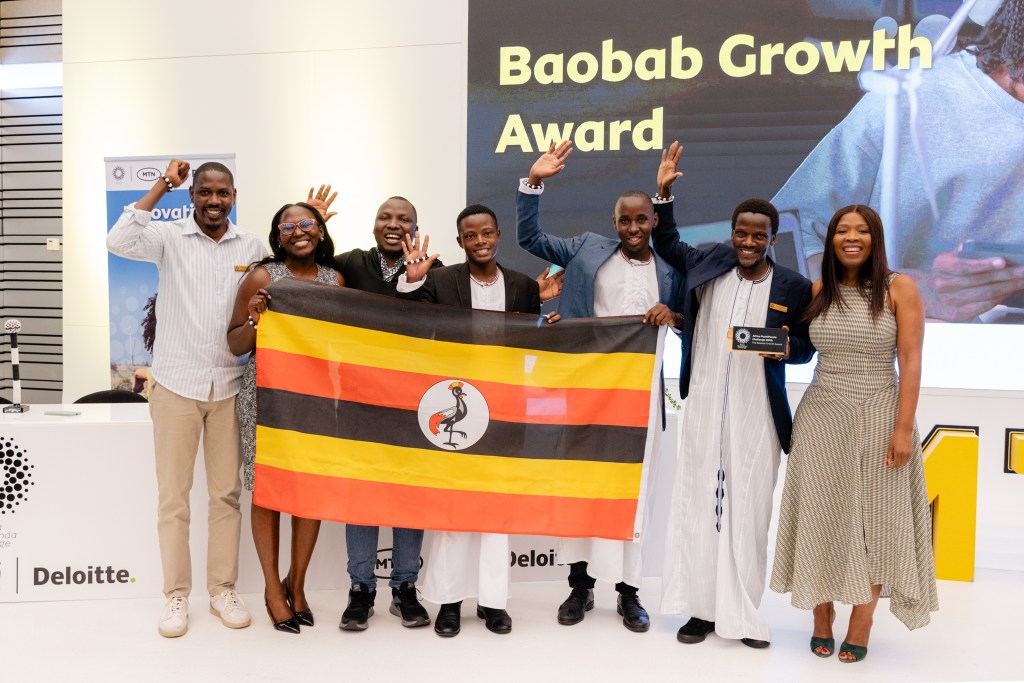
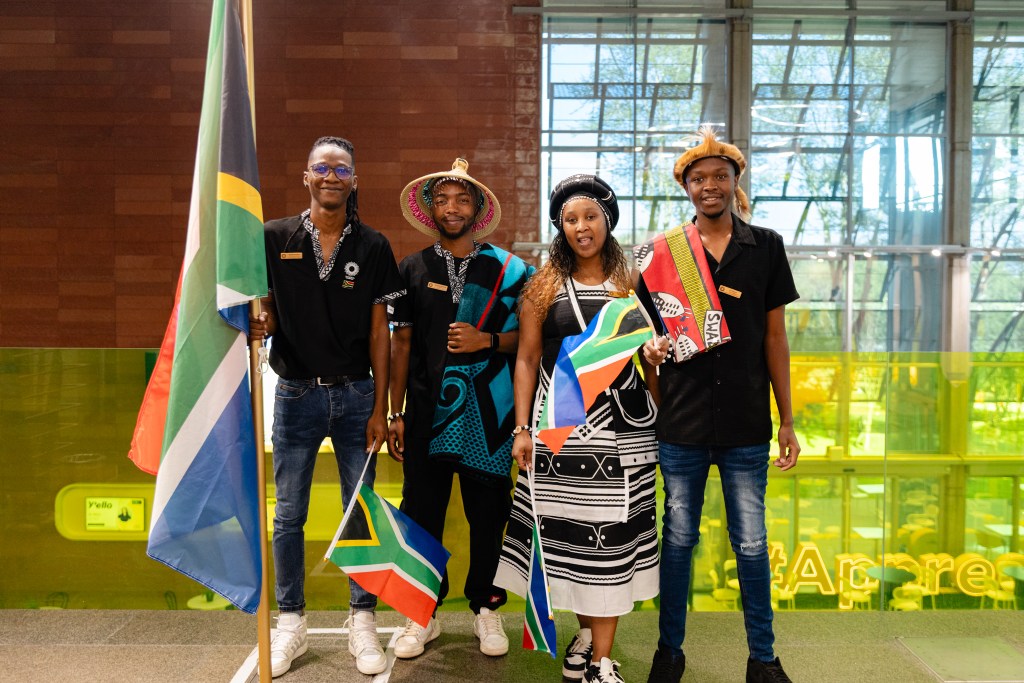
MTN, together with the World Wide Fund for Nature (WWF) and its strategic partners, has announced the winners of the 2025 Africa PachiPanda Challenge, concluding a continent-wide search for scalable, youth-led environmental enterprises driving Africa’s green economy.
Hosted at the MTN Innovation Centre in Johannesburg this week, the finale marked the culmination of a highly competitive process that attracted 2,484 youth-led small and medium enterprises from across multiple African markets. Guided by the theme, “Nourishing Tomorrow: Innovation for Food, Energy and Water Security,” the Challenge spotlighted commercially viable solutions addressing systemic environmental pressures while advancing inclusive, low-carbon growth.
Arnaud Njita of Cameroon won first place for nTron STEM Kit, converting plastic waste into 3D-printing filament for STEM education; Ndaman Joshua Olayinka from Nigeria secured second for BuyScrap, a tech-enabled e-waste recycling platform; and Bill Agha of Cameroon placed third for AgriCheck, a climate-smart digital agriculture solution. Together, they reflect the strength of youth-led innovation driving circular economy and climate resilience across Africa.
“Africa’s youth are not just responding to the climate challenge – they are shaping the solutions,” said Nompilo Morafo, MTN Chief Sustainability and Corporate Affairs Officer. “Through the PachiPanda Challenge, MTN is backing youth-led innovation that can scale environmental impact and unlock economic opportunities that could help enable long-term resilience for communities across the continent.”
The Challenge reflects the scale of opportunity within Africa’s climate economy. Agriculture remains central to employment yet constrained by land degradation, limited irrigation and climate volatility. At the same time, Africa’s renewable energy and water potential remains significantly underdeveloped. Innovation across food systems, energy access and water security therefore represents both a climate imperative and a strategic growth frontier.
The PachiPanda Challenge is a flagship pan-African platform for youth-led environmental innovation. The programme goes beyond ideation, equipping entrepreneurs with funding, mentorship and governance support to build investment-ready enterprises that create jobs and measurable environmental outcomes.
“What we have seen confirms that this is far more than a competition. It is a statement of intent. It shows that Africa is not waiting to be rescued by ideas from elsewhere, but is actively generating its own solutions—solutions rooted in local realities, driven by African entrepreneurs, and designed to deliver both economic value and measurable benefits for nature and communities” Alain Ononino, WWF Cameroon Country Director.
A distinguished panel of industry experts selected the winners from a diverse group of finalists spanning clean energy, food security ecosystems, circular economy solutions and waste-to-value innovations. The standard of innovation reflected the depth of Africa’s emerging climate-tech pipeline.
Jane Mammatt, ESG, Sustainability and Climate Change Partner at Deloitte, formed part of the expert judging panel “The PachiPanda Challenge highlights the growing pipeline of African innovators who are developing practical solutions to complex environmental challenges. Through the masterclass and ongoing mentoring, our focus has been to help participants strengthen their business models, governance and investment readiness, so that these ventures are well positioned to scale and deliver meaningful environmental and social impact.”
Flame Innovation Zambia, led by Agatha Mumba Mwansa, received both the Thematic Excellence Award and the Ubuntu Award for transforming waste materials into clean-energy alternatives such as fire blocks and eco-friendly household products, reducing deforestation and fuel costs while advancing circular economy principles. The Baobab Growth Award was presented to EcoDrop Project from Uganda founded by Kanyesige Pascal, Kigozi Martin Koyamu and Nyesiga Promise, for its incentive-based recycling model that rewards communities with cash, data or airtime for responsible plastic disposal, driving behavioural change at scale.
Winners will receive MTN funding to accelerate the next phase of growth, complemented by structured post-competition mentoring from Deloitte to strengthen business models, governance and investment readiness. The programme concludes with an executive immersion hosted by Wits Business School, providing finalists with exposure to leadership perspectives, enterprise development frameworks and innovation ecosystems to support scale.
By enabling youth-driven climate innovation, MTN and its partners are not only addressing environmental risk but also strengthening local ecosystems and contributing to Africa’s transition toward a more resilient, low-carbon future.
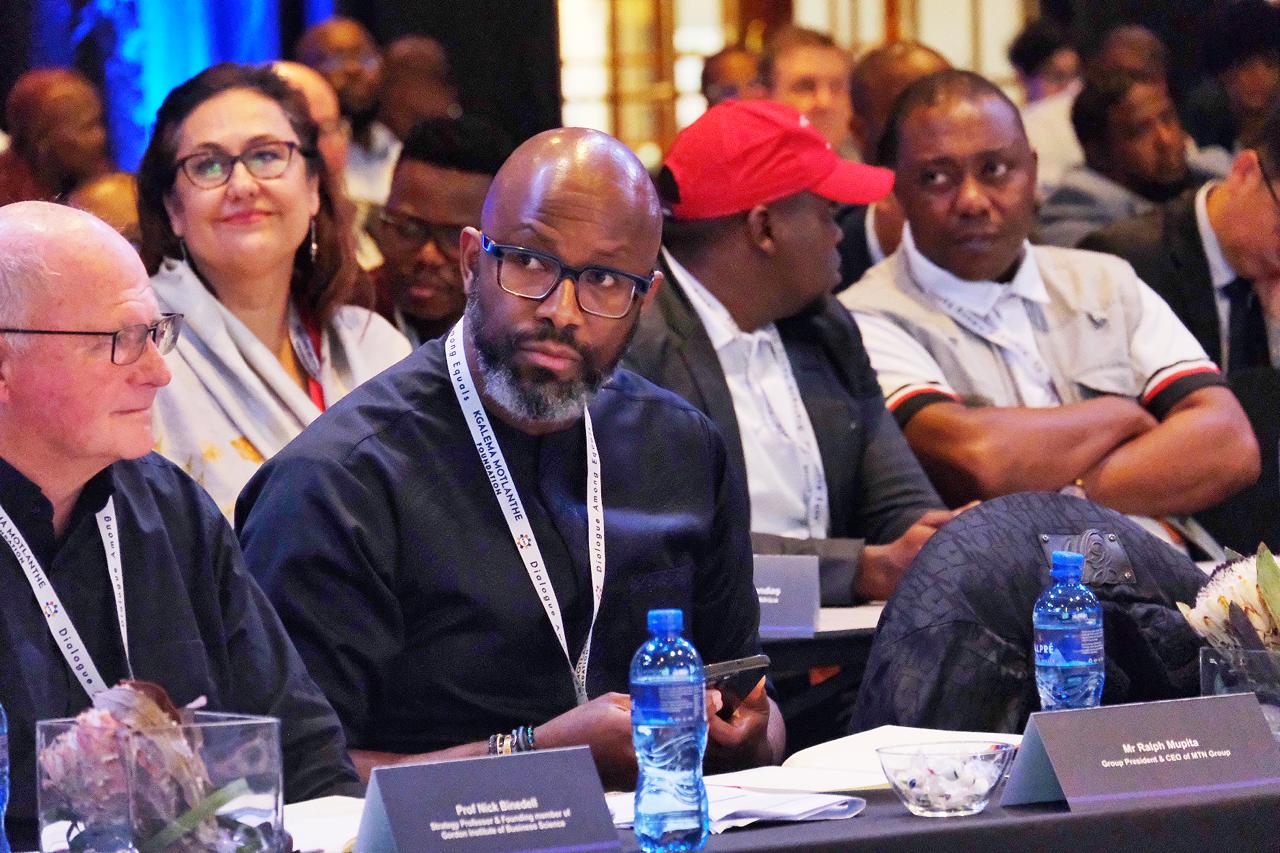
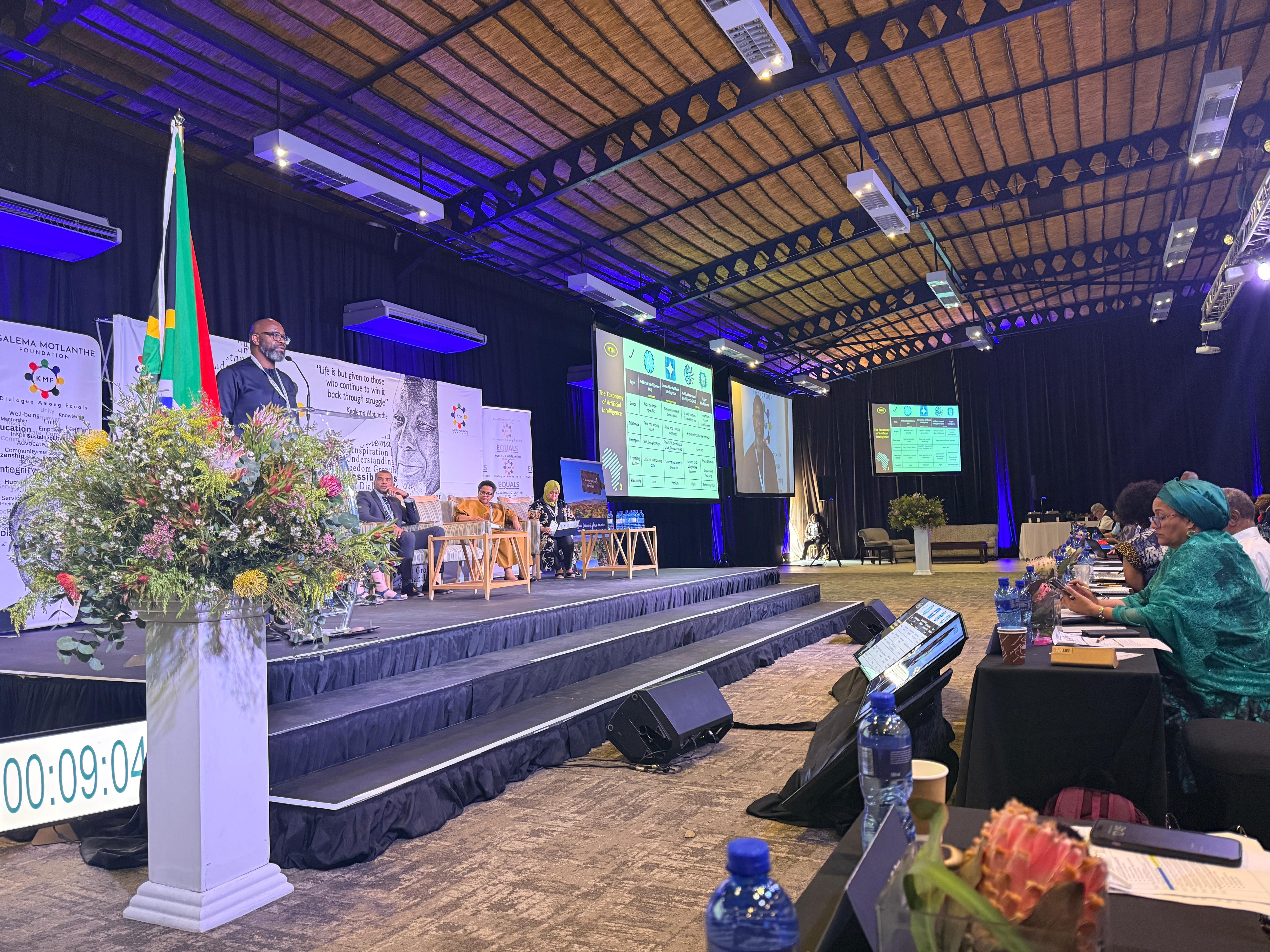
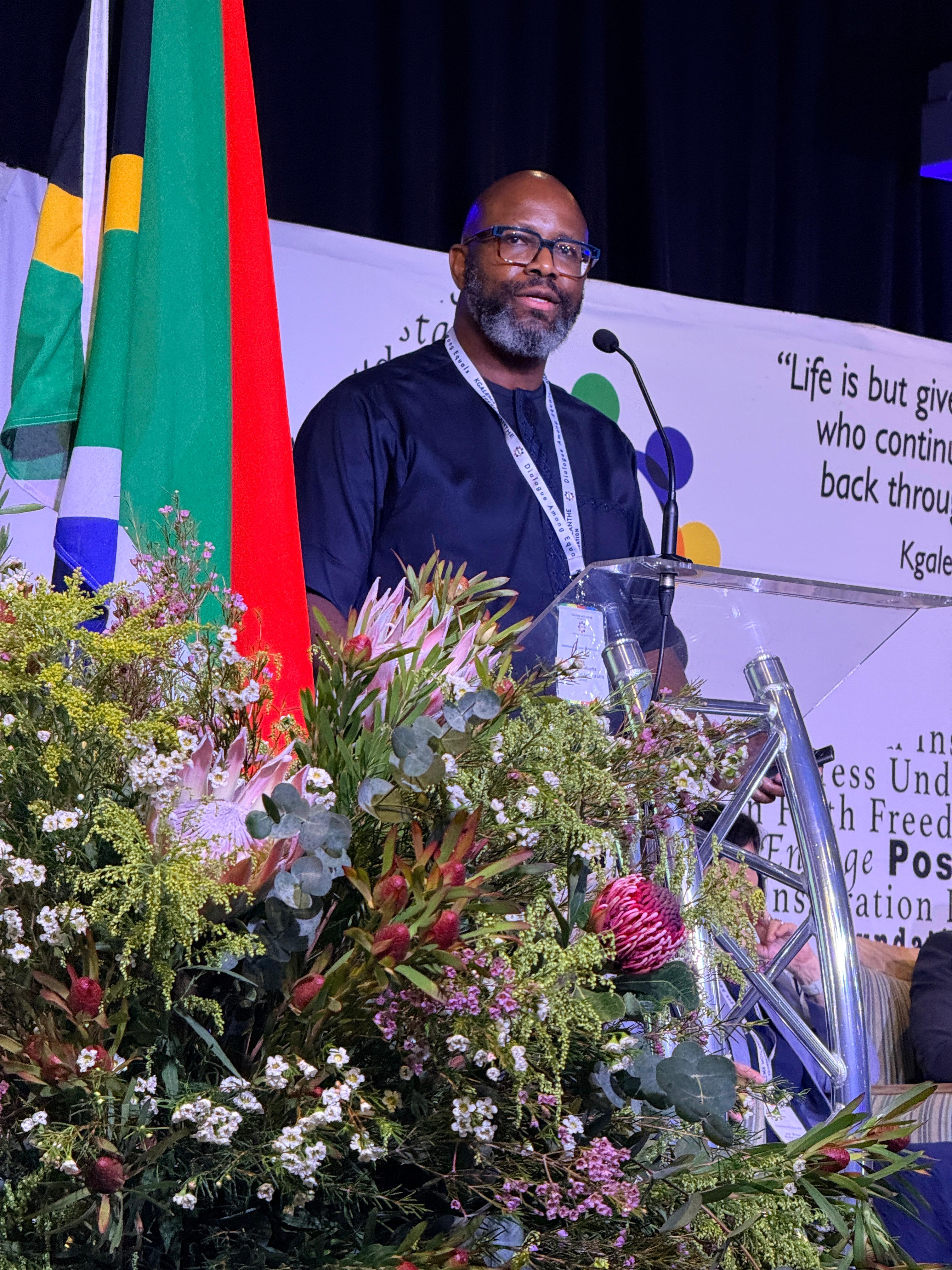
Artificial intelligence (AI) is potentially the most powerful tool for inclusive growth in Africa, but the continent is in a race against time and must act with urgency to overcome the risk of further inequality and the creation a digital underclass. This is according to the continent’s largest mobile operator MTN Group.
“We must be obsessed and paranoid about not being left behind,” MTN Group President and Chief Executive Officer Ralph Mupita told The Kgalema Motlanthe Foundation (KMF) Inclusive Growth Forum over the weekend.
He said Africa’s path to inclusive AI required speedy action on six fronts.
Firstly, AI needs more abundant electricity supplies to drive economic growth. The IEA has estimated that Africa’s energy and climate-related goals by 2030 require annual investments of more than US$200 billion. The International Monetary Fund has said that all data centres combined use as much power as some of the world’s largest economies, and data centre power demand may triple by 2030.
As Africa has less than 2% of global data centre capacity, Mupita said it needs to invest heavily in digital infrastructure, beyond investment in fibre and subsea cables. The International Telecommunication Union has said that Africa needs around US$96 billion until 2030 to plug the digital infrastructure capex gap.
Thirdly, Africa needs to speed up the development of its own large language models (LLM) to power AI-driven solutions for its 1.5 billion people. There are more than 2 000 distinct African languages and Mupita said that fewer than 2% of them are supported by mainstream LLMs.
He was building on comments he made in New York in September on the sidelines of the United Nations General Assembly, when he took up a call to action from Nigeria for MTN Group to support the collection of datasets of African languages, including funding academic research into the continent’s languages.
This followed the launch of the Nigerian Atlas for Languages & AI at Scale (N-ATLAS) – an open-source multilingual LLM designed to understand and generate Nigeria’s diverse voices and create datasets for AI solutions.
Mupita told the KMF gathering that Africa must act with urgency to develop strong digital and AI skills. “This is an opportunity to enable Africa’s rich pipeline of youth, which will make up the world’s largest workforce by 2050,” he said, adding that by 2030, there would be an estimated 230 million digital jobs in sub-Saharan Africa.
“We must ensure that new jobs and augmented jobs are greater than the jobs lost, particularly with the youth divided that Africa will have.”
Calling AI a tool to solve Africa’s unique challenges, particular in high impact sectors, Mupita said Africa needed to combine traditional AI and generative AI for the greatest value across key use cases in key sectors such as healthcare, education and agriculture.
Finally, he said if Africa was to turn its ambition into reality and create – not merely consume – AI, partnerships were essential. “To give African AI initiatives scale and joint success, governments, the private sector and civil society must partner on policy, data governance and skills development. And we must do this without delay.”
With only five years left to achieve the United Nations Sustainable Development Goals, the call for acceleration has never been more urgent. Progress remains uneven across the globe, and Africa in particular faces pressing challenges of inequality, youth unemployment and safety. It is against this backdrop that the UN Global Compact hosted its annual SDG Innovation Accelerator Programme during the United Nations General Assembly, showcasing bold business-led solutions that can help drive faster progress.
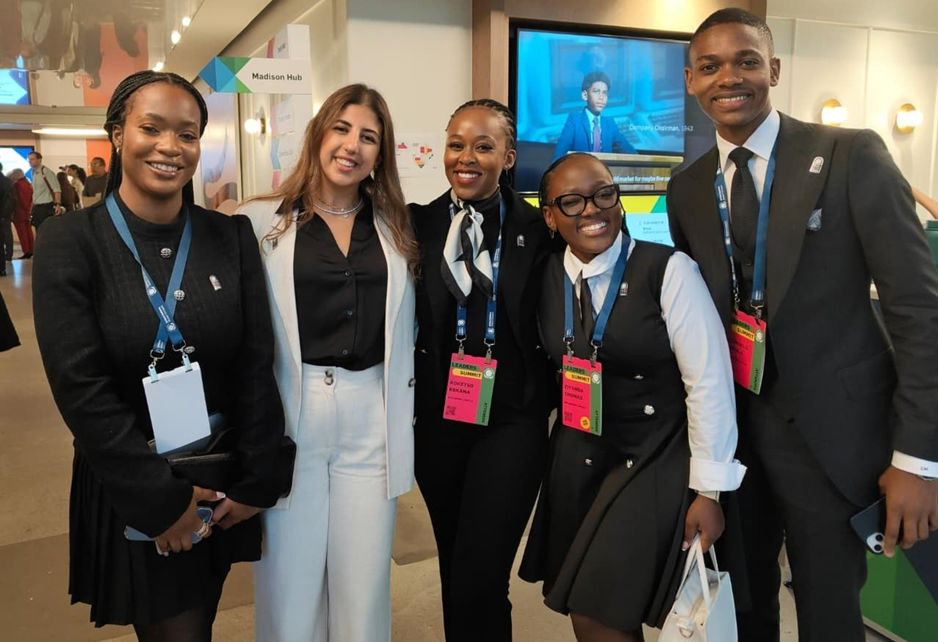
Representing South Africa, MTN’s graduate team won top honours and was selected as one of only two African teams to present their innovation at the UN Global Compact Leaders’ Summit in New York. Their project, an AI-powered solution to protect children online, responds directly to the alarming rise in digital harms, with child sexual abuse material increasing by more than 6000 percent globally and cyberbullying up by 450 percent. The solution is designed to shield children from predators, limit exposure to harmful content and reduce online bullying. It directly advances SDG 16.2 on ending abuse, exploitation and violence against children, while contributing to SDG 3 on health and well-being.
Dr Achieng Ojwang, Executive Director of UN Global Compact South Africa, stressed the importance of momentum. “The SDGs will not be met at the current pace, which is why programmes like the Accelerator are critical. They empower young professionals to create the type of bold, scalable solutions that can fast-track progress. The MTN graduates demonstrated that Africa is not only contributing but leading in tackling issues such as child online safety.”
The project was developed by graduates Lungelo Gwala, Senam Tsormetsri, Ziyanda Thomas and Koketso Kekana. As the youngest participants in the Accelerator, they exemplify the dedication and ingenuity of Africa’s youth. With the support of mentors including Asanda Nkungwana, MTN Group Sustainable Product Development Lead, Lazarus Mosako and Maanda Rashaka the UNGC Mentorship and Coaching team, the team transformed their concept into a viable solution with potential for large-scale impact.
Reflecting on their journey, Lungelo Gwala noted: “The Accelerator gave us the chance to show that African ideas can help accelerate progress on the SDGs. Representing South Africa at the UN reinforced that our generation has the power to shape a safer digital future.” Ziyanda Thomas added: “Being part of a global platform reminded me that Africa’s voice must not only be heard it must lead. YelloGuard may be a modest innovation today, but its potential to safeguard millions of children across the continent is profound.”
This recognition not only highlights MTN’s commitment to youth empowerment but also underlines Africa’s pivotal role in driving the acceleration needed to achieve the UNSDGs by 2030.
In November 2024, MTN South Africa launched the Icon 5G smartphone, priced at R2,499 (about $138). Designed to make high-speed internet affordable to underserved populations, the launch was not just a nod to corporate social responsibility (CSR); it was also a strategic move to tap into an underutilised market of digital users. As Sub-Saharan Africa remains one of the least connected regions globally, efforts like this highlight how CSR and business growth are increasingly intertwined in the telecom sector.
For MTN, CSR has become an entrenched means of ensuring long-term sustainability and profitability by creating shared value for communities and stakeholders. Understanding stakeholder priorities and measuring community impact has become central to this approach.
Telecommunications companies like MTN are now operating in an environment where connectivity is no longer a luxury, but a necessity. According to the GSMA’s 2023 report, closing the digital use gap in Africa could generate up to $3.5 trillion for the global economy by 2030. Yet, barriers remain—including in terms of cost, infrastructure, and digital skills—holding back the sector’s growth potential.
The fundamental question facing companies operating on the continent is: how do we combine economic performance with real social impact? For MTN, this balance is now an intrinsic feature of its African operating model.
This balance between purpose and profit manifests differently across MTN’s markets, with each country CEO adapting community development strategies to local needs. Mitwa Kaemba Ng’ambi, who previously served as CEO of MTN Cameroon and now leads MTN Côte d’Ivoire as CEO, exemplifies this localised approach. The MTN Foundation’s systematic community investment model underpins much of this work: “It’s funded every single year by 1% of our profits, and with that 1% of profits, we have three primary areas of focus. One, of course, is education. We also have focused around women empowerment,” she explains. Beyond traditional CSR, her market-specific strategies have seen MTN build a mobile money merchant network of over 300,000 in Côte d’Ivoire alone, with women representing a significant portion of these digital entrepreneurs—demonstrating how targeted community programmes can drive both social impact and business growth
Affordable technology: Preparing the customers of tomorrow
The Icon 5G smartphone addresses one of the major obstacles to connectivity in Africa: affordability. By offering this terminal at a competitive price, MTN demonstrates its in-depth understanding of long-term growth dynamics. By democratizing access to 5G, the operator anticipates the emergence of a new generation of users for its high-speed networks.
Stephen Blewett, Managing Director of MTN Ghana, explains that connectivity fosters economic inclusion: affordable equipment is a gateway to digital ecosystems, and every new user represents an opportunity for growth for MTN – whether through mobile money, e-commerce or other digital services.
This is in line with the company’s Ambition 2025 strategy, which aims to strengthen growth in the digital and financial services sectors through targeted investments and increased customer engagement.
Education: developing digital skills and literacy
Among the most ambitious community development projects is the Digital Hub, a $25 million project currently under construction in Ghana. Ultimately, this technology hub will train more than 200,000 people in digital skills and create more than 100,000 jobs in three years. It will offer state-of-the-art workspaces to support the growth of local tech and promote the emergence of a digital ecosystem in the health, agriculture and education sectors.
However, faced with the massive challenge of youth employment in Africa — more than 200 million young people, the majority of whom have no training or skilled employment — the issue goes far beyond that of infrastructure. The emergence of technologies such as artificial intelligence further accentuates the urgency to act.
This project embodies a model that can be replicated across MTN’s different markets. The MTN Foundation has already supported more than 90 educational projects: ICT and robotics centres, classrooms, dormitories, scholarships, etc.
Watch: Mitwa Kaemba Ng’ambi, of CEO MTN Côte d’Ivoire talks about MTN’s support for young entrepreneurs building Africa’s digital future.
However, the issue of scale remains. The launch in 2022 of the Skills Academy in Zambia offers an extensible model, with training in digital and financial literacy. The economic argument is clear: better equipping communities means strengthening customer relations.
Health: between social utility and growth drivers
Health is another area where business strategy and community engagement come together effectively. The MTN Foundation has invested in 55 health projects, including health centres, maternity wards, blood banks, medical equipment and awareness campaigns.
These interventions address critical needs while positioning MTN as a trusted player in the field of public health. By illustrating the usefulness of digital infrastructures in access to care, they also pave the way for strengthened partnerships with governments and NGOs.
Mobile clinics and prevention campaigns have played a key role during health crises, highlighting MTN’s growing role as a provider of essential services.
Sustainability: Reconciling environmental commitment and operational efficiency
MTN has committed to achieving carbon neutrality by 2040 — a bold ambition, but based on a strong economic rationale. More than 3,000 solar-powered sites have already been deployed, reducing both the carbon footprint and long-term operational costs.
MTN’s sustainability strategy is not limited to climate. It also helps to strengthen the resilience of its operations. By reducing its dependence on fossil fuels, the company frees itself from fluctuations in the energy markets and guarantees the continuity of its services in difficult contexts.
Policy Advocacy: Protecting Infrastructure for Growth
In November 2024, Google’s Charles Murito advocated for fiber optic cables to be considered critical infrastructure — an initiative supported by MTN. Theft and vandalism of facilities remain major threats, generating additional costs and compromising the quality of services.
The strengthening of the regulatory framework benefits the entire sector, while ensuring the sustainability of investments and customer loyalty through an increased quality of service.
Measuring impact: from responsibility to accountability
MTN’s social commitment is reflected in a rigorous impact measurement policy. The company has 166 projects in the fields of health and education, with more than 4.5 million direct and indirect beneficiaries. These figures illustrate not only a civic commitment, but also the economic and social impact of its actions.
However, measuring the long-term impact remains complex. Programs such as mobile clinics or solar infrastructure require constant monitoring and funding to ensure their sustainability.
Challenges to be addressed
Despite these successes, some questions remain:
- Scale versus need: Programmes like the Skills Academy and Digital Hub are impactful but limited in scope relative to the continent’s vast needs. Partnerships with governments and NGOs are critical to scaling these efforts effectively.
- Financial sustainability: Community development programmes require consistent funding and monitoring to ensure long-term viability beyond initial implementation phases.
- Transparency and accountability: MTN has committed to providing comprehensive disclosures in its sustainability reports on supply chain emissions and long-term impacts, but maintaining transparency as programmes scale presents ongoing challenges.
A balance between economic performance and social impact
From accessible smartphones to educational hubs and healthcare projects, MTN’s CSR initiatives demonstrate the ability of telecom operators to reconcile social transformation and economic performance. By expanding their customer base and forging lasting partnerships, these companies strengthen their brand equity while exploring new growth drivers.
By responsibly addressing systemic challenges, MTN is setting a sector benchmark and charting a path to an inclusive, connected and prosperous Africa. Integrating community development into business strategy is, more than ever, a viable model for growth in emerging markets.
Sources:
GSMA – The State of Mobile Internet Connectivity Report 2024
GSMA – The Mobile Economy Sub-Saharan Africa 2023
Matsh – Youth Employment Statistics in Africa (2023)
World Bank – Africa Overview (2024)
MTN.com
Published on Jeune Afrique 20 July 2025: The role of telecoms in community development: CSR that goes beyond connectivity