






MTN Group and UNHCR Partner to Expand Meaningful Connectivity for Displaced Communities Across Africa


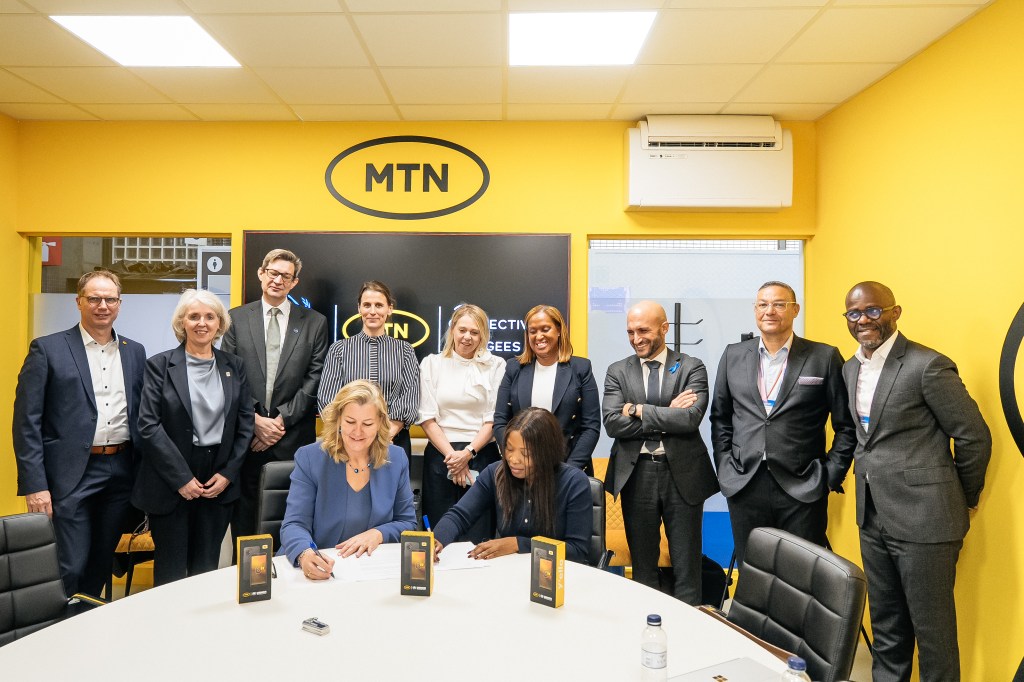
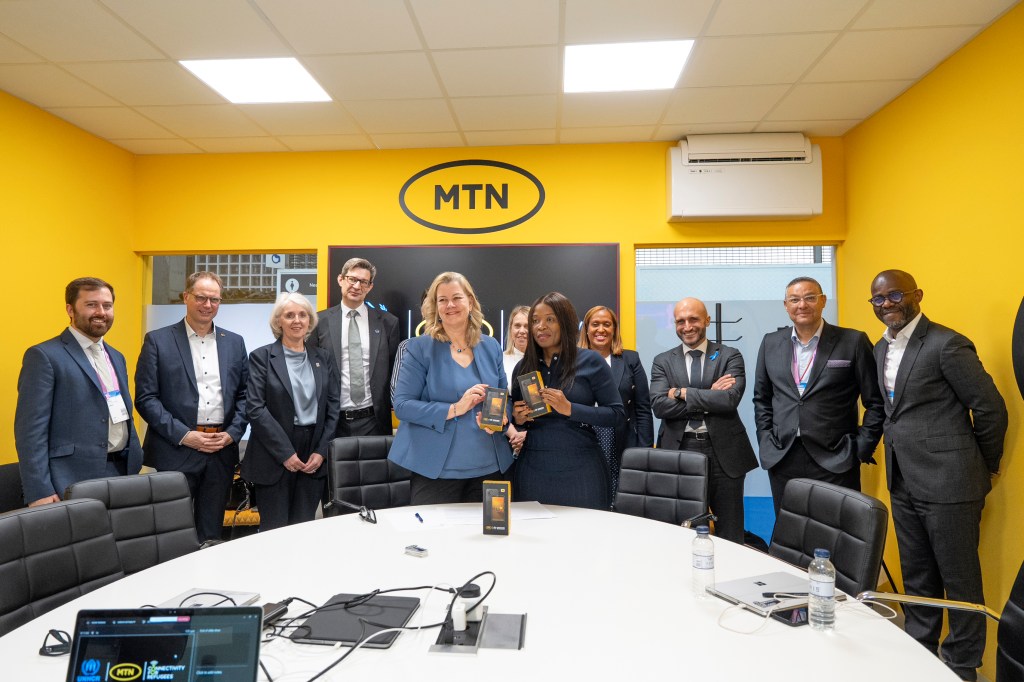
MTN Group signed a multi-year Memorandum of Understanding (MoU) with UNHCR, the UN Refugee Agency, to advance meaningful connectivity and digital inclusion for refugees, internally displaced persons (IDPs), asylum seekers and host communities across MTN’s markets.
Announcing the partnership, Nompilo Morafo, Group Chief Sustainability and Corporate Affairs Officer at MTN Group, said: “At MTN, we believe everyone deserves the benefits of a modern connected life”. Connectivity is not a privilege; it is foundational to dignity, protection and economic participation. When people are forced to flee, digital access becomes critical, it keeps families connected, enables access to assistance, and restores agency. This partnership reflects our conviction that inclusion must be intentional and systemic, especially for the most vulnerable.
Kelly T. Clements, UNHCR Deputy High Commissioner, added: “For displaced communities, digital access is essential to protection, resilience and opportunity. It allows people to receive lifesaving information, connect with support networks and rebuild their futures. MTN’s reach and scale across Africa make this collaboration a significant step toward closing the connectivity gap for millions.”
The partnership underscores a broader reality: in an increasingly digital world, connectivity is not secondary to humanitarian response, it is central to it. The agreement recognises a shifting humanitarian landscape across sub-Saharan Africa, where conflict, economic shocks and climate-related disasters continue to drive large-scale displacement. More than 20 million displaced people reside in markets where MTN operates. For many, exclusion is compounded by systemic digital barriers which include lack of recognised identification, unaffordable devices and data, limited broadband coverage, language constraints and low digital literacy. Without reliable connectivity, access to protection updates, humanitarian assistance, education, financial services and livelihood opportunities is severely constrained.
MTN and UNHCR are committed to making connectivity more affordable and accessible in refugee-hosting areas, expand resilient network infrastructure, and advance digital and financial inclusion through mobile money, remittance enablement and digital skills development. The partnership will also support pathways that address identity and literacy gaps, recognising that documentation and capability are often the first barriers to meaningful participation in the digital economy.
Beyond service provision, the collaboration aims to catalyse broader ecosystem change by mobilising funding and fostering multi-stakeholder partnerships that deliver measurable socio-economic impact. Implementation is expected to begin in Rwanda, Uganda and South Sudan, with a structured roadmap to scale across additional MTN markets hosting significant displaced populations. This collaboration is anchored in the ambitions of the Connectivity for Refugees initiative, that brings together international organizations, public and private sector actors towards a goal of advancing connectivity for 20 million forcibly displaced people by 2030.