
















Category: Media releases
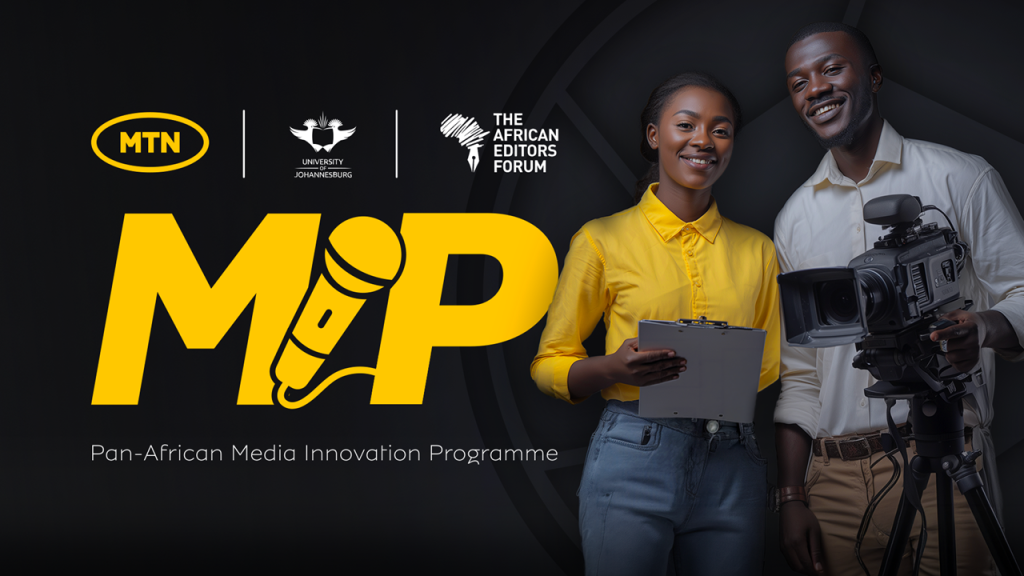
MTN Group, the University of Johannesburg (UJ) and The African Editors’ Forum (TAEF) today welcomed the first cohort of media practitioners to the MTN Pan-African Media Innovation Programme. This marks the start of a continental effort to strengthen journalism and build media institutions in a digital world.
The inaugural cohort to the six-week course is made up of 42 journalists, editors and media practitioners from 10 African countries. They come from print, broadcast, digital and independent newsrooms in South Africa, Nigeria, Rwanda, Eswatini, Ghana, Côte d’Ivoire, Cameroon, South Sudan, Zambia and Benin. Between them, they carry a working picture of how African media is changing.
Newsrooms are absorbing rapid technological shifts, audiences that behave nothing like they did five years ago, revenue models under strain, and the growing pull of artificial intelligence and global platforms. How journalism gets made, paid for and delivered is being rewritten – and newsrooms are expected to hold on to public trust and editorial integrity while it happens.
“Strong and independent media institutions are essential to informed societies as well as to Africa’s progress,” said Nompilo Morafo, MTN Group Chief Sustainability and Corporate Affairs Officer. “This first group is made up of people who already understand what African newsrooms are up against and can do something about it. MTN is providing the platform and the partnerships. Responsibility for the curriculum as well as the selection of participants sits with our academic partners.”
UJ selected fellows independently by using professional and academic criteria based on track record, commitment to ethical journalism, the ability to influence their own organisations, and a genuine appetite for media innovation. The selection also aimed to reflect the geographic and professional spread of journalism across MTN’s markets.
“The programme puts academic rigour alongside the daily realities media professionals actually face,” said Professor Sifiso Mnisi, Director of the Centre for Data and Digital Communications at UJ. “Fellows will interrogate how technology, audience expectations and commercial pressure are reshaping journalism – and then take that thinking back into their own newsrooms.”
The Pan-African programme builds on the MTN Nigeria Media Innovation Programme, established in 2022, which combines academic study with practical exposure to the institutions and issues shaping Africa’s media environment. This week, its fifth cohort is undertaking a week-long study visit to South Africa, engaging with leaders from academia, business, government and the media.
“The shrinking of democratic systems, the rise in attacks on press freedom, and the revolution in technology, all conspire against journalism in many ways than could be imagined, but they also present opportunities – opportunities that journalists who are aware and conscious of their responsibilities can take advantage of and turn positive,” said Emmanuel K. Dogbevi, the Vice President of TAEF during the virtual induction of the cohort. “We’re genuinely glad you’re here. The work ahead matters, its arduous, but must be done. Africa needs us. Africa needs impactful journalism now more than ever – you have the chance to learn to do it more effectively. Hold yourselves accountable to the facts, and as you do, serve the people, and uphold the standards.”
Six weeks, six areas of focus
The certified programme includes a six-week curriculum of online academic study, where fellows will work through:
- Pan-African media futures and storytelling
- Media innovation and entrepreneurship
- Digital transformation and platform economies
- Digital journalism, content strategy and analytics
- Media business strategy and sustainability
- Media ethics, law and governance in the digital age
Every fellow will also build a practical innovation project aimed at a real problem or opening in their newsroom or the wider sector. Beyond the curriculum, the intention is a standing Pan-African community of practice – fellows trading knowledge across markets, building relationships that outlast the six weeks, and shaping a broader conversation about where African journalism goes next.
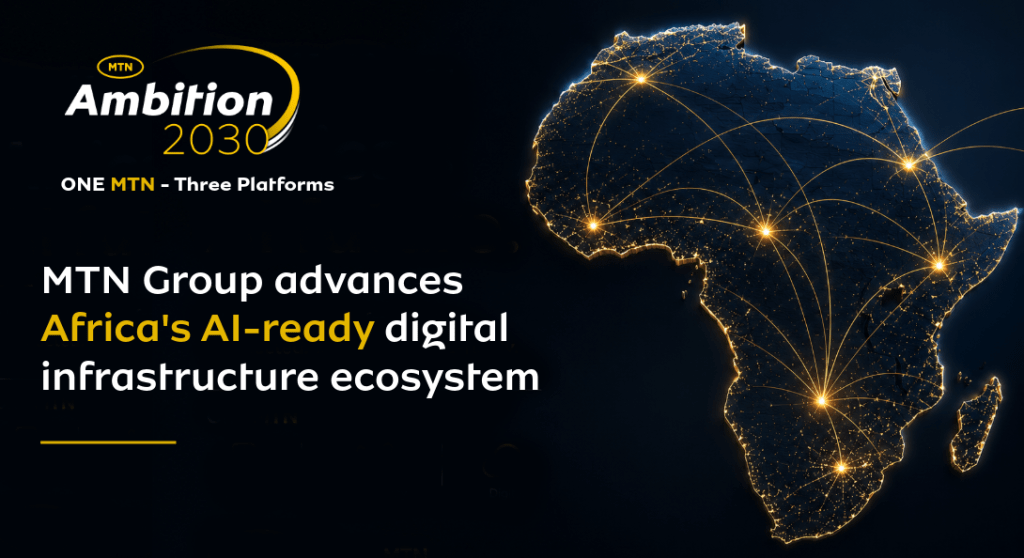
Artificial intelligence is reshaping industries, economies and societies at an unprecedented speed. As demand for cloud computing, AI workloads and data-intensive digital services accelerates, access to resilient, scalable and locally hosted digital infrastructure will become increasingly critical to Africa’s competitiveness and economic growth.
Against this backdrop, MTN Group today announced that MTN Digital Infrastructure has entered into a strategic partnership with UAE-based data centre investment platform to accelerate the development of AI-ready digital infrastructure platforms across Africa.
The partnership represents an important milestone in MTN’s Ambition 2030 strategy and reflects the Group’s commitment to enabling the infrastructure foundations required to support Africa’s next phase of digital transformation and economic development.
By combining MTN Digital Infrastructure’s extensive African footprint, market knowledge and infrastructure assets with specialist investment, development and operating expertise in the data centre sector, the partnership will help address growing demand for cloud, enterprise, digital and AI-enabled services across the continent.
The partners will pursue this strategic partnership through Africa Data Hub Holding Limited, which will serve as the platform through which future digital infrastructure opportunities will be developed and scaled across key African markets, with an initial focus on South Africa and Nigeria.
Bayobab, MTN’s digital connectivity business and a shareholder in the partnership, will provide open access connectivity and go-to-market support through its extensive pan-African network, enabling customers to access world-class digital infrastructure services across multiple markets. The UAE-based investment platform was founded by Mr. Tarek Al Ashram, an experienced data centre developer, operator and investor with an established track record across the Middle East.
“Africa’s digital economy is entering a new era, driven by rapid advances in artificial intelligence, cloud adoption and digital innovation. Realising this opportunity requires more than connectivity. It requires the infrastructure platforms that will power the next generation of digital services, businesses and innovation,” said Mazen Mroué, CEO of MTN Group Digital Infrastructure. “This partnership is a step forward in the execution of our digital infrastructure strategy and demonstrates the power of collaboration. Together, we are bringing investment, infrastructure expertise, connectivity and market access into a single platform capable of supporting hyperscalers, cloud providers, enterprises and technology innovators across Africa.”
“Over the past years, we have seen firsthand how the development of world-class data centre infrastructure can support the rapid growth of cloud, digital services and AI across the Middle East. Africa now presents a similarly compelling opportunity, driven by strong underlying demand, rapidly expanding digital economies and an increasing need for resilient and scalable infrastructure”, Mr. Tarek Al Ashram said. “We see significant potential to bring our experience in developing and operating large-scale data centre platforms to African markets, and Africa Data Hub Holding Limited provides the right platform through which to invest in and help shape that growth. Combining this experience with MTN’s extensive African footprint and deep understanding of its markets gives us a strong foundation from which to build and scale the platform across the continent.”
The partnership reinforces MTN’s focus on enabling open, scalable digital infrastructure that supports innovation, economic inclusion and long-term growth, while strengthening Africa’s position in the global digital economy.
MTN Group delivered strong growth, robust cash generation and increased returns in the first half of 2026. After launching the Ambition 2030 strategy to guide the next phase of MTN’s value creation, the Group also advanced various strategic initiatives – most notably the planned acquisition of tower group IHS Holdings and the launch of a share buyback programme.
On a pro forma basis, MTN’s proposed transaction to buy the remaining shares in IHS is accretive to revenue, profit after tax and adjusted headline earnings per share. The transaction has received approval from various regulators, including Nigeria’s Federal Competition and Consumer Protection Commission. As part of the conditional approvals, MTN will sell-down 30% of IHS Nigeria to local Nigerian investors, on an arms-length commercial basis and subject to market conditions. Subject to remaining regulatory approvals, MTN anticipates that the IHS transaction will close in the second half of 2026.
MTN announced the launch of a share buyback programme of approximately 31 million ordinary shares for an aggregate consideration of up to six billion rand. Subject to market conditions, the programme will continue for as long as it remains value accretive to MTN shareholders. The share buyback programme is part of the shareholder remuneration framework announced with the launch of Ambition 2030, of delivering between 40% and 60% of equity free cashflow to shareholders either in cash dividends or share buybacks.
In the first six months of 2026 and in constant-currency terms, MTN Group service revenue grew by 17.5% to R115 billion and earnings before interest, tax, depreciation and amortisation before once-off items expanded by almost a quarter to R56 billion.
Growth was led by MTN Ghana, MTN Nigeria, MTN Uganda, MTN Côte d’Ivoire, MTN Cameroon and the broader portfolio, while MTN South Africa’s 1.5% increase in service revenue reflected the near-term cost of deliberate management actions to improve the quality of its large prepaid customer base. In Q2 2026, MTN SA’s service revenue grew 2.3%, an increase from the 0.7% in Q1 2026.
“The Group’s overall performance in the period reflects strong conversion of the commercial momentum we see across our markets into growth in earnings, cashflow and returns. We are encouraged by the record margins delivered in the period as well as the strong cash upstreaming from operations,” said MTN Group President and CEO Ralph Mupita, adding that MTN committed almost R20 billion in capital expenditure in H1 to expand the mobile network, connect more homes and invest in modernisation of IT across the business.
Macro conditions were broadly supportive in the period. Blended average inflation slowed to 9.3% from 14.0% and the foreign exchange rates of MTN’s main markets were stable against the US dollar. However, against the rand, the currencies of most MTN markets weakened, detracting from earnings growth in rand terms.
Underlying demand for our services remained strong. At 30 June 2026, MTN served 317.7 million customers across 19 markets. Of these, more than 179 million were active data users who boosted the traffic carried by MTN’s networks by nearly 23% to 14.3 petabytes.
The fintech ecosystem continued to show strong growth, with the Group’s 70.8 million active Mobile Money users increasing demand for secure and convenient services and lifting the value of MTN fintech transactions by more than a third to US$330 billion. The volume of these transactions increased by 17% to 13 billion. The number of active agents grew to 1.4 million, and the number of active fintech merchants increased by more than 18% to 2.3 million. Advanced services led overall fintech revenue growth.
In a highly competitive market marked by constrained liquidity, MTN SA recorded a marginal decline in subscribers to 39.5 million. Most of these – 28.2 million – were prepaid customers.
“MTN SA’s prepaid performance was encouraging as we saw improving growth on data, fewer customers using airtime advance for recharging and increased bank recharges. The deliberate reset of the prepaid base will deliver higher quality base growth over time,” Mupita said. Good growth in the MTN SA postpaid, enterprise and wholesale businesses drove stronger growth in Q2 2026 versus Q1 2026.
On the prospects for the overall Group, MTN said increasing digital adoption and financial inclusion across Africa supported the long-term outlook for demand across the Group’s connectivity, fintech and digital infrastructure businesses.
“While geopolitical developments, foreign exchange volatility and inflationary pressures remain areas of focus, our diversified portfolio, strong balance sheet, strong market positions, and disciplined execution provide resilience,” said Mupita, re-affirming the Group’s medium-term guidance.

On International Youth Day, MTN is advancing its commitment to digital and economic inclusion with the launch of an AI-enabled Job Board feature on the MTN Skills Academy, giving learners access to job opportunities, high-demand courses and skills guidance on one platform.
The integration of learning, job discovery and application tracking distinguishes the feature from conventional job-search platforms focused primarily on vacancy listings. Rather than simply presenting available roles, the Job Board helps learners understand how their current skills align with employers’ requirements and identify courses that can help address specific gaps.
Africa is the world’s youngest continent, with more than 60% of its population under the age of 25. Yet many young people continue to face barriers to employment as demand for digital and technology skills grows. The International Finance Corporation, a member of the World Bank Group, estimates that more than 230 million jobs in sub-Saharan Africa would require digital skills by 2030.
The projection signals how extensively digital capabilities are expected to shape the future of work across the region and reinforces the need to connect training more closely with labour-market demand.
Commenting on the launch, Marina Madale, MTN Group Executive: Sustainability and Shared Value, said the 2026 International Youth Day theme captures the gap the Job Board seeks to address.
“This year’s theme, ‘Different Contexts, Common Aspirations’, reflects a reality we see across our markets. Young people start from different circumstances, but they share the need for relevant skills and clearer routes to opportunity. Across Africa, many are investing in their futures through learning and self-development, while employers are seeking the capabilities needed in an increasingly digital economy.
“Digital and financial inclusion becomes more economically meaningful when it helps people participate in the economy. Strengthening the path from skills to work requires action across business, government and education. For MTN, the Job Board gives further practical expression to our commitment to digital and economic inclusion by connecting learning, skills and opportunity.”
Available in 11 MTN markets in which the Skills Academy operates, the Job Board features vacancies from employers across Africa and recommends relevant roles based on each learner’s skills, location and career goals. Users can browse and filter opportunities, review job requirements, save vacancies and track their progress through the application, interview and offer stages. Where further development may strengthen their suitability for a role, the platform recommends relevant free courses available through the Skills Academy.
Launched in 2022, the MTN Skills Academy helps young people develop future-ready capabilities in digital literacy, coding, data analytics, artificial intelligence, cybersecurity, entrepreneurship, and other high-demand disciplines. The platform has already demonstrated significant reach and impact, recording nearly 526,000 enrolments, 192,000 course completions, and 1,122 specialisations completed across 11 markets.
The Academy incorporates accessibility-by-design features that enable people of all abilities, including those with visual, cognitive, neurological, mobility, and age-related needs, to access, navigate, and successfully complete learning pathways, advancing MTN’s commitment to digital inclusion for all.
Certified digital certificates enhance employability by enabling learners to demonstrate credible, authenticated achievements to prospective employers and other stakeholders.
By adding personalised job discovery to the Skills Academy, MTN is advancing its broader ambition to enable Africa’s digital future, extending digital inclusion beyond access and learning towards clearer pathways to economic participation.
Users can access the Job Board through the MTN Skills Academy in their market: https://skillsacademy.mtn.com/.
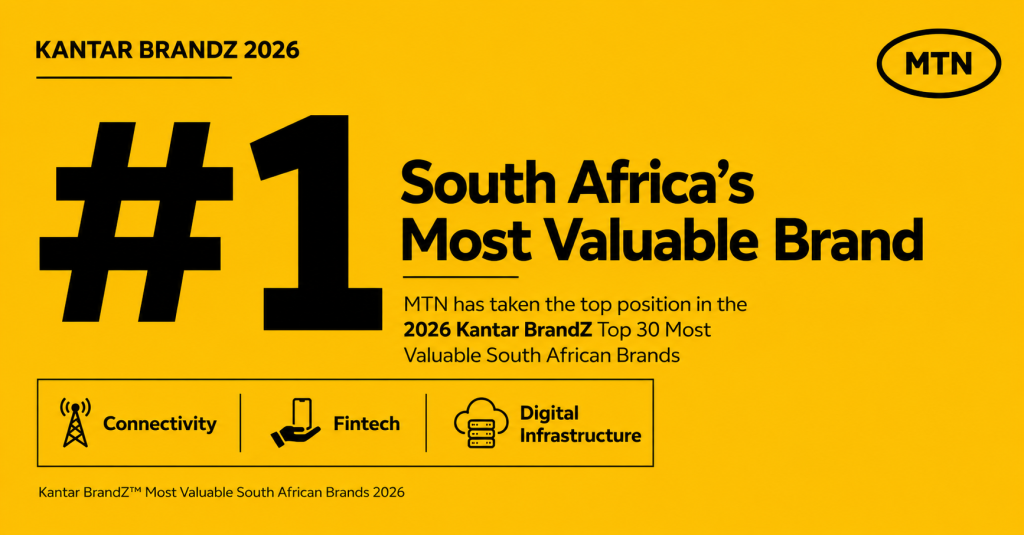
MTN has taken the top position in the 2026 Kantar BrandZ Top 30 Most Valuable South African Brands ranking, with Kantar valuing the brand at US$5.345 billion, an increase of 124% since 2024. The recognition reflects the strength of the MTN brand as the Group continues to expand access to connectivity, digital and financial services across Africa.
Produced by global research and analytics company Kantar, BrandZ combines financial performance with consumer perceptions to assess the value a brand contributes to its business and its potential for future growth. The 2026 South African study draws on the views of more than 49,000 consumers across 890 brands and 57 categories.
The recognition comes as MTN begins the next phase of its strategy under Ambition 2030, with a renewed focus on delivering a leading customer experience and extending digital and financial inclusion across Africa. For MTN, the ranking is both an acknowledgement of the confidence placed in the brand and a reminder that this confidence must continue to be earned through the experience and value it delivers.
“We appreciate this recognition and are grateful to our customers for the confidence they continue to place in MTN, and to our people and partners for the work that earns it every day,” said MTN Group President and CEO Ralph Mupita.
“As we deliver Ambition 2030, we remain focused on delivering a consistently better customer experience, extending digital and financial inclusion and creating meaningful value across our markets. By connecting people, businesses and communities, we will continue to support shared growth and Africa’s progress.”
The Kantar recognition follows Brand Finance’s 2026 rankings, which named MTN South Africa’s and Africa’s most valuable brand for the 13th consecutive year. Together, the findings provide independent recognition of the strength and continued relevance of the MTN brand.
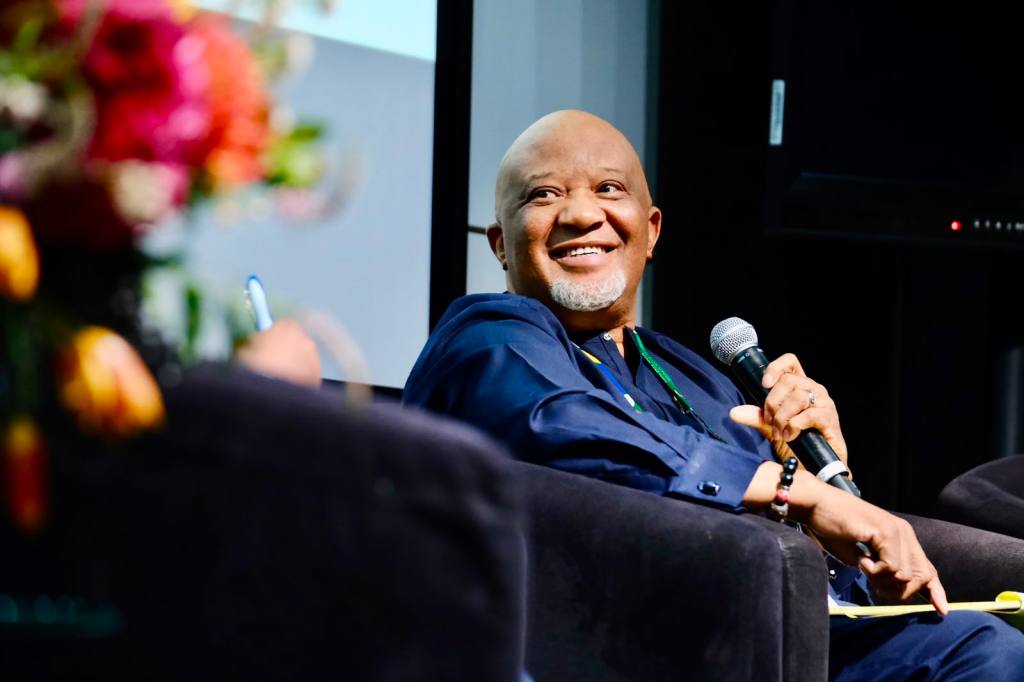
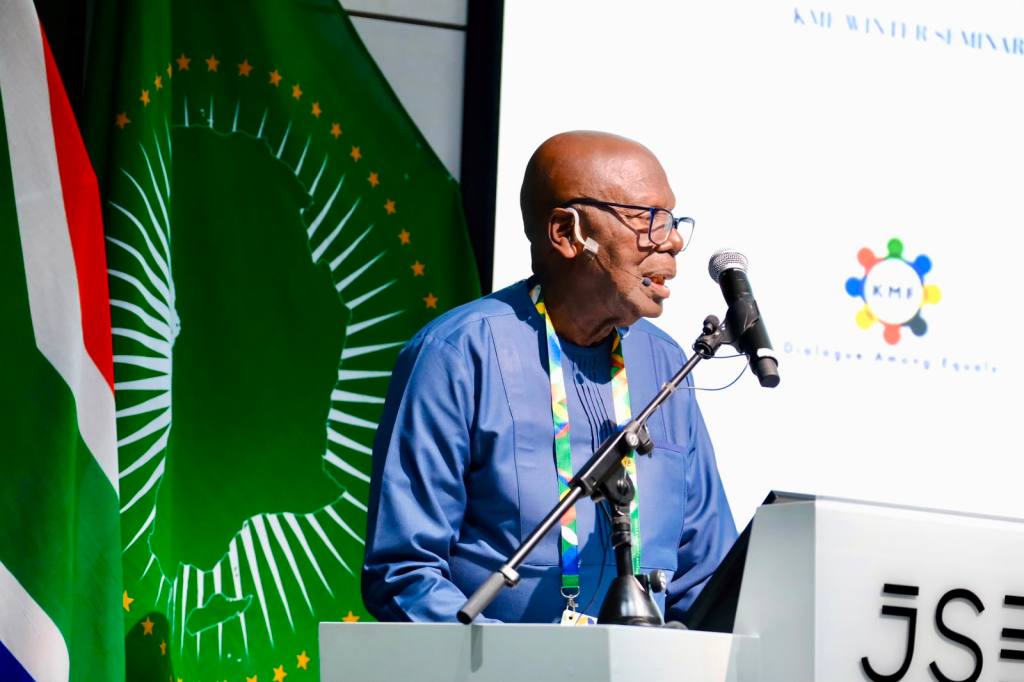
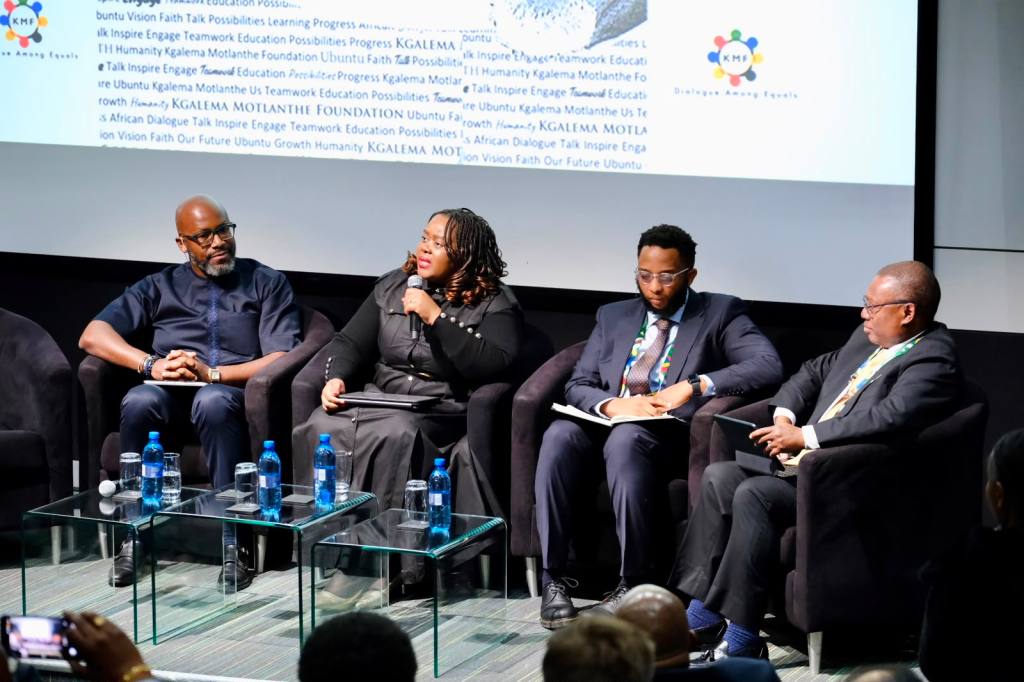
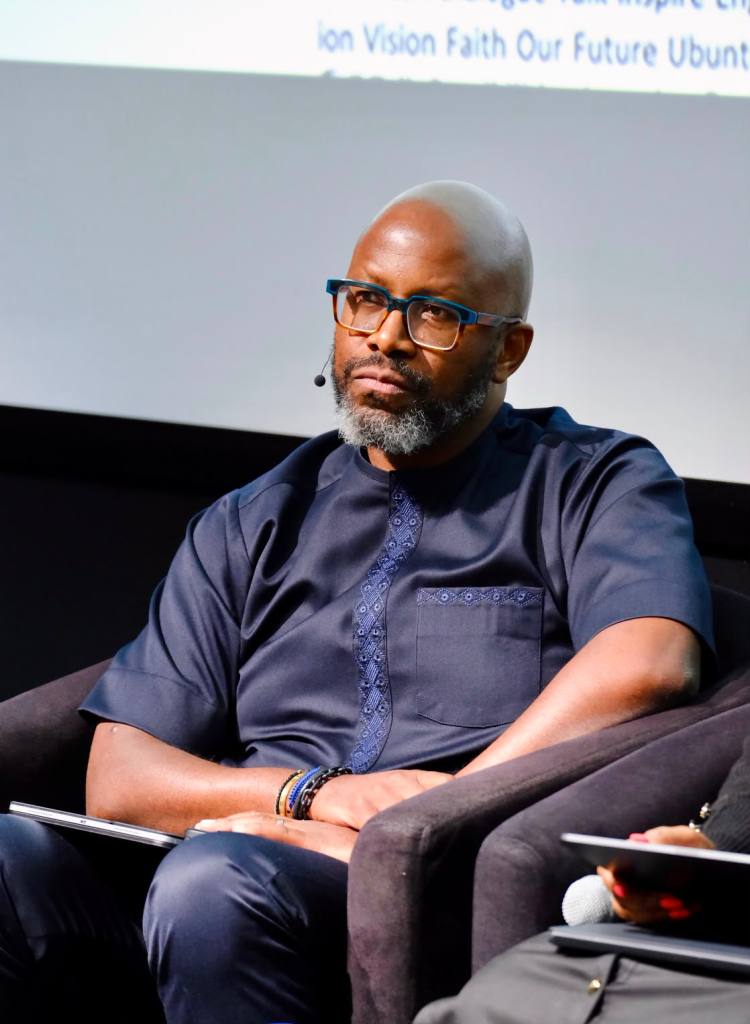
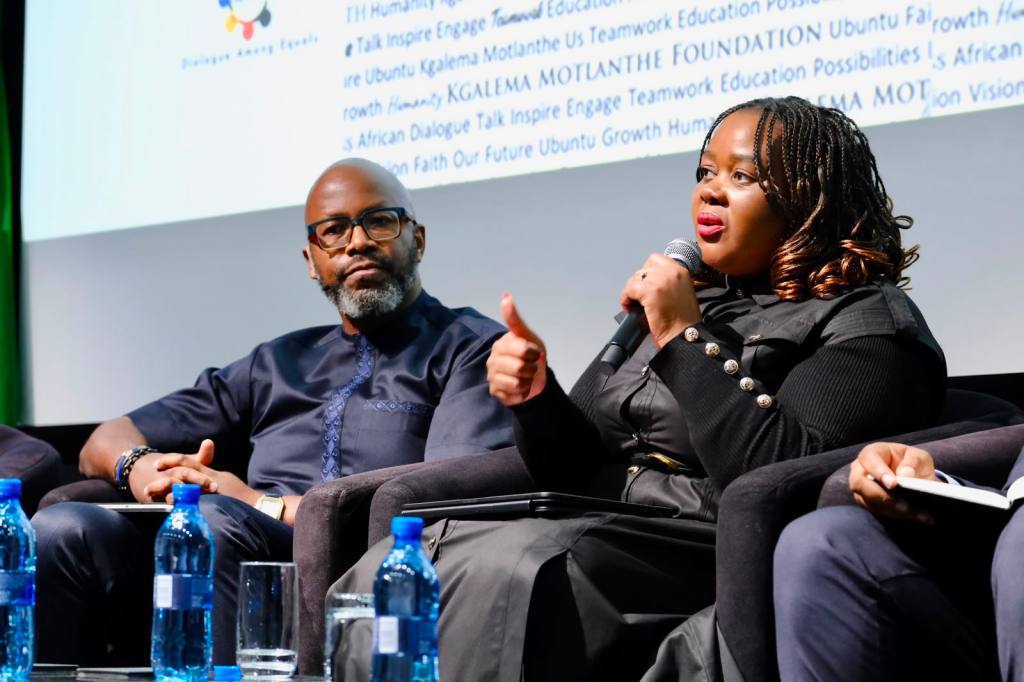

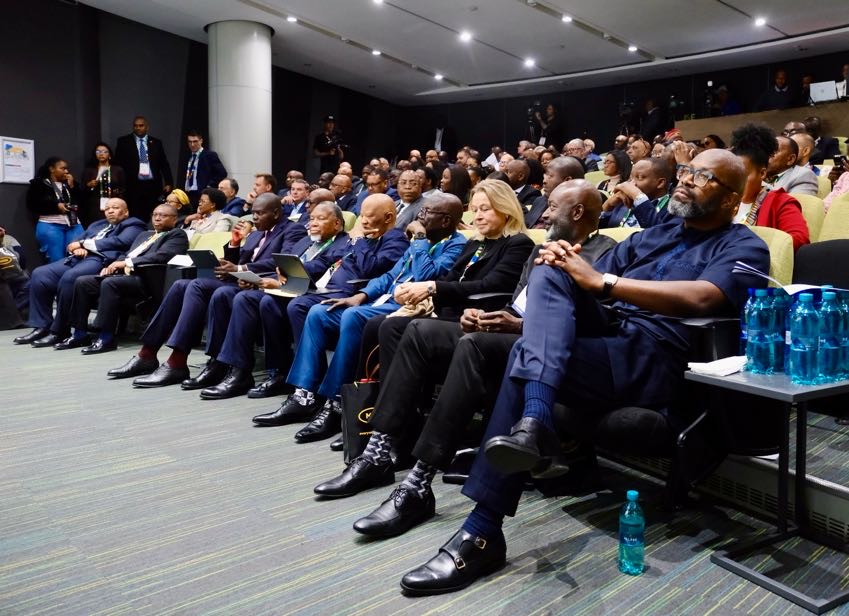
Africa’s long-term prosperity will depend less on how the continent responds to issues of migration and more on how it expands economic opportunity, strengthens regional integration and enables more people to participate meaningfully.
That was the key message from MTN Group President and CEO Ralph Mupita during the Kgalema Motlanthe Foundation (KMF) Winter Seminar, where leaders from government, business, the diplomatic corps, academia and civil society gathered to examine the relationship between migration, development and Africa’s future.
“The future of Africa will not be determined by the borders that separate us, but by the economic opportunities that connect us. Governments must set predictable policy and regulations. Businesses will follow and allocate resources and capital. Together, we can build a continent where opportunity is more evenly shared and prosperity is more widely created,” he said.
As a sponsor of this year’s KMF seminar, MTN Group believes platforms that bring together diverse perspectives are essential to building practical solutions to some of the continent’s most complex challenges.
Speaking during a panel discussion, Mupita said migration should not be viewed in isolation from the broader economic conditions shaping people’s lives and economic progress.
“If our discussion ends with the language of crisis around migration, we will have treated the symptom and missed the deeper challenge. People move because opportunity is unevenly distributed. The defining question is whether we can build economies in which mobility is matched by opportunity.”
He argued that Africa’s demographic advantage would only become an economic advantage if countries invested in the conditions that allow people to participate productively. These included skills, infrastructure, finance, markets and institutions.
“MTN was born in South Africa and has grown alongside the continent. Our prosperity is inseparable from Africa’s prosperity,” Mupita said, adding that digital infrastructure and services have become increasingly important enablers of economic participation. They connect people to each other, but also to education, entrepreneurship, financial and public services, and to markets.
This is why MTN continues to support platforms that encourage thoughtful, evidence-based dialogue on issues that shape Africa’s future.
“MTN believes that Africa’s strength lies in its connectivity – not only through networks, but through people, ideas and shared identity. This initiative is about building bridges, not borders,” Mupita concluded.
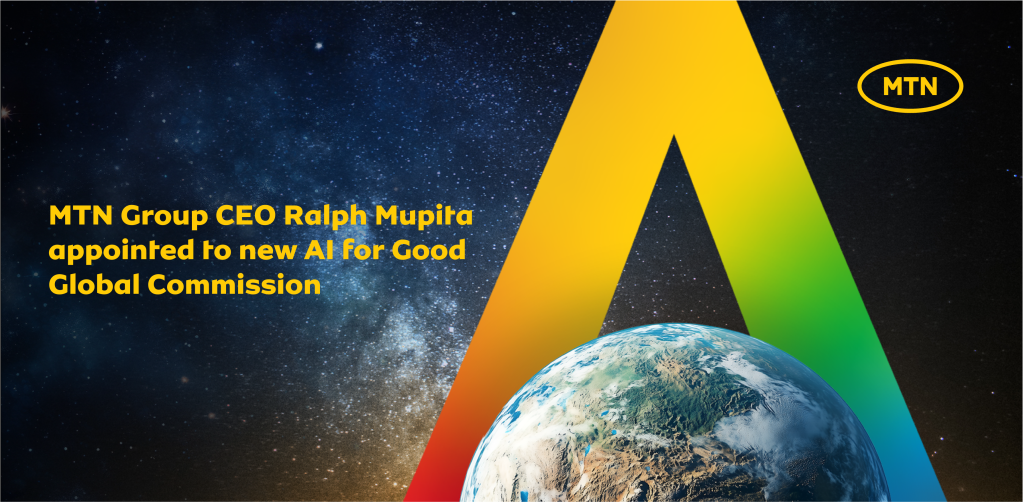
MTN Group President and CEO Ralph Mupita has been named as a commissioner on the AI for Good Global Commission, an initiative of the United Nations’ International Telecommunication Union charged with expanding digital access, strengthening trust and accelerating economic impact through responsible AI.
“It’s an honour to be one of the founding commissioners of the AI for Good Global Commission,” said MTN Group President and CEO Ralph Mupita. “At MTN Group we believe that the developments in AI have the potential to advance health, education, food security and industrial productivity. AI must be safe, ethical and globally inclusive. These perspectives align fully with the work of this Global Commission.”
Made up of more than 40 founding members, the Commission brings together leaders from government, business and international organisations to unlock AI’s potential. It builds on the Broadband Commission for Sustainable Development, which helped shape global priorities for extending digital inclusion and economic development.
The first meeting of the AI for Good Global Commission – which is co-chaired by Rwandan President Paul Kagame and Salesforce CEO Marc Benioff – will take place this week in Geneva, Switzerland. One of the MTN Group’s strategic priorities is to ‘leverage AI for growth’, targeting R30 billion in value-creation opportunities in the next three to five years.

MTN Group is pleased to announce the appointment of Jerry Soko as Chief Executive Officer of MTN Eswatini, effective 1 July 2026.
The appointment builds on a series of leadership announcements in the first half of the year, reinforcing MTN’s commitment to strengthening its leadership bench as it executes on its Ambition 2030 strategy.
“Under Jerry’s leadership, MTN Eswatini has regained strong momentum, improving performance, strengthening operational discipline, and deepening customer engagement,” said Ralph Mupita, MTN Group President and CEO. “His track record, combined with his understanding of our operations, positions him well to lead MTN Eswatini into its next phase of growth.”
Jerry is a seasoned telecommunications executive and qualified accountant with more than 20 years of leadership experience across the ICT sector in Africa. He has served as Acting CEO of MTN Eswatini for the past seven months, during which time he has stabilised and repositioned the business for sustainable growth. His tenure has reinforced the company’s relevance in the market and strengthened trust with stakeholders.
Jerry has driven a focused organisational agenda anchored on network competitiveness, customer experience and disciplined execution. His leadership has prioritised network resilience and reliability while embedding a more customer-centric culture across the organisation.
He has also strengthened operational efficiency, enhanced cash management, and fostered strategic partnerships that support Eswatini’s broader digital development ambitions.
A strong advocate for people and culture, Jerry has cultivated a high-performance environment grounded in accountability, agility and collaboration, while placing emphasis on leadership development and succession planning.
Jerry brings extensive experience from across the MTN footprint, having held senior leadership roles, including CEO and CFO positions, in Zambia, South Sudan, Botswana and Rwanda. He also serves on several boards in a non-executive capacity.
As MTN continues to evolve from a connectivity provider to a platform business, leadership continuity and capability remain central to delivering on its strategic priorities of connectivity, fintech and digital infrastructure.
Jerry’s appointment underscores MTN’s commitment to developing and appointing proven leaders from within its markets, while leveraging the scale and expertise of the Group to deliver inclusive digital progress across Africa.
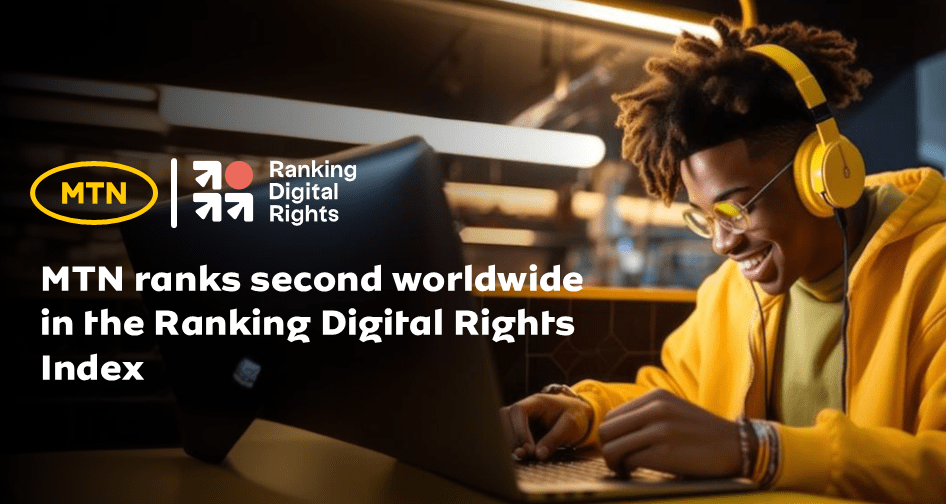
MTN Group, Africa’s largest telecommunications operator, ranks second globally in the 2026 Ranking Digital Rights Index – becoming the first telecommunications company headquartered in an emerging market to place among the top three performers worldwide.
This achievement marks a significant milestone in the Group’s efforts to strengthen transparency, governance and the protection of digital rights for citizens across its markets.
The RDR Index is widely regarded as a global benchmark for corporate accountability in the technology and telecommunications sector, evaluating how companies uphold fundamental human rights, including freedom of expression and privacy, through their policies, governance frameworks and public disclosures.
Against this global backdrop, MTN achieved a score of 42 out of 100, sustaining a strong momentum in improving transparency this assessment cycle. MTN climbed from sixth place in the previous ranking to second place.
Commenting on the Group’s performance, Nompilo Morafo, MTN Group Chief Sustainability and Corporate Affairs Officer, said: “Our progress in the Ranking Digital Rights Index reflects the deliberate steps we have taken to strengthen governance, enhance transparency and embed respect for digital human rights across our operations.”
MTN’s gains were driven by score increases across all three RDR categories marked by strengthened governance disclosures, the introduction of a comprehensive advertising content policy, and enhanced measures related to user data protection.
“Our journey on digital rights has been one of continuous evolution. As the landscape changes, we are deliberately adapting our approach, drawing on lessons from our experiences across markets and strengthening how we translate commitments into practical action,” Morafo added.
As Africa’s leading digital platform, MTN operates across diverse and complex regulatory environments, where balancing digital inclusion and human rights considerations is increasingly critical.
The company remains committed to strengthening transparency and disclosure practices, embedding digital human rights across all markets, enhancing governance and accountability mechanisms, and aligning with evolving global standards and stakeholder expectations.
“While we are encouraged by this progress, protecting digital rights is an ongoing responsibility,” Morafo said “We will continue refining our approach to address emerging risks and ensure our customers remain at the centre of how we operate”, she concluded.
As digital connectivity continues to expand, the Group will continue to play a leading role in ensuring that the benefits of a modern connected life are delivered responsibly, ethically and inclusively.
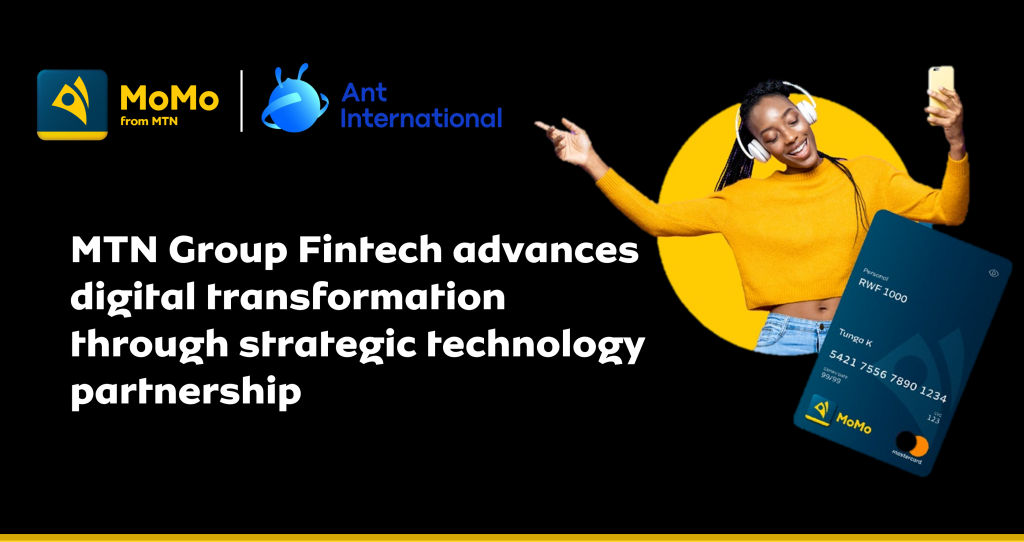
MTN Group Fintech has entered into a strategic partnership with Ant International, a leading global digital payment, digitisation and financial technology provider, to accelerate the transformation of its mobile money ecosystem.
The partnership, which is expected to launch in Nigeria next quarter, will introduce a super-app platform designed to enhance user experience, deepen digital inclusion and enable a next-generation ecosystem for digital finance, lifestyle and commerce services around MoMo.
By leveraging Ant International’s advanced technology, MTN is evolving MoMo to enable stronger ecosystem integration through a mini app platform, enhanced fraud prevention and richer engagement features for consumers and merchants. The partnership represents a major step in building a more resilient and future-ready digital ecosystem.
“This partnership aligns with MTN Group’s ambition of leading digital solutions for Africa’s progress by leveraging scale, technology and strong global partnerships,” said MTN Group President and CEO Ralph Mupita. “It reflects our commitment to transforming the customer experience at scale by delivering a more seamless, secure and intuitive MoMo platform that advances digital inclusion and expands economic participation.”
Douglas Feagin, President of Ant International, added: “We are proud to support MTN Group Fintech in advancing its transformation journey. By combining MTN’s deep market insight with our advanced technology capabilities, we aim to help create a more inclusive, secure and scalable digital financial services environment that benefits both consumers and merchants in-country.”
MTN Group Fintech CEO Serigne Dioum said: “This partnership marks an important milestone in our ambition to help shape Africa’s digital financial future through our One Big Tech strategy.”
The transformation is expected to significantly enhance the MoMo experience in Nigeria by enabling faster transactions, improved reliability and greater integration across financial and commerce services. Customers will benefit from a more intuitive and responsive application that supports payments, savings and value-added services within a unified digital environment.
Beyond improving everyday financial interactions, the initiative reinforces MTN Group Fintech’s commitment to advancing digital inclusion and economic empowerment in Sub-Saharan Africa, identified by the GSMA as the world’s most active mobile money region.
This transformation strengthens MTN Group Fintech’s position to help shape the future of digital finance by delivering accessible, intelligent and trusted financial services that support inclusive growth across the continent.