









Archives: Case Studies
Africa is a continent of immense potential, diversity, and innovation. As the world becomes more connected and technology accelerates change, the opportunity to shape digital transformation, financial inclusion, and inclusive growth across the continent has never been greater.
At MTN, we are playing our part through our three platform businesses: Connectivity, Fintech, and Digital Infrastructure; powered by the collective strength of our Y’ello family. To unlock this potential, we are evolving our human capital strategy through a powerful lens: hospitality for people.
This means designing a workplace experience where every MTNer is seen, heard, supported, and empowered in their unique context. It is about moving beyond traditional HR to intentionally create an environment that nurtures care, belonging, and performance-so our people can thrive, innovate, and deliver meaningful impact.
As we advance our Ambition 2030, we are reimagining how work gets done in an AI-enabled, digital-first world, building skills for the future, enabling inclusive growth, and fostering a culture where humanity and technology work in harmony.
For us, Hospitality Grade HR is underpinned by 4 distinct levers:
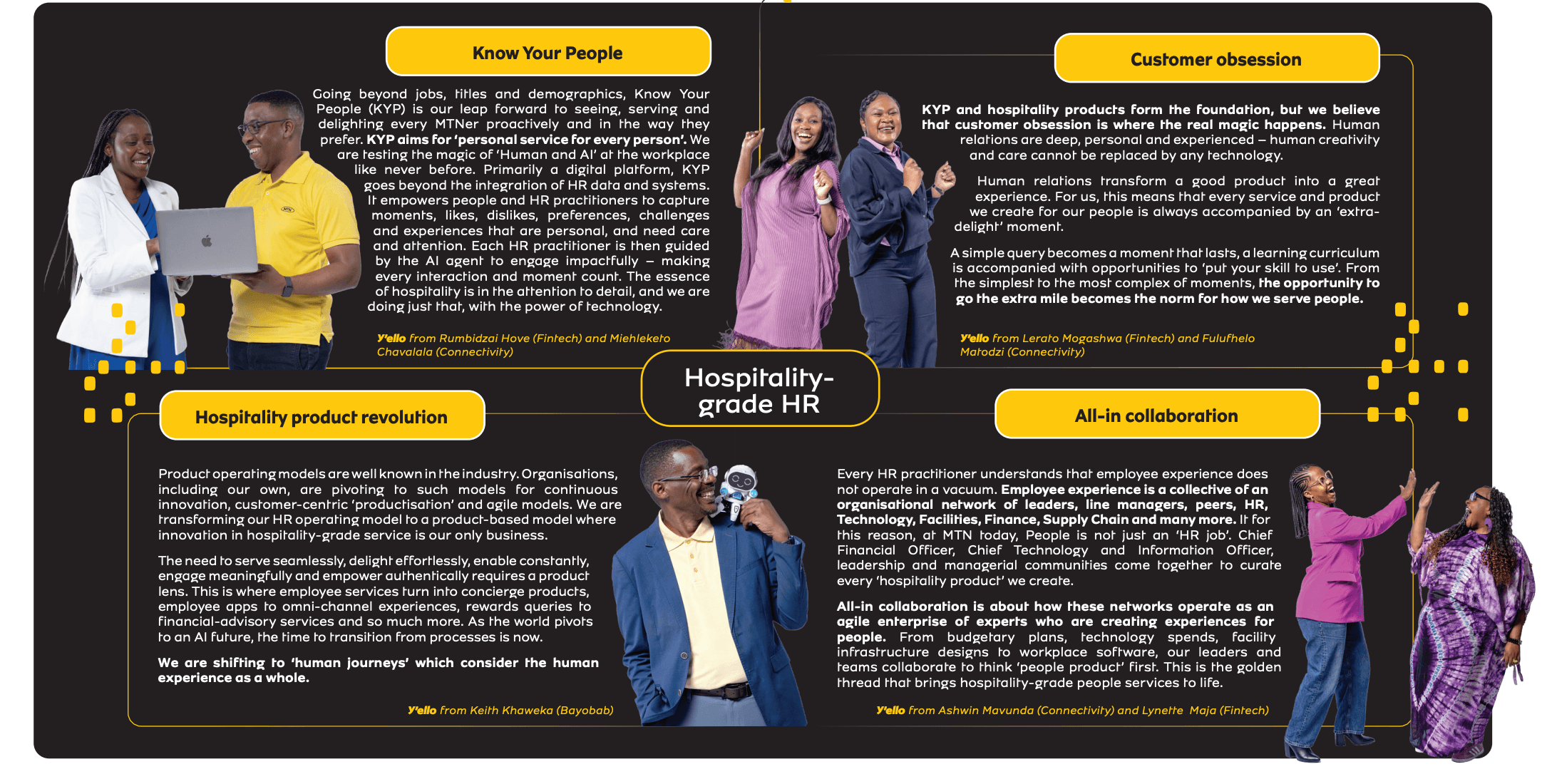
In this People Report, we share how our people, culture, and values are shaping a future-ready organisation.
Across Connectivity, Fintech, and Digital Infrastructure, MTN’s Employee Value Promise is not just a statement, it is a lived experience shaped by real markets, real people, and real impact.
What unites these diverse markets is not only what we deliver, but how we deliver it: with purpose, collaboration, and an unwavering commitment to meaningful impact.
This is where Live Inspired comes to life: where careers are shaped, ideas become innovation, and MTNers turn ambition into progress for millions across the continent.
Explore the strategic shifts we’ve made to:
-Empower our people through AI and digital solutions
-Evolve our product engineering models to drive speed and build critical capabilities
– Foster shared goals and team-based rewards
– Promote reverse learning through inclusive talent programmes
-Accelerate the development of a global talent pool aligned to our digital and AI agenda
Read more in our People Report- out now!
At MTN, we are working towards a gender-equal workforce by 2030. One where equality is reflected not only in representation, but across opportunity, leadership, and pay.
Gender pay parity is a core pillar of our Diversity, Equity and Inclusion (DEI) agenda. Since 2021, we have taken deliberate steps to close gaps through improved representation of women in senior and critical roles, targeted hiring, and structured pay adjustments. We also conduct annual, market-level pay assessments using globally recognised methodologies across salary, bonus, and total remuneration.
Our 2025 review, covering 15 countries and over 12,500 employees, shows continued progress, supported by stronger female representation and the impact of long-term incentive cycles. While gaps remain, underlying salary trends reflect gradual structural improvement driven by more equitable hiring and progression.
Read more in our People Report- out now!
Africa is a continent of extraordinary potential; driven by talent, diversity, and rapid digital growth. At MTN, our people are central to unlocking that potential across our 14 000+ strong workforce.
What is evolving is how we enable them?
We are increasingly using data and insight to guide how we build skills, plan for the future, and enhance the employee experience. This shift is helping us make more informed decisions- spotting opportunities earlier, responding faster, and strengthening how we support our people across our platform businesses.
From workforce planning to capability development and inclusion, a more connected view of our organisation is helping us design a smarter, more responsive approach to work.
The world of work is evolving at an unprecedented pace-shaped by AI, shifting expectations, and new ways of creating value. At MTN, we see this moment not just as change, but as an opportunity to fundamentally rethink how we support, empower, and enable our people.
In this piece, our Chief Human Resources Officer shares how we are transforming our human capital strategy-from traditional HR to a bold vision of “hospitality for people”, designed to help every MTNer thrive in a digital, AI-enabled future. It’s a story of leadership, inclusion, skills transformation, and the intentional choices shaping our workforce of tomorrow.
Discover how we’re building a workplace where technology is powerful-but humanity leads.
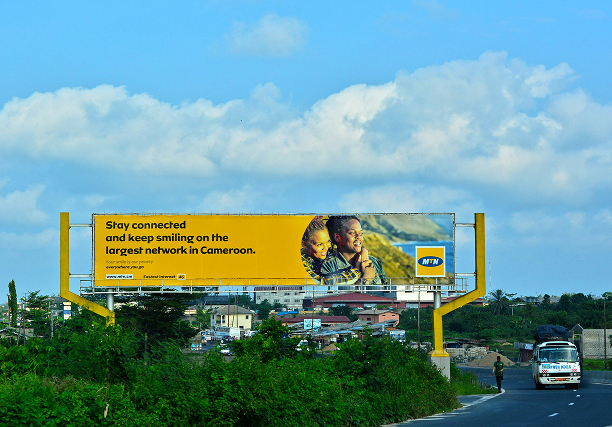
Election periods are widely recognised as times of heightened sensitivity for digital communications. Independent monitors – such as the Access Now #KeepItOn coalition – have reported that temporary internet restrictions or service disruptions may occur in some countries during elections, particularly where political tensions are high. These events, when they occur, affect all operators equally and can limit people’s ability to access information or communicate during important national moments.
In 2025, two of our markets, Cameroon and Côte d’Ivoire, held national elections. Ahead of both elections, we applied our human rights due diligence framework, which included comprehensive human rights impact assessments, social and political context monitoring and the development of election readiness approaches. These processes enabled us to identify potential risks, support our teams in affected markets and put in place measures to safeguard network integrity, staff security and user rights.
In Cameroon, external observers noted reduced internet availability in certain parts of the country around the election period. While we do not influence decisions relating to national network restrictions, we maintained strong internal co-ordination, monitored service performance closely and ensured our engagements with authorities followed established lawful processes. Elections in Côte d’Ivoire were largely peaceful and we followed the same readiness and due-diligence procedures to support responsible and proportionate decision making. Across both markets, our actions were aligned with international human rights standards.
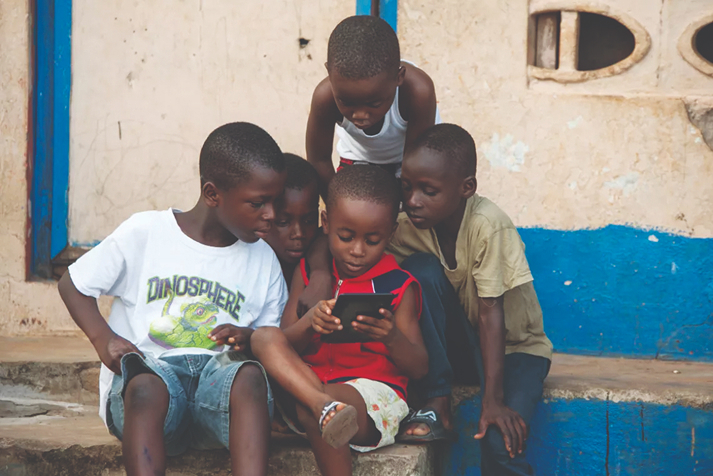
In 2025, MTN Ghana conducted digital human rights roadshows across all business divisions, focusing on teams whose decisions most directly affect human rights outcomes. The sessions strengthened understanding of MTN’s Digital Human Rights Policy and employees’ responsibilities as custodians of safe, responsible connectivity. However, we recognised that long policy documents were not always accessible or engaging in a fast-paced work environment. This created an opportunity to reinforce learning through a scalable, easy-to-consume format that employees could revisit at their convenience. The initiative sought to deepen understanding of MTN’s digital human rights commitments, strengthen risk awareness and support SDG 16 (Peace, Justice and Strong Institutions), SDG 4 (Quality Education) and SDG 10 (Reduced Inequalities).
What we did
A concise script was developed, drawing on the Digital Human Rights Policy and key issues such as child online safety, child sexual abuse material, responsible data use and the challenges encountered in addressing these risks. This formed the basis of a five-minute AIgenerated shortcast, which underwent several rounds of refinement to ensure clarity, accuracy and engagement. The Regulatory and Compliance team, Corporate Services and the digital production team collaborated on content and design, while HR Internal Communications distributed the shortcast via email. Executive assistants amplified it across divisional and departmental WhatsApp groups to maximise reach.
Outcomes and impact
The roadshows and shortcast collectively strengthened employee understanding of MTN’s digital human rights commitments. In 2024 and 2025, more than 500 employees were reached through in-person roadshows and the first Deep Dives episode reached over 1 000 staff and contract employees via email and WhatsApp. The shortcast provided an accessible summary of MTN’s Digital Human Rights Policy and highlighted ongoing initiatives, including MTN’s partnership with the Internet Watch Foundation to filter child sexual abuse material at network level. Early feedback indicated greater interest in digital safety issues and a more proactive approach to identifying and escalating risks.
Lessons learnt
Employee engagement improves when digital human rights messaging aligns with broader thematic observances. October’s cybersecurity month proved an effective launch window. Future editions will be timed to coincide with Safer Internet Day (February 2026) and Privacy Week (January–February 2026) to reinforce key messages during periods of heightened awareness.
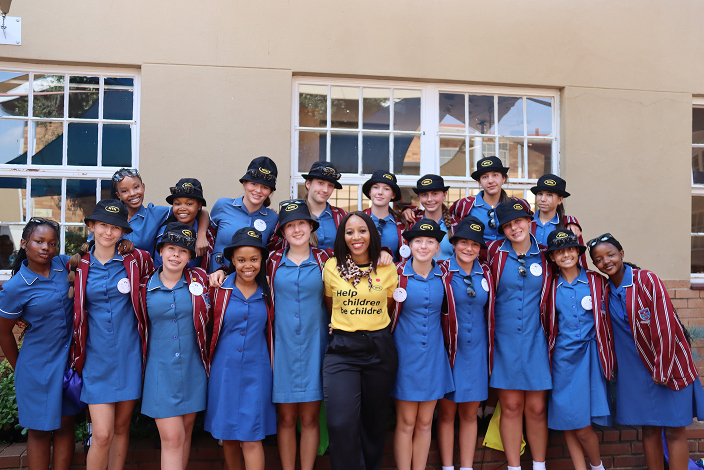
In 2025, MTN advanced its Help Children Be Children (HCBC) campaign through the Bona Bana Programme, MTN South Africa’s flagship child participation initiative. The programme strengthened children’s digital human rights through youth-led learning, advocacy and institutional capacity building. South African children continue to face serious online risks. UNICEF’s Disrupting Harm study found that 7–9% of internet-using children had experienced online sexual exploitation or abuse, while many schools lacked the skills and resources to respond. Bona Bana addressed this gap by embedding practical digital literacy in schools, strengthening safeguarding approaches and enabling meaningful youth participation.
What we did
The programme was delivered through two core initiatives, facilitated by Moxii Africa (formerly Media Monitoring Africa). First, 246 Representative Council of Learners (RCLs) aged 12–17 completed two-day workshops across five provinces, covering AI and algorithms, cyberbullying, CSAM, responsible communication and harmful content. Second, trained Web Rangers worked with teachers to reach a further 1 217 learners through peer-led sessions, with teachers noting stronger learner engagement when messages came from peers. Web Rangers also supported awareness campaigns during key national moments, reaching an additional 1 626 learners and engaging parents. In parallel, the Article 12 policy working group produced youth-led research and advocacy outputs, including work on climate disinformation, contributions to an M2O* policy brief, a comic on AI and disinformation, and a podcast series for 16 Days of Activism. Media Development and Diversity (MDDA), South African Police Services (SAPS) and the Films and Publication Board (FPB) supported delivery through expertise, resources and policy linkages.
Outcomes and impact
Bona Bana strengthened digital literacy, improved school safeguarding practices and supported more confident parent engagement. Building on results from the 2024 model that informed 2025 delivery, 2 424 learners were reached across seven provinces, along with 35 teachers and five school governing body members. Feedback indicated 95% of teachers felt better equipped to address online harms and schools began strengthening online safety content in safeguarding policies. The Article 12 Working Group also deepened collaboration with policymakers and digital platforms.
Lessons learnt
The programme revealed the importance of multilingual materials, deeper engagement with school governance structures and diversified funding for policy work. Overall, Bona Bana demonstrated a scalable, child-centred approach to digital inclusion and will inform future efforts to protect children online while advancing their digital human rights. Read more Child online protection continued * Media 20 (M20) is the official G20 youth engagement initiative focused on media, journalism and information integrity.
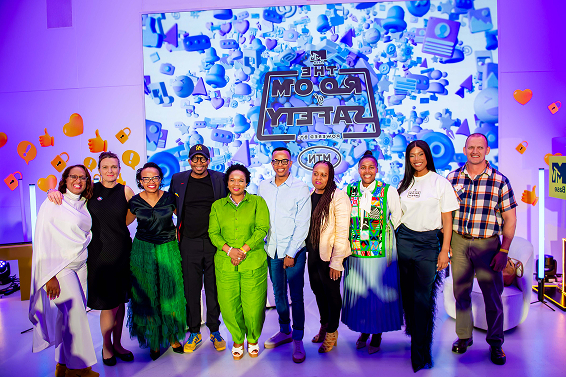
Young people across our markets increasingly rely on digital platforms for learning, social connection and entertainment, while facing rising risks such as cyberbullying, exposure to harmful content, coercive peer dynamics and misuse of AI-generated companions. Educators, caregivers and youth reported feeling overwhelmed and uncertain about how to navigate these risks. In response, MTN created the Room of Safety campaign, designed as a youth-led, culturally relevant intervention that moved beyond awareness messaging to promote safer behaviours, clearer reporting pathways and stronger protection for vulnerable users.
What we did
MTN partnered with MTV Base to co-create a 10-part short-form series that premiered on 20 July 2025 on DStv 322 and digital platforms. Youth creators, influencers and experts shaped the scripts and storylines to maintain authenticity, with relatable language and realistic online dilemmas. Each episode addressed themes like online harms, digital peer pressure, AI companions, positive digital behaviours and available reporting mechanisms. Audiences were directed to national reporting portals, child helplines and MTN’s Help Children Be Children platform. MTN Group and all Opcos collaborated on amplification, supported by Ipsos research to refine messaging and understand youth behaviour.
Outcomes and impact
The campaign reached millions of young people across the continent through television and digital channels. Young participants involved in the filming process described feeling “seen”, empowered and proud to use their voices to help others stay safe online. In addition, the series equipped young people with practical tools to recognise risks, report harmful behaviour and make safer choices online. Educators and caregivers also noted that the campaign opened conversations about online safety at home and in schools. The initiative enhanced awareness of child-protection portals and reinforced MTN’s leadership role in advancing online safety and digital human rights.
Lessons learnt
Effective youth engagement requires genuine agency rather than top-down messaging. Youth-led storytelling proved more relatable and impactful. The campaign underscored that connectivity without protection can increase vulnerability, reinforcing the need to embed safety features, clear reporting pathways and cross-sector partnerships in all future youth initiatives.
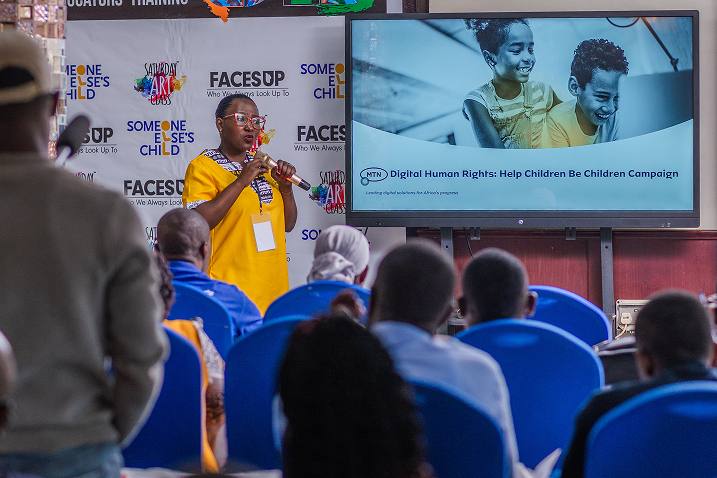
Uganda’s rapidly digitising education landscape continues to widen the gap between children’s growing online exposure and teachers’ ability to protect them in digital spaces. Many primary school educators lack the confidence and practical skills to address risks such as cyberbullying, harmful content, data misuse and unsafe digital behaviour. MTN Uganda saw the need and developed a program to equip frontline educators with practical competencies to uphold digital human rights and foster responsible digital citizenship from an early age, in line with MTN’s Ambition 2025 strategy and SDGs 4, 9, 10 and 16.
What we did
MTN Uganda partnered with Faces Up Uganda to integrate a digital human rights module into the Art for Educators Program. A one-day, skills-based workshop was delivered to 30 primary school teachers in Rubaga Division, Kampala, focusing on recognising online risks, protecting children’s privacy, embedding online safety into lessons and supporting learners who experience harm. MTN provided funding, digital safety materials and technical guidance, while Faces Up Uganda contributed its arts-based pedagogy and facilitation expertise.
Outcomes and impact
Thirty teachers were trained, each expected to reach approximately 2 000 learners annually with improved guidance on safe and responsible internet use. Teachers reported greater confidence in identifying cyber risks and integrating digital safety into routine lessons. Schools showed early shifts towards more responsible device use and stronger engagement with parents on online safety, strengthening community awareness and rights-respecting practices.
Lessons learnt
Teachers need continuous support to keep pace with evolving online risks. Integrating digital safety into an existing, trusted programme proved more effective than standalone training. Lasting impact depends on engaging the wider ecosystem around the child, including parents and school leadership, while partnerships between business and civil society enable scalable, practical models for child online protection.