


Tag: Foundation news
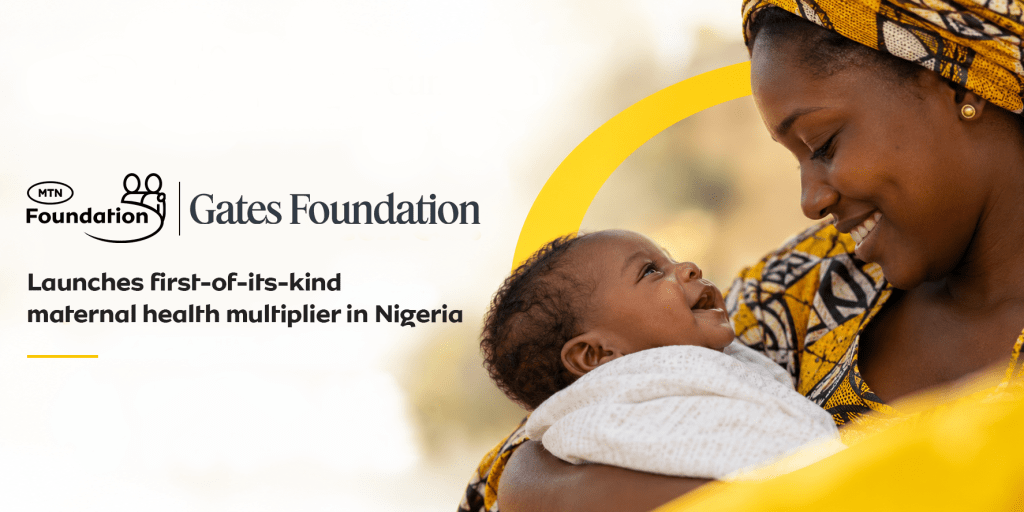
Partnership aims to help 500,000 women in Nigeria access higher-quality maternal health care by 2030
MTN Group Foundation (MTN) and the Gates Foundation today announced a strategic partnership to launch the Nigeria Maternal Health Multiplier, a first-of-its-kind initiative in Nigeria to improve maternal health outcomes through an integrated digital ecosystem that connects women, frontline health workers, and primary health care facilities.
By 2030, the initiative aims to help 500,000 women access trusted health guidance, equip 5,000 frontline health workers with tools to identify complications from pregnancy and childbirth early, and enable 500 health facilities to deliver more consistent, higher-quality maternal health care.
The platform is designed to complement Nigeria’s ongoing maternal and child health reforms. It will expand equitable access to high-quality maternal health care through three components: AI-enabled, phone-based decision support tools for both frontline health workers and mothers, affordable smartphones and mobile data, and improved connectivity at health care facilities. By strengthening access to timely information, care, and follow-up services, the initiative aims to help more women receive quality maternal health care throughout pregnancy, childbirth, and the postnatal period, particularly in underserved communities.
The world has made real progress on maternal survival, cutting deaths by 40% since 2000. But that progress has stalled, and where a woman lives still shapes whether she survives childbirth. In sub-Saharan Africa, that risk is roughly 250 times higher than in Western Europe. While Nigeria has made real progress in reducing maternal deaths over the past decade, a large burden remains to be addressed: The country accounts for nearly 30% of all maternal deaths worldwide. Many of these deaths are preventable, but with only 59% of women completing four or more antenatal care visits, warning signs often go undetected until it’s too late. Both the scale of that challenge and the urgency it represents are why Nigeria was selected as the first market for implementation of the Maternal Health Multiplier.
“For too long, the biggest barrier to improving service delivery in Nigeria, whether in health, agriculture, or education, has not been a lack of innovations, but a lack of focus on the foundational systems necessary to drive adoption,” said Dr. Bosun Tijani, Nigeria’s minister of communications, innovation, and digital economy. “Partnerships like this reflect the kind of collaboration we want to see more of in Nigeria—one that puts the country’s digital transformation to work for the people who need it most.”
The Maternal Health Multiplier is designed to be affordable, reliable, and consistent, and it builds on Nigeria’s flagship Maternal and Neonatal Mortality Reduction Innovation Initiative (MAMII), which is being deployed by the Federal Ministry of Health under its Sector-Wide Approach (SWAp). It will combine:
- Connected devices that give frontline health workers access to real-time guidance, helping them catch warning signs and respond with confidence
- Affordable phone and data access for pregnant women, so cost isn’t a barrier to using the digital health tools
- Improved connectivity at primary health care facilities, so care doesn’t depend on where a woman happens to live
“Strengthening primary healthcare and empowering the frontline health workers who deliver it are core to our health sector reforms,” said Dr. Muhammad Ali Pate, Nigeria’s coordinating minister of health and social welfare. “Partnerships that work with our existing health systems, rather than around them, are exactly what’s needed to reach mothers who are still falling through the cracks. We welcome this collaboration and look forward to it strengthening the work already underway.”
The four-year partnership was announced at Semafor’s Next 3 Billion event, on the sidelines of the 81st session of the United Nations General Assembly in New York. It begins with an initial investment of approximately US$25 million between 2026 and 2030, including direct and in-kind contributions from the Gates Foundation and MTN. This anchor investment is intended to catalyze additional funding and support future expansion into other markets over time.
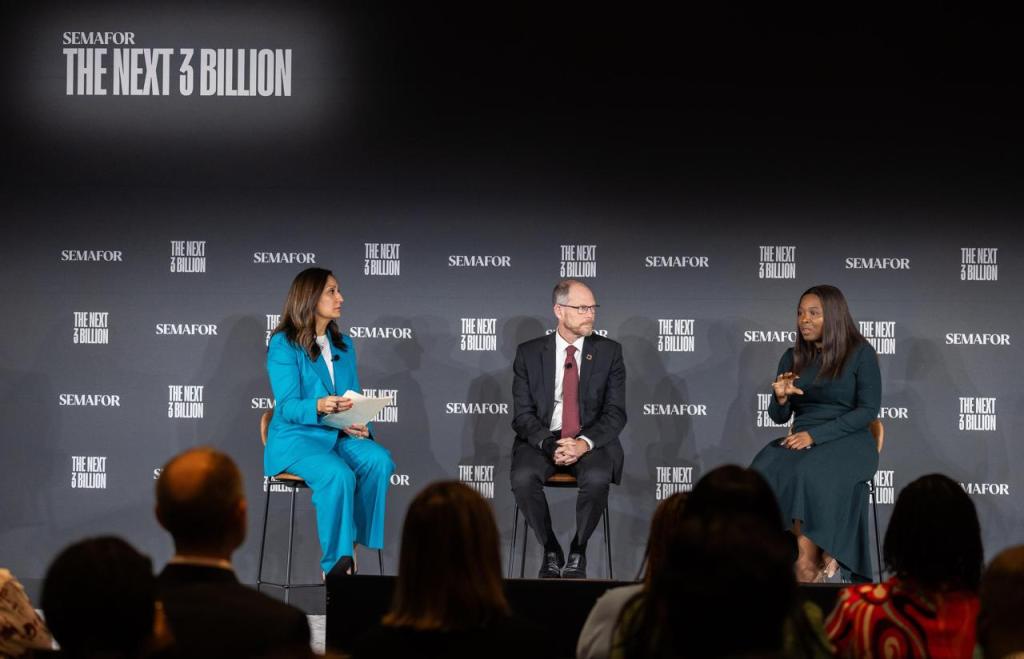
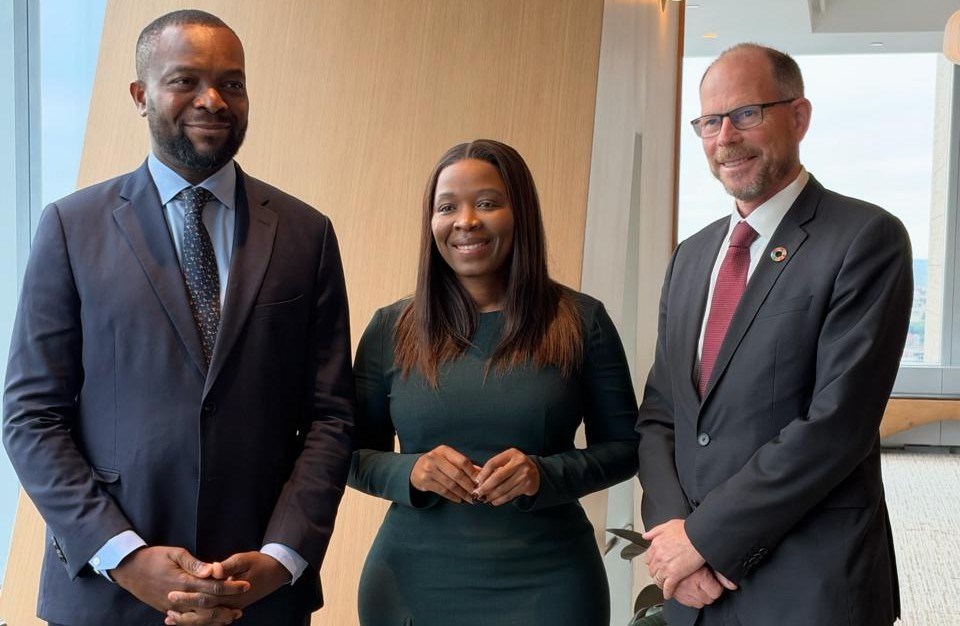
“The future of maternal health depends on ensuring that every mother, regardless of where she lives, can access the support she needs to make informed decisions throughout her journey. Technology is creating unprecedented opportunities to make healthcare more personalised, predictive and accessible,” said Ralph Mupita, MTN Group president and CEO. “As artificial intelligence evolves, we can put trusted, locally relevant health insights directly into the hands of mothers and healthcare professionals, tailored to their unique needs and languages. Starting in Nigeria, our ambition is to demonstrate a scalable model for improving maternal and child health outcomes across Africa. The true value of innovation lies in its ability to improve lives and create better futures for generations to come,” he concluded.
The partnership brings together MTN’s connectivity infrastructure, digital inclusion capabilities, mobile financial services, device distribution networks and local market execution expertise with the Gates Foundation’s deep experience in maternal, newborn, and child health, digital health innovation, responsible AI, and evidence-based scale-up.
“AI has enormous potential to improve health, but only if its benefits reach the people who stand to gain the most,” said Mark Suzman, CEO of the Gates Foundation. “Left to the market alone, potential tends to benefit those who can already afford it, not the people who need it most. That’s where philanthropy has a role to play: not as a substitute for investment, but as a catalyst for it. Programs like the Maternal Health Multiplier are creating AI tools for and putting them into the hands of Nigerian mothers and frontline health workers, helping keep moms and their babies healthy.”
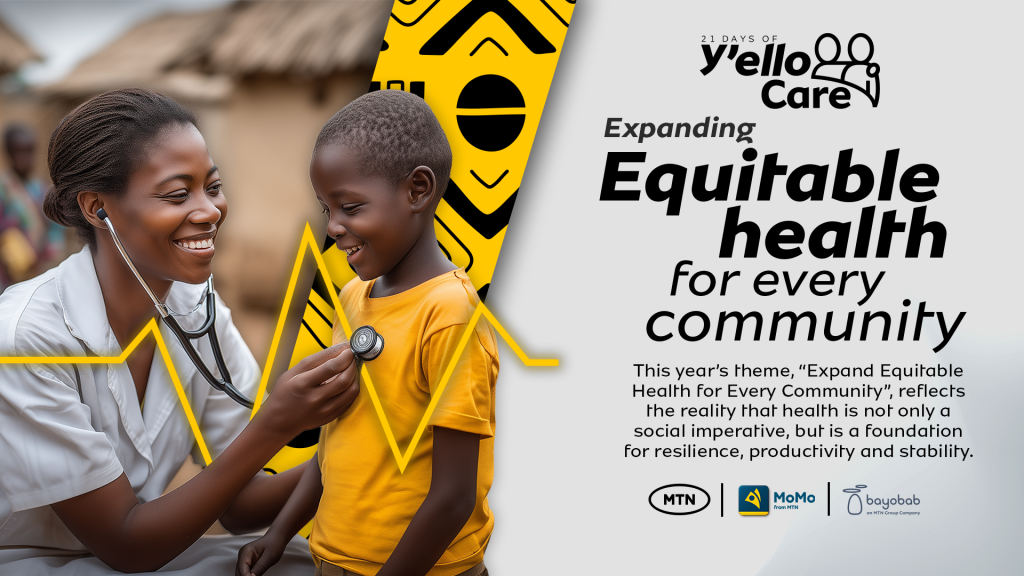
MTN Group is pleased to announce the 2026 edition of 21 Days of Y’ello Care, our flagship employee volunteerism campaign, taking place from 1 to 21 June 2026.
Now in its 19th year, Y’ello Care demonstrates the power of employee-led action in driving meaningful impact across the communities we serve. Since its inception, the campaign has mobilised thousands of MTN employees to support initiatives from education and healthcare to youth development and economic empowerment.
Each year, the campaign responds to the most pressing needs of our communities, guided by our purpose of leading digital solutions for Africa’s progress.
This year’s theme, “Expand Equitable Health for Every Community”, reflects the reality that health is not only a social imperative, but is a foundation for resilience, productivity and stability. It is also fundamental to inclusive economic growth.
This has become more urgent following the outbreak in the Democratic Republic of the Congo and Uganda of the Bundibugyo strain of Ebola. This strain has no licensed vaccine or specific treatment. The outbreak highlights the need for stronger preparedness and surveillance. It also underscores the requirement for greater community trust and more robust frontline health systems.
“Health risks do not stop at borders. This reminds us that Africa’s future will be shaped by our ability to act together early, decisively, and at scale,” says MTN Group Chief Sustainability and Corporate Affairs Officer Nompilo Morafo.
Structural healthcare challenges remain significant across the continent, which carries approximately 25% of the global disease burden but has only 3% of the world’s health workforce. The greatest access gaps are in rural and underserved communities[1], disproportionately affecting women, children and vulnerable populations.
Equitable access to healthcare is critical to enabling full participation in social and economic progress. For MTN, it is also directly linked to expanding dignity and opportunity.
Across MTN’s markets during Y’ello Care 2026, employees and partners will implement practical community-led initiatives to expand access to preventative, primary and responsive healthcare. These interventions will leverage MTN’s connectivity, digital platforms, and partnerships to scale access and strengthen long-term health system resilience.
Among our planned activities are mobile clinics; community outreach programmes; digital health education; telemedicine-enabled services; screening and prevention initiatives; and the use of data and digital tools to enhance service delivery.
Digital technologies – including AI and data analytics – strengthen healthcare systems by improving diagnostics and clinical decision-making, as well as access to care. They can enhance outcomes, improve quality-adjusted life years, and support disease surveillance and outbreak response[2]. At scale, they could unlock US$200–360 billion in global healthcare savings through greater efficiency[3].
“From AI-enabled diagnostics and disease surveillance to telemedicine and data-driven decision-making, digital innovation gives us a powerful opportunity to extend quality healthcare to underserved communities,” says Morafo. “It also enables improved access, outcomes and system resilience.”
Over the past six years, Y’ello Care has reached more than 107 000 people through the efforts of over 14 000 volunteers, contributing over 56 000 hours of community engagement. These build on MTN’s broader contribution to Africa’s progress, including the connectivity and platforms that extend digital and financial inclusion, as well as the investment in infrastructure, technologies and people that support innovation and growth.
For more information about 21 Days of Y’ello Care and MTN’s commitment to social development, please visit MTN Group or follow MTN Group on social media.
[1] McKinsey and Africa CDC
[2] World Health Organization
[3] McKinsey


On Thursday, 23 April 2026, the world marks International Girls in ICT Day, a global call to action to ensure girls and young women can study, work and lead in technology. This year’s theme, “AI for Development: Girls Shaping the Digital Future,” is timely because Africa’s economic future will increasingly be determined by whether its young people, especially young women, can convert digital access into job‑relevant skills, and skills into income and enterprise.
Why this matters now: Africa’s digital economy is growing, but the skills gap is the constraint
Across Sub‑Saharan Africa, the digital economy is expanding but the binding constraint is not ambition; it is readiness. Research anchored in IFC analysis suggests over 230 million jobs in Sub‑Saharan Africa will require digital skills by 2030, creating nearly 650 million training opportunities and an estimated $130 billion digital skilling market through 2030.
At the same time, Africa’s ability to fully capture this opportunity is hindered by a persistent access‑to‑use gap: GSMA reports a 60% mobile internet usage gap in Sub‑Saharan Africa, people who live within coverage but are not using mobile internet, driven by barriers such as device affordability and digital skills deficits.
For girls and young women, the urgency is even sharper. UNICEF has warned that in low‑income countries around 90% of adolescent girls and young women do not use the internet, underscoring the risk of a widening gender gap in opportunity as economies digitise.
In other words, the question is no longer whether Africa will digitalise, but whether Africa, especially its young women, will participate as builders and earners, not only users.
MTN’s approach: Digital Skills for Digital Jobs
At MTN, Girls in ICT Day is not only about awareness, it is about outcomes. Through the MTN Skills Academy and related digital training initiatives, MTN is building a learning‑to‑earning pathway that connects digital training to employability and entrepreneurship, equipping young people with practical skills aligned to a fast‑changing digital economy, including emerging fields such as AI, automation and digital innovation.
This is the essence of a Digital Skills for Digital Jobs approach: not simply offering content, but creating structured pathways that build capability, confidence and progression, from foundational literacy, to specialisations, to work readiness, to jobs and enterprise.
This year, we spotlight three young women whose journeys show what becomes possible when skills are linked to real opportunity.
Britney Alicia Prema Berinyu Moukoko (Cameroon): From skills to systems‑level leadership
Britney is a visionary young leader and social entrepreneur from Cameroon, currently pursuing a degree in Computer Engineering at the American University of Beirut as a Mastercard Foundation Scholar. As a member of Skolar, an initiative of the MTN Foundation Cameroon focused on digital inclusion, she distinguished herself as the youngest participant and second‑prize winner of the inaugural MTN Skills Academy in Cameroon.
The Academy equipped Britney with advanced technical and professional competencies that continue to shape her academic and humanitarian journey, strengthening her STEM foundation while building strategic problem‑solving, digital project management, and collaborative leadership tools. Today, she channels these capabilities into real impact.
She is the Founder of the Bright Future Builders Initiative, which has reached more than 10,000 young Cameroonians through education programmes, tech bootcamps and economic empowerment initiatives. She also serves as a teenage girl advisor for the FRIDA Fund and previously represented Sub‑Saharan Africa as a TechGirls spokesperson at the U.S. Department of State.
Britney’s story illustrates a powerful point about Africa’s digital future: when young women gain job‑relevant digital skills, they do not only access opportunity, they create it, scale it, and advocate for others to enter the digital economy with them.
Kgothatso Sebopelo (South Africa): From qualification to workplace entry
Kgothatso Sebopelo, a 26‑year‑old from the Setete section of North‑West Province, South Africa, is a standout alumna of the 2025 Digital Skills for Digital Jobs Programme. Designed to equip youth from previously disadvantaged communities with critical ICT capabilities, the programme offers a MICT SETA‑accredited qualification in Network and Systems Administration (NQF Level 5).
Kgothatso distinguished herself through exceptional discipline. Beyond completing the core qualification, she went further by completing 46 additional courses through the MTN Skills Academy, earning additional certification from the Academy. Following graduation, she secured an internship as an IT Specialist at Taletso TVET College.
Kgothatso’s journey demonstrates why “Digital Skills for Digital Jobs” must be the standard: training only matters when it shifts real labour market outcomes, moving young people from learning into credible work pathways, particularly in communities where opportunity has historically been uneven.
Rahima Nansamba (Uganda): From digital skills to entrepreneurship and community impact
At 23, Rahima is building a platform that merges digital empowerment with community wellness. Based in Kampala, Uganda, she is the Founder of She Wellness & Digital Impact Hub, an initiative focused on digital skills development, wellness advocacy and youth empowerment.
Rahima completed the MTN Skills Programme through Smart Girls Uganda in 2024, gaining exposure to digital skills and entrepreneurship fundamentals. The programme strengthened her confidence to navigate online platforms, build a brand and conceptualise sustainable digital ventures. Since then, she has expanded her capabilities through further training in innovation, creativity and transformation, time management, strategic planning, and public speaking. Operating as a solo Founder while collaborating with volunteers and creatives, Rahima is growing her hub as a space where young women can access digital knowledge, build confidence and explore income‑generating opportunities.
Rahima’s story highlights another dimension of the digital economy: the pathway is not only employment, it is also enterprise. Digital skills can unlock entrepreneurship, enabling young people to create ventures that serve communities and participate in the economy as job creators, not only job seekers.
Building a digitally inclusive future: from access to opportunity
International Girls in ICT Day is a reminder that talent is universal, but opportunity is not. Africa’s digital future depends on whether connectivity is matched by capability, especially for girls and young women. With the continent facing a widening digital skills gap and a persistent usage gap linked to affordability and skills, building structured, job‑relevant pathways is no longer optional, it is a strategic investment in competitiveness and inclusive growth.
The stories of Britney, Kgothatso and Rahima show what becomes possible when young women are equipped not only with connectivity, but with the confidence and competence to participate in the digital economy as learners, earners and entrepreneurs.
As Africa’s transformation accelerates in the era of AI, empowering girls in ICT is not only a matter of equity, it is a direct lever for innovation, resilience and economic participation at scale.
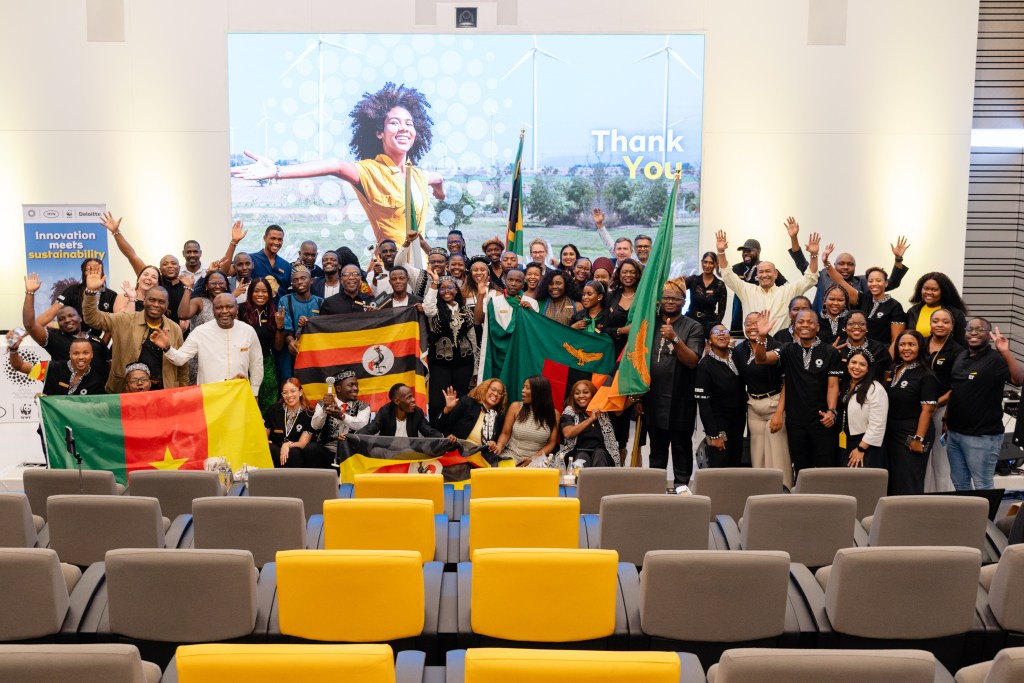
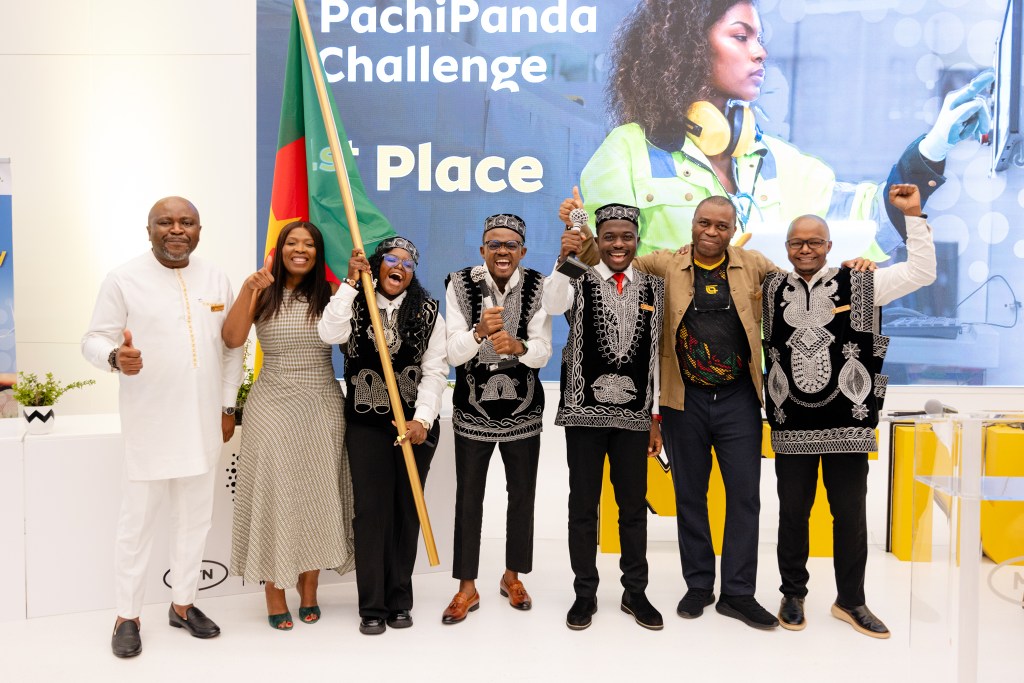
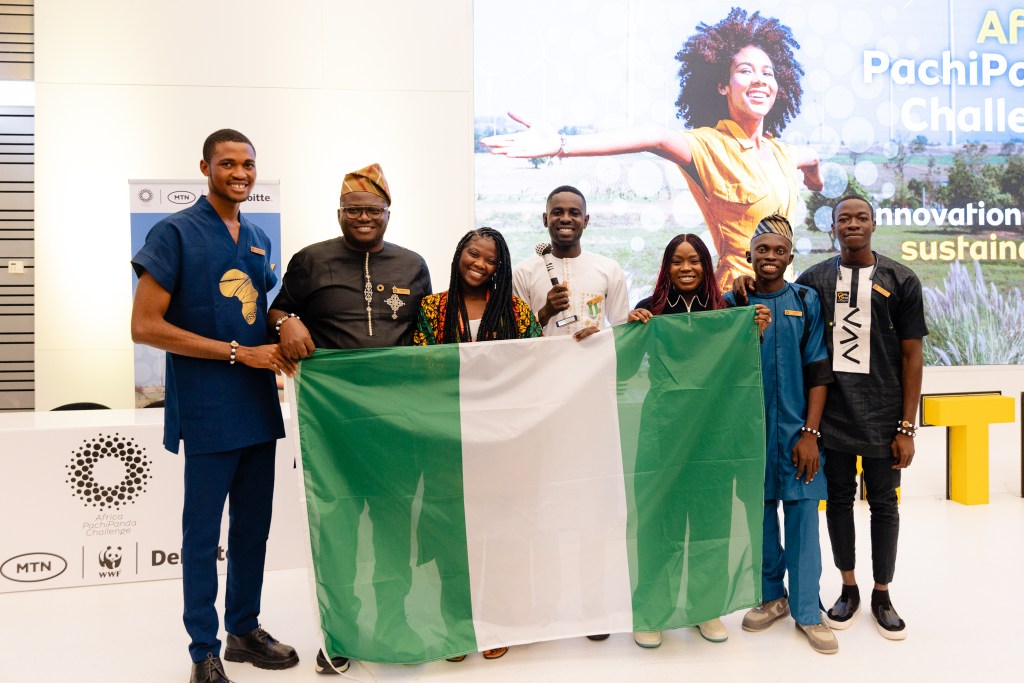
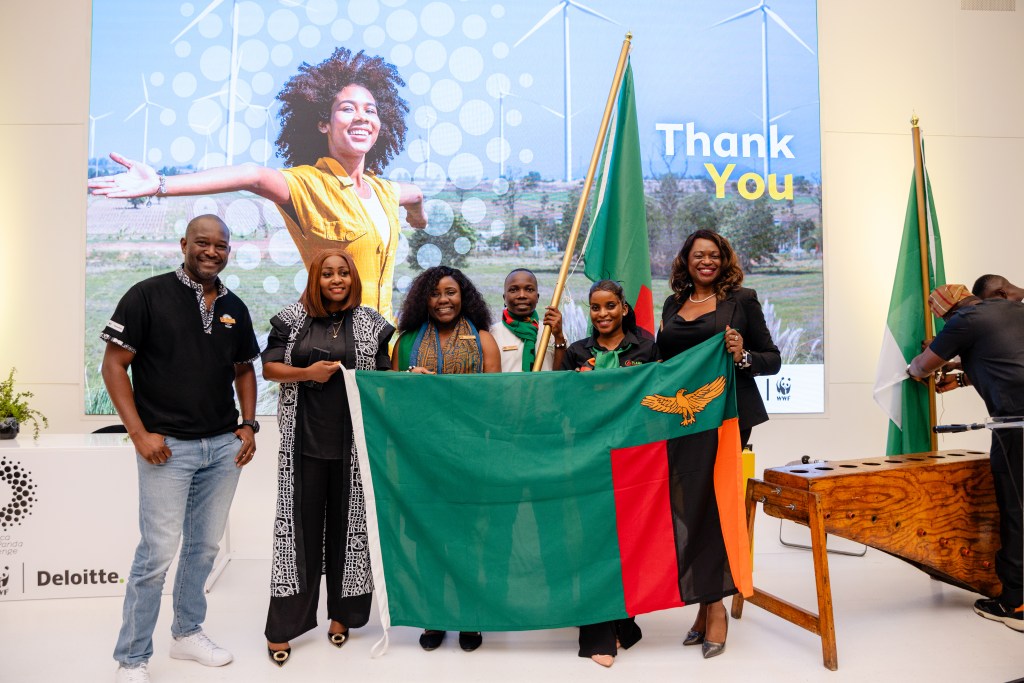
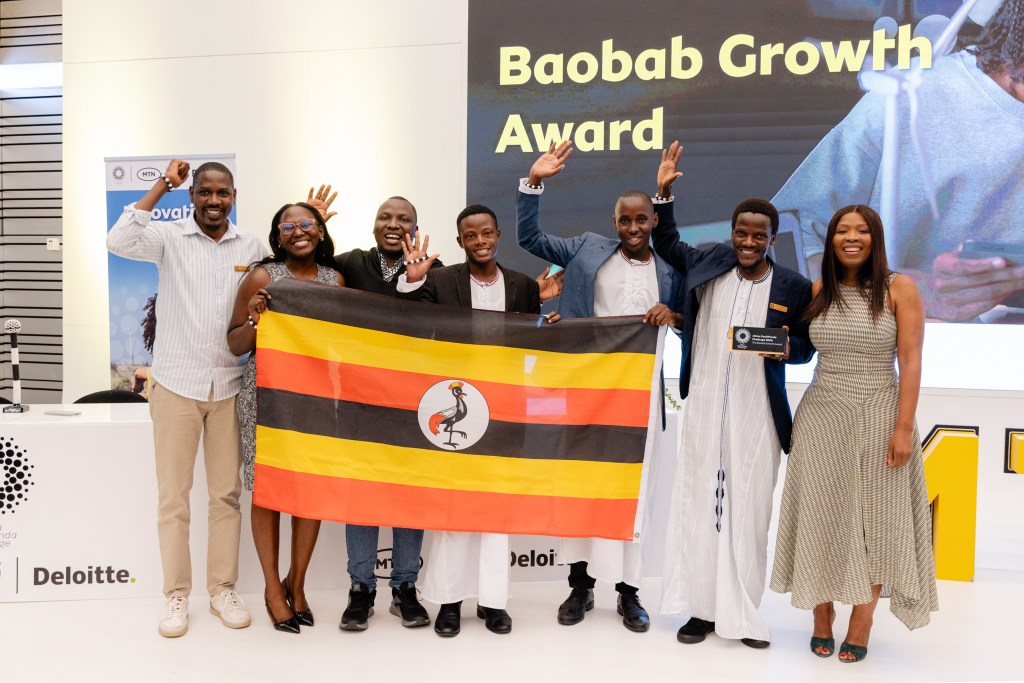
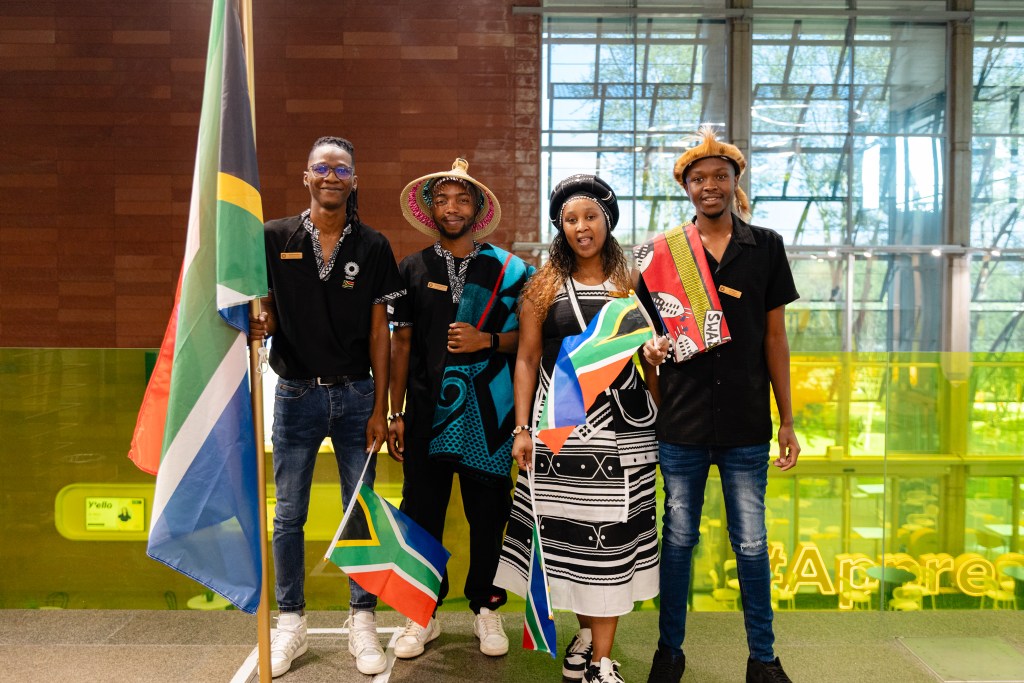
MTN, together with the World Wide Fund for Nature (WWF) and its strategic partners, has announced the winners of the 2025 Africa PachiPanda Challenge, concluding a continent-wide search for scalable, youth-led environmental enterprises driving Africa’s green economy.
Hosted at the MTN Innovation Centre in Johannesburg this week, the finale marked the culmination of a highly competitive process that attracted 2,484 youth-led small and medium enterprises from across multiple African markets. Guided by the theme, “Nourishing Tomorrow: Innovation for Food, Energy and Water Security,” the Challenge spotlighted commercially viable solutions addressing systemic environmental pressures while advancing inclusive, low-carbon growth.
Arnaud Njita of Cameroon won first place for nTron STEM Kit, converting plastic waste into 3D-printing filament for STEM education; Ndaman Joshua Olayinka from Nigeria secured second for BuyScrap, a tech-enabled e-waste recycling platform; and Bill Agha of Cameroon placed third for AgriCheck, a climate-smart digital agriculture solution. Together, they reflect the strength of youth-led innovation driving circular economy and climate resilience across Africa.
“Africa’s youth are not just responding to the climate challenge – they are shaping the solutions,” said Nompilo Morafo, MTN Chief Sustainability and Corporate Affairs Officer. “Through the PachiPanda Challenge, MTN is backing youth-led innovation that can scale environmental impact and unlock economic opportunities that could help enable long-term resilience for communities across the continent.”
The Challenge reflects the scale of opportunity within Africa’s climate economy. Agriculture remains central to employment yet constrained by land degradation, limited irrigation and climate volatility. At the same time, Africa’s renewable energy and water potential remains significantly underdeveloped. Innovation across food systems, energy access and water security therefore represents both a climate imperative and a strategic growth frontier.
The PachiPanda Challenge is a flagship pan-African platform for youth-led environmental innovation. The programme goes beyond ideation, equipping entrepreneurs with funding, mentorship and governance support to build investment-ready enterprises that create jobs and measurable environmental outcomes.
“What we have seen confirms that this is far more than a competition. It is a statement of intent. It shows that Africa is not waiting to be rescued by ideas from elsewhere, but is actively generating its own solutions—solutions rooted in local realities, driven by African entrepreneurs, and designed to deliver both economic value and measurable benefits for nature and communities” Alain Ononino, WWF Cameroon Country Director.
A distinguished panel of industry experts selected the winners from a diverse group of finalists spanning clean energy, food security ecosystems, circular economy solutions and waste-to-value innovations. The standard of innovation reflected the depth of Africa’s emerging climate-tech pipeline.
Jane Mammatt, ESG, Sustainability and Climate Change Partner at Deloitte, formed part of the expert judging panel “The PachiPanda Challenge highlights the growing pipeline of African innovators who are developing practical solutions to complex environmental challenges. Through the masterclass and ongoing mentoring, our focus has been to help participants strengthen their business models, governance and investment readiness, so that these ventures are well positioned to scale and deliver meaningful environmental and social impact.”
Flame Innovation Zambia, led by Agatha Mumba Mwansa, received both the Thematic Excellence Award and the Ubuntu Award for transforming waste materials into clean-energy alternatives such as fire blocks and eco-friendly household products, reducing deforestation and fuel costs while advancing circular economy principles. The Baobab Growth Award was presented to EcoDrop Project from Uganda founded by Kanyesige Pascal, Kigozi Martin Koyamu and Nyesiga Promise, for its incentive-based recycling model that rewards communities with cash, data or airtime for responsible plastic disposal, driving behavioural change at scale.
Winners will receive MTN funding to accelerate the next phase of growth, complemented by structured post-competition mentoring from Deloitte to strengthen business models, governance and investment readiness. The programme concludes with an executive immersion hosted by Wits Business School, providing finalists with exposure to leadership perspectives, enterprise development frameworks and innovation ecosystems to support scale.
By enabling youth-driven climate innovation, MTN and its partners are not only addressing environmental risk but also strengthening local ecosystems and contributing to Africa’s transition toward a more resilient, low-carbon future.

UNICEF and GSMA have launched the Africa Taskforce on Child Online Protection (COP), the first of its kind, to strengthen children’s safety, rights and wellbeing in the digital world.
Launched at MWC25 Kigali, the Taskforce will serve as a multi-stakeholder platform to lead, coordinate and advance child online protection efforts across Africa, while helping to build national and regional capacity to keep children safe online.
The launch follows the GSMA’s June 2025 whitepaper, Enhancing Child Online Protection in Sub-Saharan Africa, developed in collaboration with UNICEF and regional partners. The whitepaper called for strengthened action from governments, industry, civil society, and youth to build safer digital environments for children, and directly recommended the establishment of this Taskforce as a mechanism to drive implementation.
As more children across Africa come online – at one of the fastest rates globally – they face increasing risks ranging from cyberbullying and exploitation to misinformation and exposure to harmful content. Africa’s mobile-first landscape, rapid technological change, and growing youth population present both opportunity and risk. With the continent’s unique digital landscape, the rapid evolution of Artificial Intelligence and a growing youth population, the need for a homegrown, African-led approach to child online protection has never been more urgent.
“As Africa’s children step boldly into the digital world, their safety must come first. The Africa Taskforce on Child Online Protection is a uniquely African platform to ensure technology shields children from harm while opening doors to learning, play, and growth,” said UNICEF Regional Director for Eastern and Southern Africa, Etleva Kadilli. “By uniting governments, partners, and young people, we can make safety the foundation of Africa’s digital future.”
The taskforce will bring together partners from across the mobile industry, technology sector, regulatory bodies, law enforcement and civil society to strengthen cooperation and drive the implementation of existing regional frameworks and policies.
Caroline Mbugua, Director of Public Policy at GSMA Africa, added: “The Taskforce marks an important step from strategy to action, turning the whitepaper’s recommendations into tangible regional progress. By working alongside UNICEF, governments, industry, and youth representatives, we aim to embed safety into Africa’s digital transformation journey and ensure children’s voices shape the policies that define their future. Together, we will strengthen digital governance, promote safety by design, and ensure that children and young people’s voices shape the policies that define Africa’s digital future. By working in partnership, we can position Africa as a global leader in child-centred digital governance.”
To date, the Africa Taskforce on Child Online Protection brings together a diverse coalition of partners, including Axian Telecom, Child Helpline International, INTERPOL, International Centre for Missing and Exploited Children (ICMEC), Internet Watch Foundation, MTN Group, MtotoNews, Orange, Paramount Africa, Safaricom, Vodacom Group and Youth Representatives from Nigeria and Rwanda.
Young people who contributed to the whitepaper’s consultations – including youth advocates such as 19-year-old Jemima Kasongo – will continue to play an active role through the Taskforce, ensuring that the perspectives of Africa’s next generation remain central to this work.