














MTN Group Foundation and Gates Foundation launch first-of-its-kind Maternal Health Multiplier platform to expand access to AI-enabled maternal health care in Nigeria


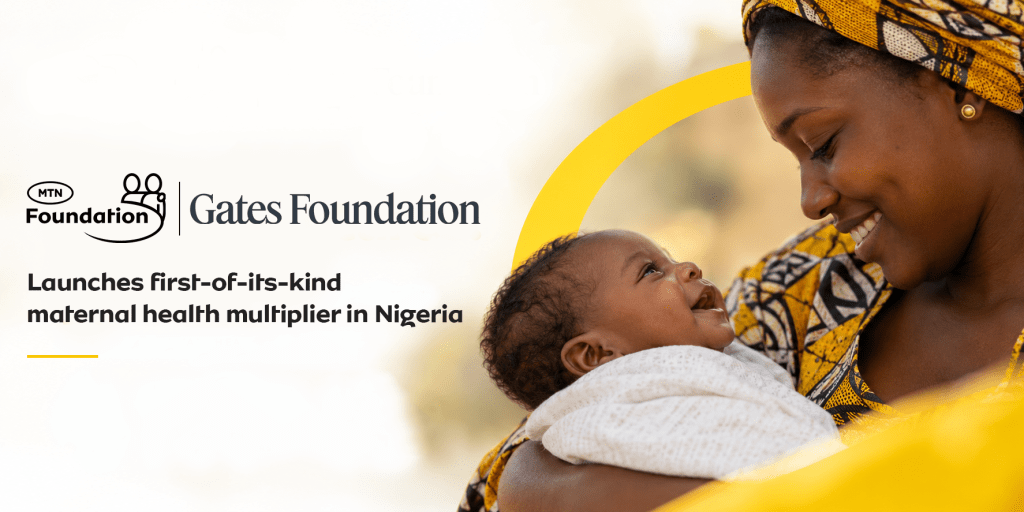
Partnership aims to help 500,000 women in Nigeria access higher-quality maternal health care by 2030
MTN Group Foundation (MTN) and the Gates Foundation today announced a strategic partnership to launch the Nigeria Maternal Health Multiplier, a first-of-its-kind initiative in Nigeria to improve maternal health outcomes through an integrated digital ecosystem that connects women, frontline health workers, and primary health care facilities.
By 2030, the initiative aims to help 500,000 women access trusted health guidance, equip 5,000 frontline health workers with tools to identify complications from pregnancy and childbirth early, and enable 500 health facilities to deliver more consistent, higher-quality maternal health care.
The platform is designed to complement Nigeria’s ongoing maternal and child health reforms. It will expand equitable access to high-quality maternal health care through three components: AI-enabled, phone-based decision support tools for both frontline health workers and mothers, affordable smartphones and mobile data, and improved connectivity at health care facilities. By strengthening access to timely information, care, and follow-up services, the initiative aims to help more women receive quality maternal health care throughout pregnancy, childbirth, and the postnatal period, particularly in underserved communities.
The world has made real progress on maternal survival, cutting deaths by 40% since 2000. But that progress has stalled, and where a woman lives still shapes whether she survives childbirth. In sub-Saharan Africa, that risk is roughly 250 times higher than in Western Europe. While Nigeria has made real progress in reducing maternal deaths over the past decade, a large burden remains to be addressed: The country accounts for nearly 30% of all maternal deaths worldwide. Many of these deaths are preventable, but with only 59% of women completing four or more antenatal care visits, warning signs often go undetected until it’s too late. Both the scale of that challenge and the urgency it represents are why Nigeria was selected as the first market for implementation of the Maternal Health Multiplier.
“For too long, the biggest barrier to improving service delivery in Nigeria, whether in health, agriculture, or education, has not been a lack of innovations, but a lack of focus on the foundational systems necessary to drive adoption,” said Dr. Bosun Tijani, Nigeria’s minister of communications, innovation, and digital economy. “Partnerships like this reflect the kind of collaboration we want to see more of in Nigeria—one that puts the country’s digital transformation to work for the people who need it most.”
The Maternal Health Multiplier is designed to be affordable, reliable, and consistent, and it builds on Nigeria’s flagship Maternal and Neonatal Mortality Reduction Innovation Initiative (MAMII), which is being deployed by the Federal Ministry of Health under its Sector-Wide Approach (SWAp). It will combine:
- Connected devices that give frontline health workers access to real-time guidance, helping them catch warning signs and respond with confidence
- Affordable phone and data access for pregnant women, so cost isn’t a barrier to using the digital health tools
- Improved connectivity at primary health care facilities, so care doesn’t depend on where a woman happens to live
“Strengthening primary healthcare and empowering the frontline health workers who deliver it are core to our health sector reforms,” said Dr. Muhammad Ali Pate, Nigeria’s coordinating minister of health and social welfare. “Partnerships that work with our existing health systems, rather than around them, are exactly what’s needed to reach mothers who are still falling through the cracks. We welcome this collaboration and look forward to it strengthening the work already underway.”
The four-year partnership was announced at Semafor’s Next 3 Billion event, on the sidelines of the 81st session of the United Nations General Assembly in New York. It begins with an initial investment of approximately US$25 million between 2026 and 2030, including direct and in-kind contributions from the Gates Foundation and MTN. This anchor investment is intended to catalyze additional funding and support future expansion into other markets over time.
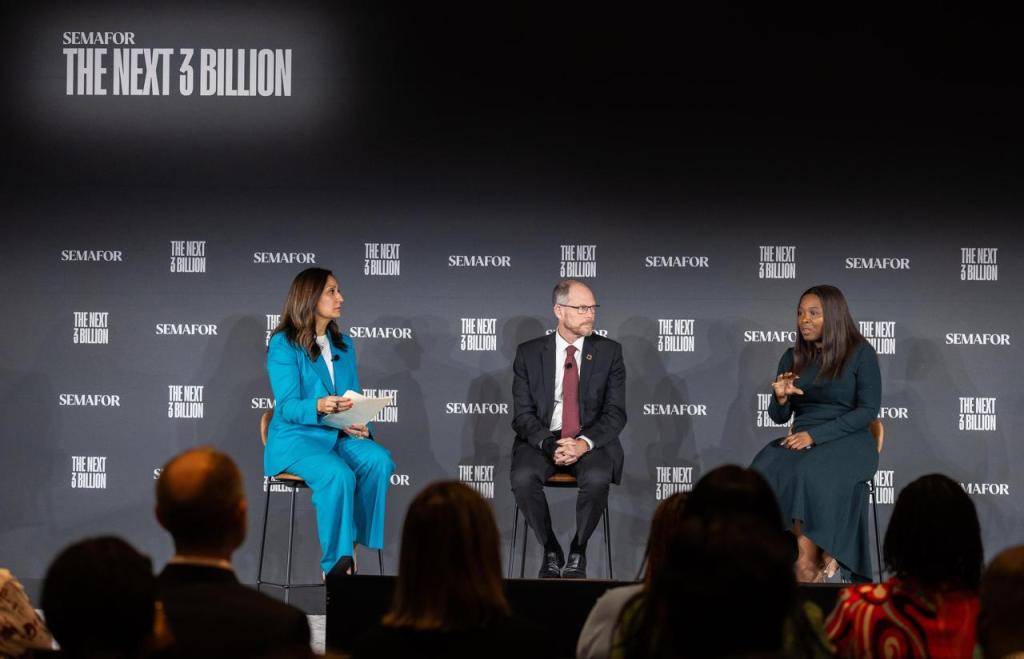
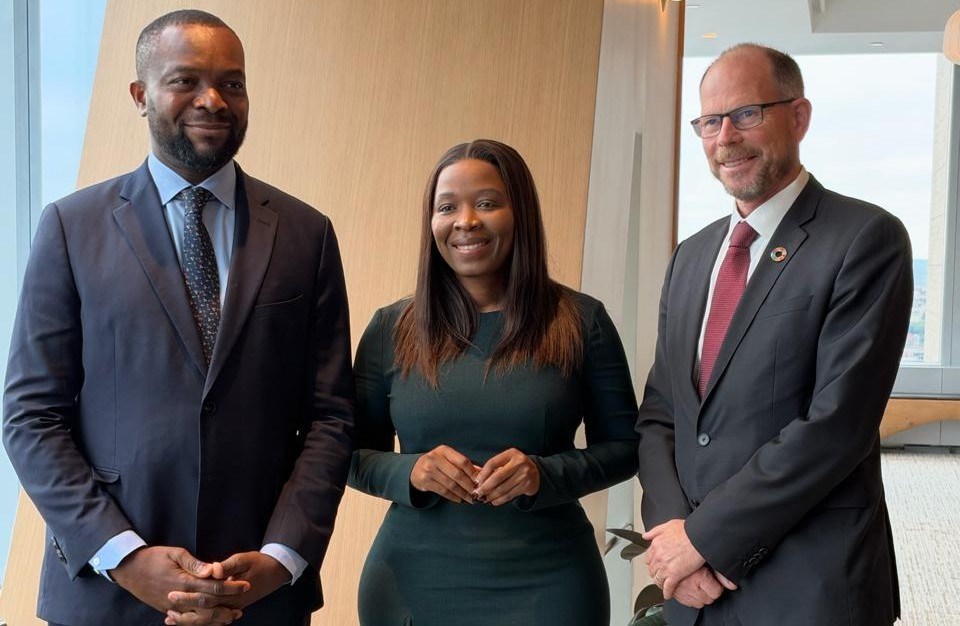
“The future of maternal health depends on ensuring that every mother, regardless of where she lives, can access the support she needs to make informed decisions throughout her journey. Technology is creating unprecedented opportunities to make healthcare more personalised, predictive and accessible,” said Ralph Mupita, MTN Group president and CEO. “As artificial intelligence evolves, we can put trusted, locally relevant health insights directly into the hands of mothers and healthcare professionals, tailored to their unique needs and languages. Starting in Nigeria, our ambition is to demonstrate a scalable model for improving maternal and child health outcomes across Africa. The true value of innovation lies in its ability to improve lives and create better futures for generations to come,” he concluded.
The partnership brings together MTN’s connectivity infrastructure, digital inclusion capabilities, mobile financial services, device distribution networks and local market execution expertise with the Gates Foundation’s deep experience in maternal, newborn, and child health, digital health innovation, responsible AI, and evidence-based scale-up.
“AI has enormous potential to improve health, but only if its benefits reach the people who stand to gain the most,” said Mark Suzman, CEO of the Gates Foundation. “Left to the market alone, potential tends to benefit those who can already afford it, not the people who need it most. That’s where philanthropy has a role to play: not as a substitute for investment, but as a catalyst for it. Programs like the Maternal Health Multiplier are creating AI tools for and putting them into the hands of Nigerian mothers and frontline health workers, helping keep moms and their babies healthy.”