

















Creating inclusive pathways to Africa’s digital economy


Africa’s digital future will be shaped by the young people who have the opportunity to participate in it. As technology rapidly transforms industries and redefines the future of work, access to digital skills has become more than an education imperative – it’s an economic necessity.
As an organisation leading digital solutions for Africa’s progress, MTN believes expanding access to digital skills is fundamentally about expanding access to opportunity.
World Youth Skills Day, observed annually on 15 July, provides an opportunity to reflect on how digital inclusion, skills development and strategic partnerships are enabling more young Africans to participate meaningfully in the continent’s growing digital economy.
For MTN, investing in digital skills is not simply about preparing young people for the jobs of tomorrow. It is about empowering them to become entrepreneurs, innovators, creators and problem-solvers who will shape Africa’s future and drive sustainable progress across the continent.
“Africa’s future will be shaped by the ambitions and capabilities of its young people. At MTN, we believe that digital skills are the foundation, but opportunity is the true destination,” says Nompilo Morafo, Chief Sustainability and Corporate Affairs Officer, MTN Group. “Our responsibility is not only to equip youth with future-ready skills, but to help create pathways to employment, entrepreneurship and innovation that enable them to participate meaningfully in Africa’s digital economy.”
Unlocking Africa’s competitive advantage
Africa’s greatest competitive advantage lies in its young and rapidly growing population. Realising this potential requires more than just connectivity or access to technology. Young people require future-ready skills and access to opportunities that enable them to compete globally while driving innovation and growth within their communities.
The urgency is clear. Sub-Saharan Africa’s population is projected to grow by around 150 million people over the next five years. At the same time, the World Economic Forum’s Future of Jobs Report 2025 estimates that around 40% of today’s skills are becoming outdated, while approximately 22% of jobs are expected to change by 2030 as technology continues to reshape industries.
Preparing youth for this future demands more than digital literacy. It requires practical, industry-relevant skills that can translate into meaningful employment, entrepreneurship and long-term economic participation.
MTN, through the MTN Skills Academy and a growing portfolio of initiatives across our markets, is helping to build those pathways by connecting learning with opportunity.
Turning ambition into action
Across our markets, this ambition comes to life in different ways. While every community faces unique challenges, the objective remains the same: removing barriers that prevent young people from participating in Africa’s digital economy.
South Sudan
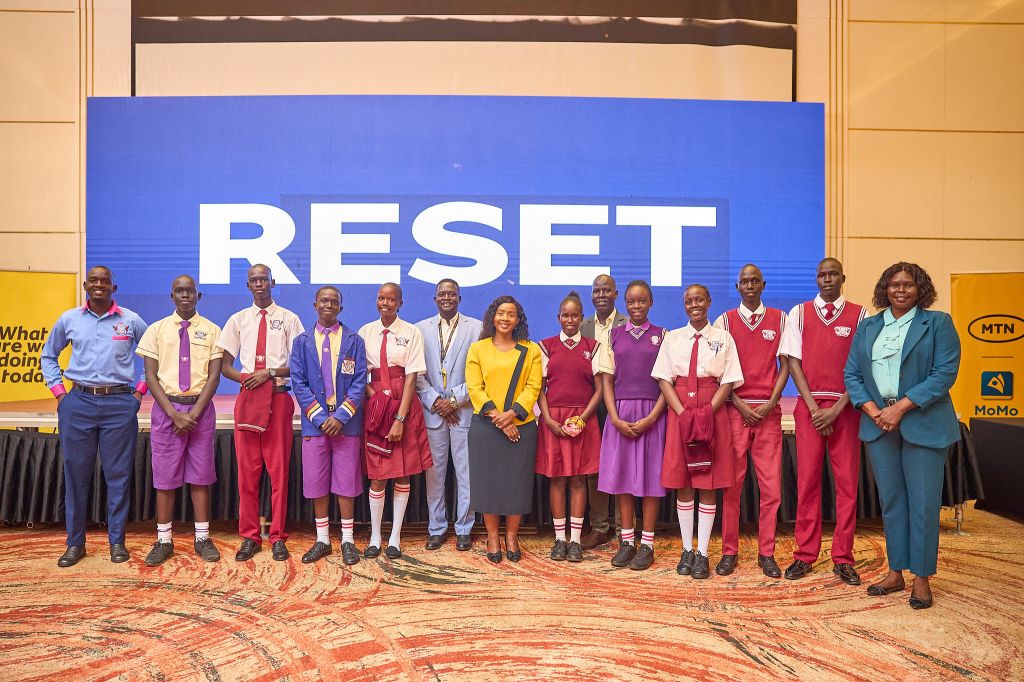
In South Sudan, MTN has partnered with the Ministry of General Education and Instruction, the Ministry of ICT and Postal Services, and the non-profit organisation Educare South Sudan to launch the zero-rated Junub Academy National E-Learning Platform.
Recognised by Educare South Sudan for expanding access to education, the platform enables teachers and learners across the country to access approved educational content without incurring data charges. This helps remove one of the biggest barriers to digital learning while supporting continuity of education in underserved communities.
The initiative is particularly significant given South Sudan’s longstanding infrastructure and education access challenges, demonstrating how digital connectivity can help bridge educational gaps.
Congo Brazzaville
In Congo Brazzaville, MTN has embraced the rapid rise of artificial intelligence (AI) by investing in young innovators developing solutions to Africa’s unique challenges.
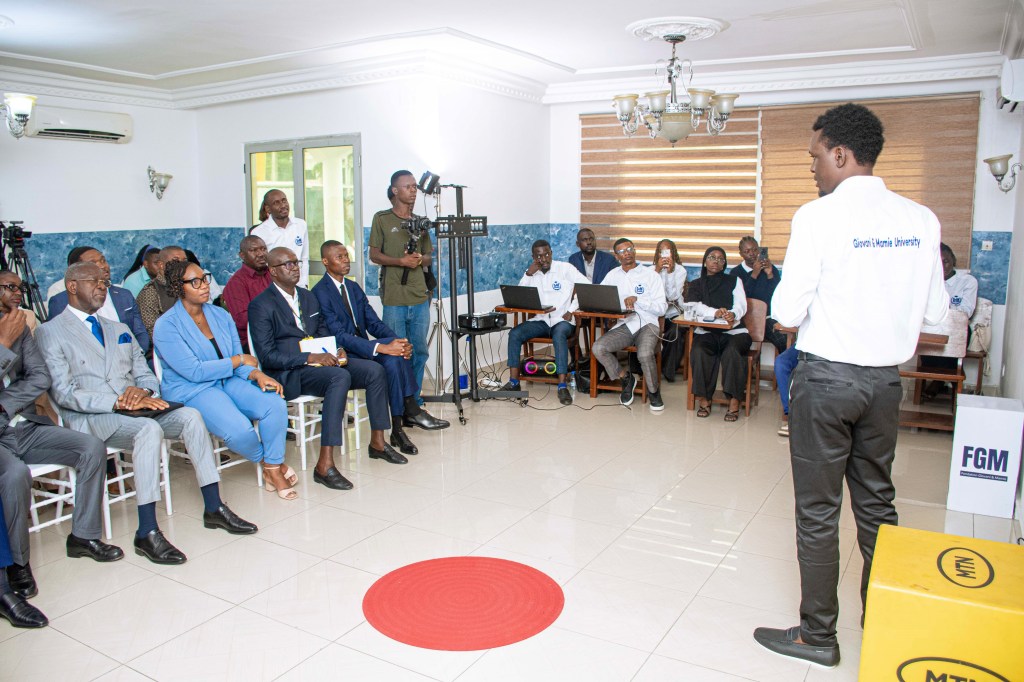
Together with the Giovani & Mamie Foundation and BantuHub, MTN hosted GMU Tech Week 2026 in Pointe-Noire, a week-long programme designed to transform youth potential into future technology leadership.
Over five days, more than 200 participants moved beyond simply learning about emerging technologies. They engaged with industry experts, explored future-focused career opportunities and developed ideas capable of creating meaningful impact within their communities.
Côte d’Ivoire
In Côte d’Ivoire, MTN is demonstrating that digital inclusion must be accessible to everyone.
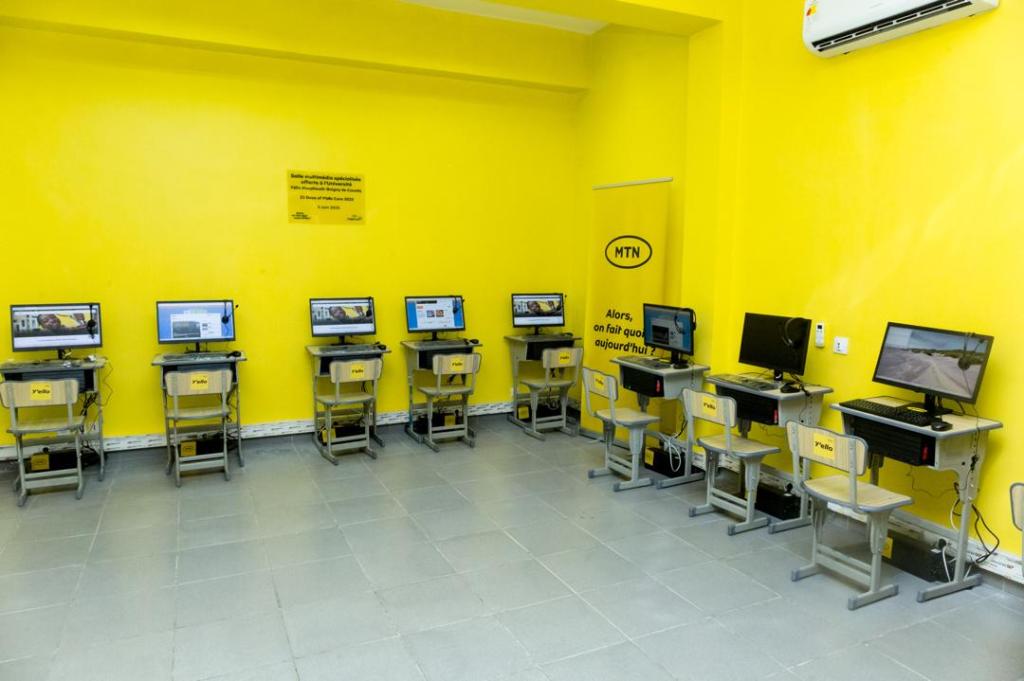
Through a partnership with the National Institute for the Promotion of the Blind (INIPA), MTN established a Braille multimedia room equipped with adapted computers and assistive technologies.
The facility enables visually impaired students to access educational resources, strengthen their digital capabilities and learn more independently, ensuring that disability is not a barrier to opportunity.
Benin
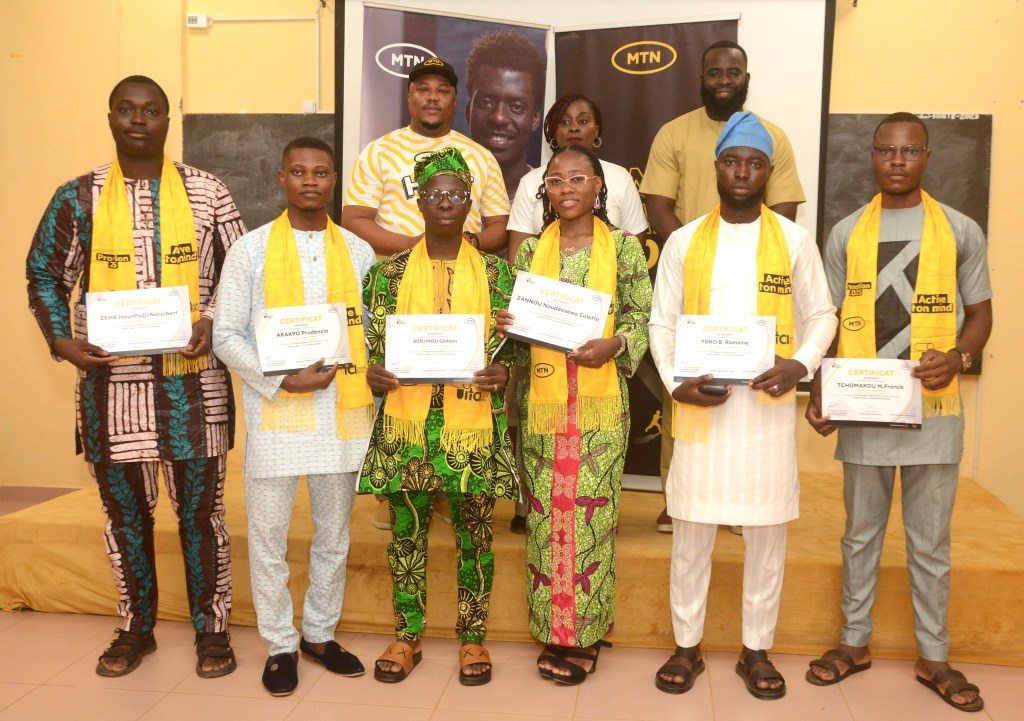
In Benin, MTN is creating stronger pathways between digital learning and employability through its flagship TITA Digital Skills programme.
Launched by the MTN Foundation in 2022 in partnership with Digital Valley and public universities, the initiative equips students and young graduates with practical, industry-relevant skills in areas including coding, digital entrepreneurship, content creation and innovation.
The programme has already trained more than 1,000 young people, with many graduates securing opportunities across local industries, while others have begun their professional journeys within MTN Benin.
From skills to opportunity
Although these initiatives address different needs, they all contribute to the same vision: enabling young Africans to participate fully in the digital economy by creating inclusive pathways to opportunity.
Whether it is a learner accessing education without connectivity barriers, a visually impaired student gaining digital independence, or an aspiring innovator developing solutions powered by AI, each initiative creates a pathway towards greater opportunity.
Today, the MTN Skills Academy is available across 11 markets and has reached more than 350,000 learners through a growing network of training and ecosystem partners, including ICT hubs.
While building digital skills is an essential first step, the true measure of success lies in what those skills make possible. Skills must lead to employment, entrepreneurship, innovation and economic participation.
As Africa’s leading digital solutions provider, MTN is committed to creating those pathways by connecting digital skills with real opportunity. Because when young people are empowered to participate fully in the digital economy, they do more than build futures for themselves. They help drive Africa’s progress.