













Archives: Case Studies
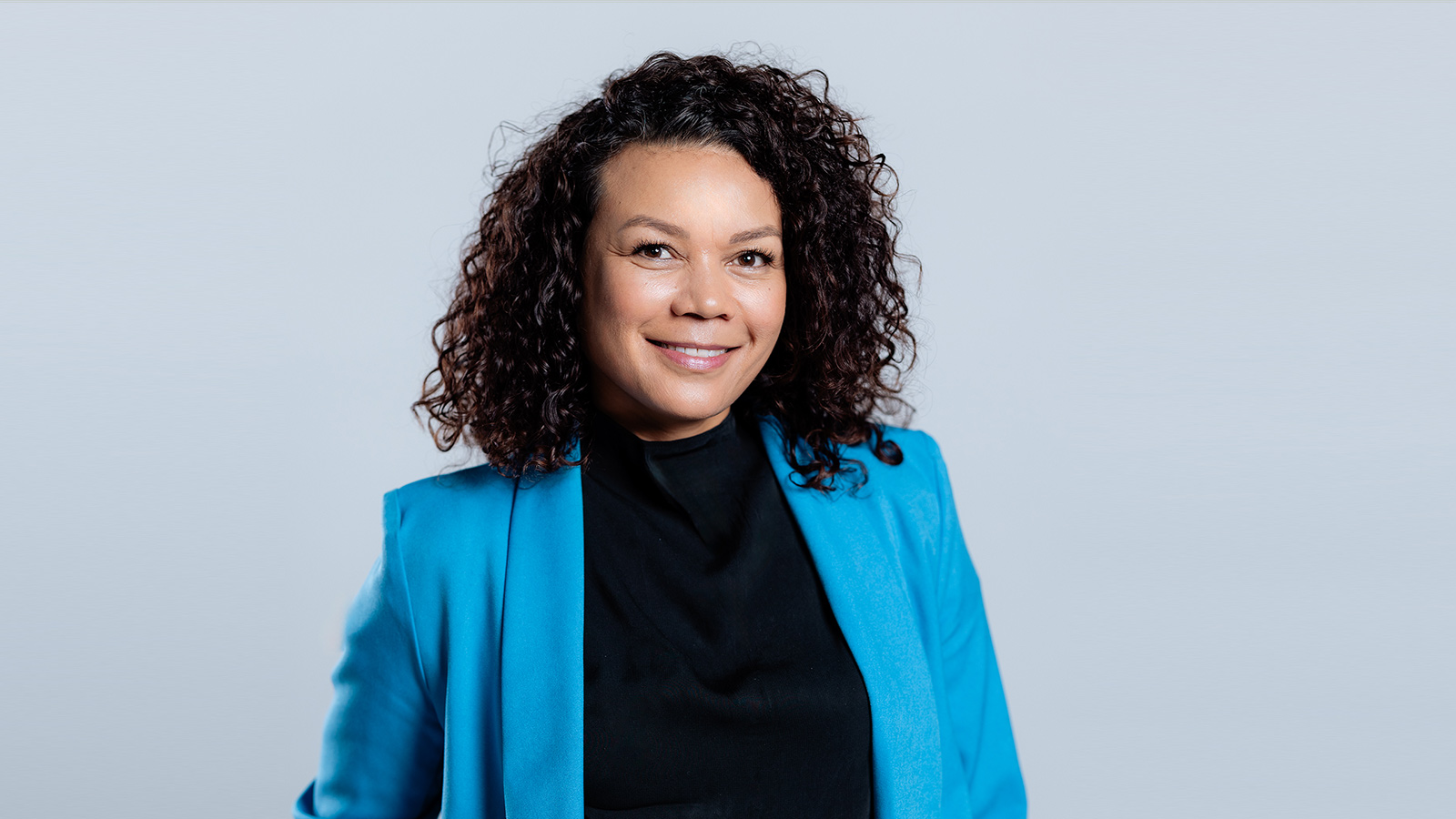
Alexis once believed she was the kind of person to whom abuse could never happen. She was well educated, thriving in her career, confident in her decisions, and “in the know.” But what unfolded left her bewildered and emotionally paralysed. She began questioning her thoughts, her feelings, and even her own words. Living in a constant state of anxiety, confusion, and self-doubt, she didn’t understand what was happening, only that she could not move forward.
Only later would Alexis realise that she was being gaslit – a form of psychological abuse that erodes a person’s sense of reality. She found herself trapped in a cycle: he promised change, she returned, and the abuse resumed, just as before. It was only much later that she would come to understand this cycle as trauma bonding.
Her turning point came after experiencing a miscarriage. Her Line Manager noticed her distress and stepped in, a moment of care that led to her being admitted to a wellness facility for 6 weeks. There Alexis found professional support and connection. She states: “For 6 weeks I had access to psychiatrists, psychologists, physiotherapy and was connected with other women who experienced what I had.” Empowered with this new language and an understanding of the cycles of abuse, she gained a deeper view on what had happened to her. She began to understand the red flags she hadn’t seen before. Most importantly, she started to heal.
But Alexis was also aware of the privilege embedded in her journey. She had access to wellness benefits through medical aid, a supportive employer, and the right interventions at the right time. What about those who have none of those things, no job, no insurance, no one to notice their pain?
That question became the next phase of Alexis’s healing. Inspired by the strength of the women who shared their stories with her, Alexis began to ask “what if we could create and simulate this same kind of healing for others impacted by GBV?”
Her answer was to meet people where they are, literally. Together with a team of collaborators, she designed a radio-based programme as a scalable, low-barrier platform for GBV awareness and healing. Radio, still one of the most accessible media channels across the continent, became the bridge.
As a South African, Alexis is piloting this initiative through a beta launch on Heart FM in the Western Cape and Gagasi FM in Kwa-Zulu Natal. The programme has already reached more than 2 million people, sparking real conversations about GBV, accountability, and healing. At its heart is a call to reflection and to action.
“What can I do?” you may be asking.
Take the necessary action to help yourself; then build the courage to stand up for someone else.
At MTN, we believe in creating safe spaces, supporting recovery, and using our platforms to amplify voices like Alexis’s; voices that challenge silence and inspire action. Because there is #NoExcuse for Gender-Based Violence
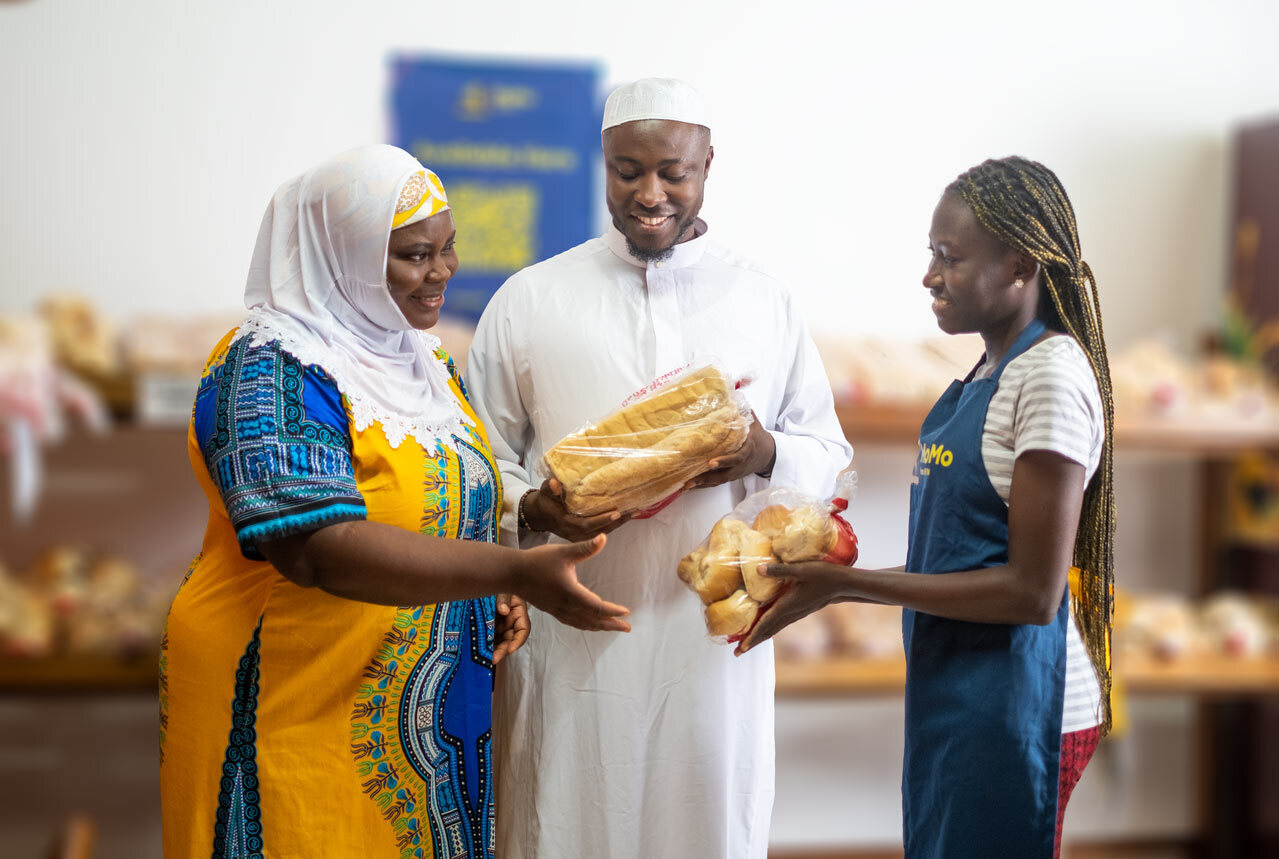
Financial exclusion in Côte d’Ivoire
Financial exclusion remains a significant barrier to inclusive to economic growth and social development in Côte d’Ivoire. Limited access to formal financial services disproportionately affects women, rural communities, and low-income populations, contributing to inequality and reducing opportunities for economic participation.
Factors such as low financial literacy, high service costs, and insufficient infrastructure further limit access to essential services like savings, credit, insurance, and secure payments
Our response: MoMo
MTN recognises its crucial role in the nation’s digital transformation, as a leading telecommunications provider in Côte d’Ivoire, leveraging our infrastructure to assist in bridging the divide of financial exclusion. MoMo is our fintech platform, allowing eligible users to send local and international payments, access loans, buy insurance and access a wide range of other financial services. MoMo is a mobile wallet service that is available to active MTN smartphone and SIM users. To utilise MTN Mobile Money, the use required to register, after which you can then view the options available to you, in the MoMo app, simply just using your phone.
Impact and achievements
We are proud of our contribution in driving financial inclusion through MoMo and remain committed to expanding our services and solutions to our customers and Accelerating Africa’s Digital Future.
Financial Inclusion: MoMo has significantly increased access to financial services, particularly in rural and remote communities. The World Bank has noted that mobile money adoption in Côte d’Ivoire has been a key driver of financial inclusion.
Economic Empowerment: Users have reported improved financial management and enhanced business opportunities. For example, a local entrepreneur stated, “with MoMo, I can receive payments instantly, which has improved my cash flow and allowed me to expand my business.”
Job Creation: The MoMo ecosystem has created numerous employment opportunities, including agents, merchants and support staff, contributing to the local economy. MTN estimates that Mobile Money has contributed to the creation of 400,000 jobs across its footprint.
MTN plans to continue expanding MoMo’s reach and services in Côte d’Ivoire to enhance user education, improving service reliability and introducing new financial products tailored to local needs. Patrick Attoungbre, Chief Marketing Officer, MTN Fintech Côte d’Ivoire, highlighted the company’s commitment: “We strive to continue improving our products to meet our goal of providing accessible, secure and affordable financial services, in particular to underserved populations.” Through these efforts, MTN seeks to further empower individuals and businesses, fostering economic growth and financial inclusion in Côte d’Ivoire.
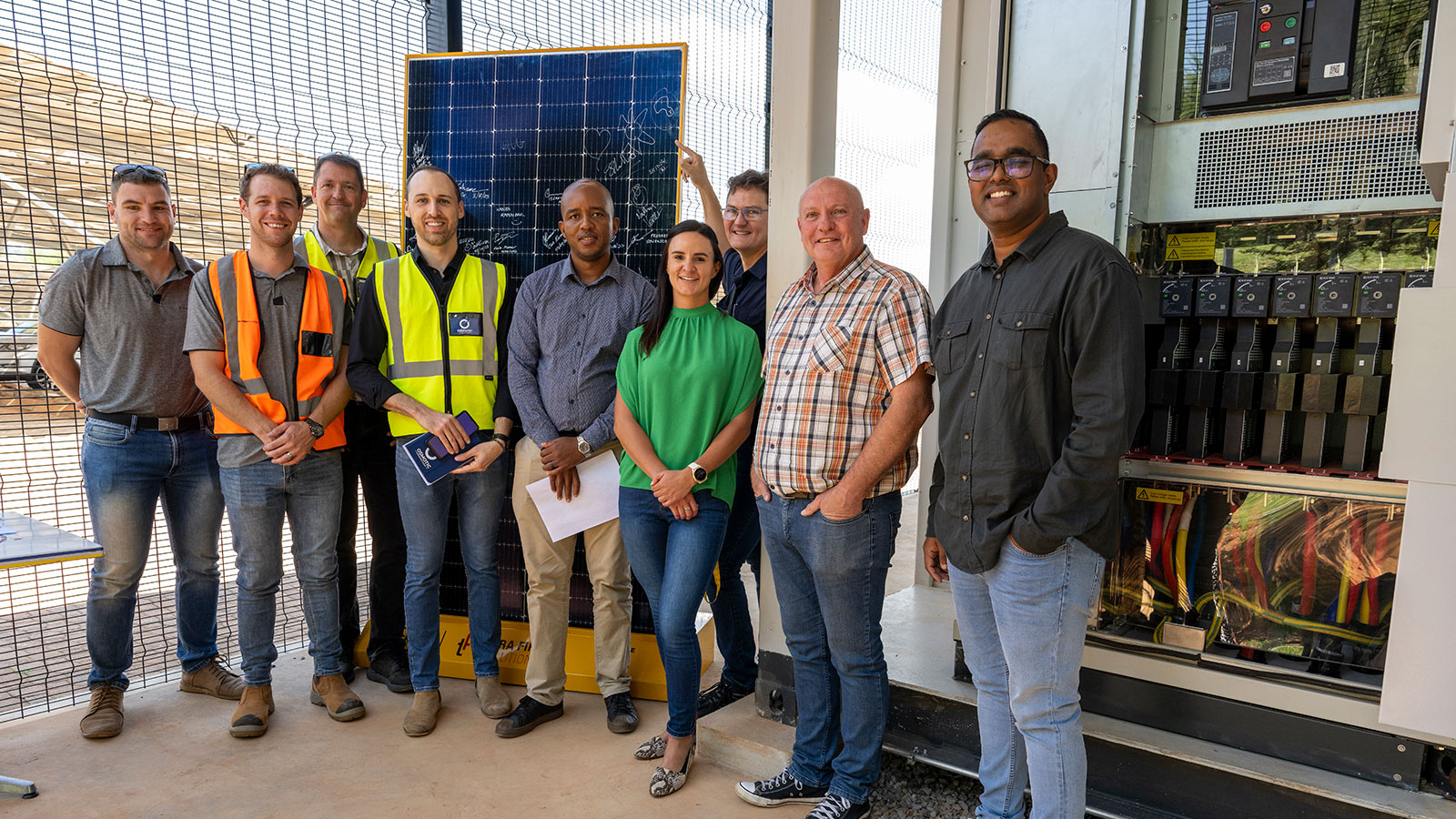
The climate crisis is a global challenge that demands a collective and coordinated response. Rising temperatures, devastating natural disasters, and unpredictable climate patterns are clear signs of a planet in distress. Addressing these challenges requires cross-sector collaboration, where, nations, corporations, and communities put aside their differences and come together to share knowledge, scale innovation, and align on climate ambition.
Project Zero is MTN’s strategic framework for operationalising our commitment to environmental sustainability. It serves as the management mechanism that translates our climate ambition into action – with the goal of achieving Net Zero greenhouse gas (GHG) emissions based on our total carbon footprint by 2040, using 2021 as the baseline.
Progress and Impact
Since its launch, Project Zero has made substantial progress at a Group level, driving significant achievements in line with our strategic objectives. Notably, we have achieved considerable reductions in Scope 1 and 2 emissions, marking a key milestone in our efforts to minimise our environmental footprint.
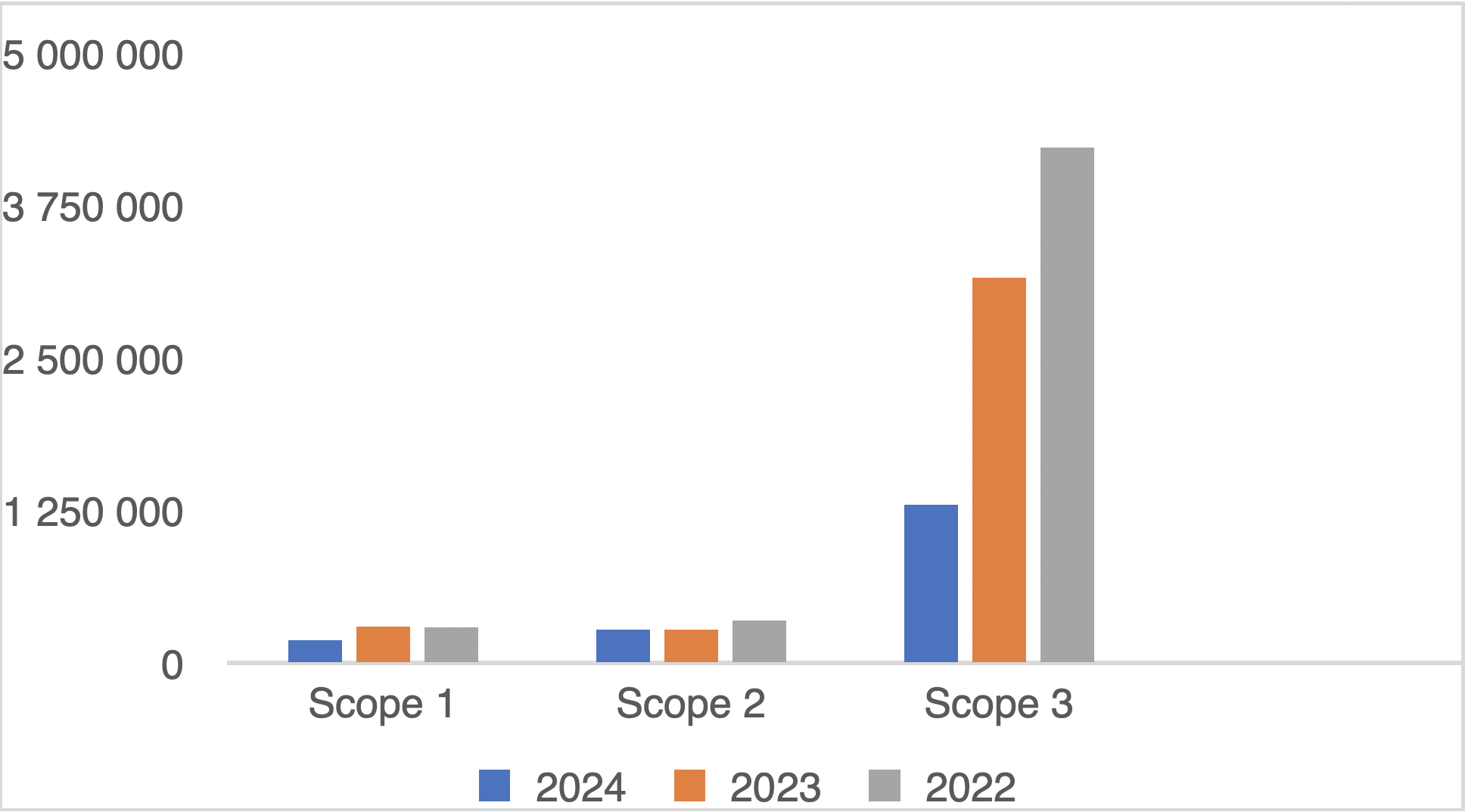
Our market-focused initiatives have yielded significant reductions in emissions and improved operational efficiencies. By adopting tailored strategies that are specifically designed to address the unique needs and challenges of each market, we have been able to drive meaningful impact and optimise performance. These localised approaches have enabled us to effectively navigate diverse operating contexts and achieve our sustainability goals.
- South Africa: Through powering modernisation, system cut 5 937tCO2e in 2024, with full year savings expected to reach 8 037tCO2e.
- Uganda: Through improving energy efficiency, the project reduced 3.11tCO2e emissions in 2024.
- Cameroon: Through harnessing solar energy, the Garoua Switch solar project has saved 72.12MWh of energy, equivalent to reducing 19.47tCO2e.
- Ghana: Through transforming green energy,
- Nigeria: Through driving energy efficiency and renewable energy, there was a 2% reduction in base-year emissions, decreasing from with 3 784tCO2e before implementation to 2 314tCO2e afterwards.
Looking ahead
Project Zero continues to deliver significant financial and environmental benefits within our business model and regional operations. To build on this success, we plan to scale and replicate effective strategies across different markets, integrating best practices into our overall business model. By staying attuned to emerging trends and innovative technologies, we’ll remain proactive in achieving our strategic objectives and drive continued growth and sustainability.

Overview
Across South Africa, many learners, particularly in rural and underserved communities, face significant barriers to digital access and connectivity. Recognising that digital inclusion is fundamental to modern education, MTN South Africa, in partnership with the Department of Basic Education (DBE) and the Department of Communications and Digital Technologies (DCDT), has launched the bold and transformative ‘Connecting Every Child’ initiative.
This campaign aims to bridge the digital divide by donating 30,000 devices to learners nationwide, creating greater access to learning opportunities and a more connected future.
A Vision for Inclusive Learning
The initiative supports the DBE’s 2019 commitment to provide every learner with an Information and Communications Technology (ICT) device and access to digitised Learning and Teaching Support Materials (LTSMs). This pledge recognises the critical importance of connectivity and digital tools in improving learning outcomes and educational access.
“Access to connectivity, devices and educational content is crucial for advancing education in our country,” says Ms. Siviwe Gwarube, Minister of Basic Education. “Initiatives such as the Connecting Every Child programme will help us achieve our ambition of ensuring every child has access to a device. We will also intensify our efforts to improve digital literacy at primary and secondary school levels.”
Aligning with National Goals
The programme also supports the objectives of the DCDT’s SA Connect programme, which seeks to advance South Africa’s National Development Plan (NDP) by fostering an inclusive information society. One of its priorities is expanding broadband to underserved district municipalities, with a keen focus on schools.
“The Connecting Every Child programme aligns with our vision to promote digital inclusion where no one is left behind,” says Mr. Solomon Malatsi, Minister of Communications and Digital Technologies. “To realise our goal of connecting every South African to the digital world, we need every sector player, including the government, to play their full part.”
Transforming Education in Gauteng
In Gauteng, the provincial Department of Education is already advancing ICT integration in schools, from training teachers to introducing smart devices and educational software.
“Our world faces many challenges, as seen by the decline in adequate livelihood opportunities,” says Gauteng Premier Panyaza Lesufi. “Despite these obstacles, rapid technological advancement reshapes the future and creates new possibilities.”
The Connecting Every Child programme provides a unique opportunity for all stakeholders and social partners to contribute to a purposeful intervention that will aid our country and province to produce a future-ready generation.”
A Call to Action
Charles Molapisi, CEO of MTN SA, passionately highlights the transformative potential of increased connectivity for children’s lives. “Education is a crucial lever in the fight against poverty, inequality and unemployment. Without access to connectivity and e-learning devices, our children, grandchildren and future generations will be left behind. We call on all corners of society to join us – device manufacturers, technology companies, individuals and businesses alike, both in the public and private sectors.”
Making a Difference with Forgood
To facilitate donations, MTN has partnered with Forgood, an online platform that enables both monetary and in-kind contributions. Contributions, including monetary or ‘in-kind’, can be made at any time, with the devices distributed to deserving schools across the country, particularly in rural and remote areas. Additionally, those preferring to drop off physical smart devices can do so at MTN’s regional offices.
MTN kickstarted the programme with a donation of 2,000 devices. Addressing learners at the launch, Molapisi said, “You are the future of South Africa. With these devices, you have the keys to unlock a world of knowledge, resources and opportunities that can help you shape your destiny and contribute to the progress of our nation. The future is indeed in your hands.”

Nigeria’s digital economy holds immense potential, and continued progress will depend on addressing key enablers. While strides have been made in expanding infrastructure and digital inclusion, challenges remain — including gaps in broadband coverage, varying network quality, and the need for greater consistency in policy implementation to encourage industry growth. Enhancing digital literacy also remains a shared priority, as building foundational skills will be critical to enabling broader participation in the digital economy.
In response to these challenges, the GSMA conducted a comprehensive study titled “The Role of Mobile Technology in Driving the Digital Economy in Nigeria.” The report explores the critical role of mobile technology in enabling economic development and offers insights into the barriers limiting the growth of Nigeria’s telecommunications sector.
MTN welcomed the opportunity to contribute insights and data to support the reports development. As a long-standing member of the GSMA, we value this collaborative effort to strengthen understanding of the digital economy landscape and to help shape practical, inclusive solutions.
“Connectivity to mobile services, including Mobile Money, is the foundation on which digitalisation is built. The Mobile Network Operators (MNOs) are committed to investing to support the realisation of the digitalisation ambitions that will unlock economic growth and development in the country.
The mobile sector accounted for 13.5% of total GDP in 2023, including the direct value-added by wider ICT industries and the sector’s impact in enhancing the productivity of other sectors. Overall, the mobile sector’s total contribution to GDP is estimated at 33 trillion NGN in 2023, with 2.4 trillion NGN in tax revenue contributions.
A thriving digital economy would have a material impact on the economy of Nigeria over the next 3-5 years. It is estimated that increased digitalization in agriculture, manufacturing, transport, trade and government will increase GDP by around two percentage points by 2028.
This would also create nearly 2 million jobs and raise an additional NGN 1.6 trillion in tax revenue.”
– GSMA
Nigeria Digital Economy Report: NigeriaDigitalEconomy_R3_Web.pdf
Small and medium-sized enterprises (SMEs) form the backbone of economies worldwide, particularly in developing and emerging markets. These enterprises contribute significantly to employment, income generation, and economic growth. In Africa, SMEs employ an estimated 80% of the continent’s workforce, both in formal and informal sectors, making them pivotal to economic prosperity and societal well-being.
However, small businesses and startups encounter various challenges that impede their growth and sustainability. These challenges include limited access to finance, markets, skills, technology, and infrastructure. Moreover, traditional banking services often fail to provide SMEs with the tailored solutions they need, leading to inefficiencies and frustrations.
Recognising the vital role SMEs play in Africa’s economic landscape, MTN is committed to empowering these enterprises through innovative financial solutions. At the forefront of this endeavor is MTN’s MoMo platform, a mobile financial service that caters to people across Africa and businesses of all sizes.
Since its inception, MoMo has evolved into a comprehensive ecosystem offering a myriad of services, including payments, e-commerce, personal insurance, lending, and more. One of the groundbreaking developments within this ecosystem is the MoMo Business Wallet, designed to streamline operations and optimise efficiency for businesses. The platform enables businesses to accept payments directly from customers for various transactions, from prepaid services to shopping vouchers, without incurring transaction fees. This not only enhances profitability but also grants businesses access to a vast customer base that has embraced MoMo wallets.
Moreover, MTN has democratised access to its mobile money platform through open application programming interface (API) solutions. Our open API software platform allows developers and programmers to integrate MoMo into their applications seamlessly, unlocking new possibilities for SMEs. MoMo APIs are available to facilitate all key use cases, including consumer to business payments (C2B), business to business payments (B2B), collections, and disbursements, cash in, cash out, refunds, notifications, and more. SMEs can even easily integrate a collection widget on their websites using the MoMo API, enabling customers to make payments by scanning a QR code.
MTN’s MoMo APIs represent a game-changer for SMEs seeking secure payment solutions and efficient transactions. Through these APIs, businesses can leverage innovative solutions for a range of financial and operational needs, propelling them towards growth and success.
Medhi Matovu, an entrepreneur from Uganda, has used MoMo APIs to boost his business, Lusuku, to new heights. Medhi explained that “Before integrating the MoMo API, we encountered challenges with cash transactions, including cases where drivers disappeared with funds. The API transformed our payment process, making it seamless and secure. Now, our drivers only focus on delivering products, while the API takes care of the monetary transactions.”
“The transition was remarkably smooth, thanks to the comprehensive documentation available on the MoMo website and an active developer community. With the API, we’ve experienced improved accuracy and speed in processing payments. The MoMo API not only boosted conversion rates but also increased customer confidence. The ease of making payments without extensive verifications has positively impacted user behavior. The return rate has surged compared to cash transactions, as customers have a clear record of their interactions.”
Moreover, Medhi emphasises the scalability and flexibility of the MoMo API, noting its ability to handle any volume of orders and adapt to dynamic user requirements. He credits MoMo APIs with increasing revenue and minimising losses, heralding it as a game-changer for developers seeking reliable and scalable solutions in the e-commerce landscape.
Success stories, such as those of Medhi Matovu, inspire MTN to amplify our efforts to empower SMEs by providing them with the necessary tools, resources and support to thrive in a competitive business landscape. As MTN continues to expand its partner ecosystem and fintech capabilities, we remain committed to supporting SMEs on their journey towards growth and success. Through MoMo and our comprehensive range of SME services and solutions, we aim to be the go-to brand for African entrepreneurs seeking success in today’s digital economy.
MTN’s commitment to supporting SMEs through MoMo APIs has garnered global recognition, winning prestigious awards such as the Global Telecom Award (Glotel) and the MEA Finance Banking Technology Award. These accolades underscore MTN’s leadership in fostering digital innovation and financial inclusion across Africa.
In today’s digital era, the tech industry stands as a cornerstone of economic development and innovation. Yet, it grapples with a significant challenge—the underrepresentation of women in digital and IT sectors. Despite comprising 13% of STEM graduates in South Africa, women face post-graduation hurdles in accessing digital exposure and career guidance, leading to a stark gender gap in technology-related fields. Only 23% of tech jobs in South Africa are held by women out of 236 000 available ICT & Tech roles, highlighting the urgent need for industry intervention to bridge this representation gap.
Lesimola Selepe, Senior Manager of Youth & Women Programmes at the MTN SA Foundation, highlights the importance of addressing this disparity, stating, “Removing barriers hindering women from entering STEM fields is crucial to closing South Africa’s ICT skills gap and reducing high unemployment rates.”
In response, the MTN South Africa Foundation launched the MTN Women in Digital Business Challenge, committing R1 million to enable innovation, entrepreneurship, and job creation for women in the digital economy. This initiative, now in its third year, is an extension of MTN’s support to SMME’s , specifically focusing on fostering an entrepreneurial mindset among women.
The Challenge provides successful candidates with R100 000 each to support their working capital needs, business development, tangible assets, mentorship and access to business-advancing technology and software.
The Women in Digital Business Challenge goes beyond financial support; it creates a supportive ecosystem that nurtures talent, fosters innovation, and cultivates leadership among women in the digital space. A mentorship component pairs participants with seasoned professionals, offering personalised guidance to overcome challenges and seize opportunities. Moreover, comprehensive training equips participants with essential technical and business management skills, essential for navigating the digital landscape successfully.
Networking opportunities provided by the challenge facilitate meaningful connections with peers, industry experts, and potential collaborators, offering invaluable support and access to resources.
The impact of the MTN Women in Digital Business Challenge is evident in the success stories of participants like Mamello Mofokeng, Khathu Maphari, Aasiyah Adams, and Elizabeth Booi.
Following her four-month mentorship journey, Mamello has managed to acquired the right business acumen to expanded her team from 5 to a total of 9 employees, with 6 of them being women. She has also reengineered her sales strategy, resulting in new market opportunities for her business. She also gained exposure and recognition when her success story was featured on Business Day TV to showcase the impact of the Women in Digital Business Challenge.
Khathu used her prize money to rebrand her business and address office aesthetics, compliance, and debt settlement. She has subsequently proposed a teacher training program, demonstrating a strategic expansion of her business’s offerings. Early this year, the MTN Foundation onboarded Khathu and her business as an implementation partner on the Digital Skills Training Porgramme, which offers upskilling on digital skills to learners, teachers, and unemployed youth in communities nationally.
Aasiyah’s company has also grown significantly, with plans to expand into new markets. She is gearing up to teach 4 000 students in various courses, demonstrating substantial scalability and impact following the challenge’s financial and strategic support.
After being selected as a top 10 finalist in the 2023 MTN Women in Digital Business Challenge, Elizabeth’s business has expanded its impact to over 1 000 individuals. She is developing a learning management system and accreditation processes, focusing on empowering women and youth in IT and Data Analytics.
As the MTN Women in Digital Business Challenge continues to grow and evolve, its impact will only continue to expand. By providing women entrepreneurs with the resources, support, and opportunities they need to succeed, MTN is not only empowering individual women but also driving broader social and economic transformation. The challenge serves as a catalyst for change, underscoring our commitment to empowering women, fostering diversity, and building an inclusive digital economy for all.
MTN’s dedication to empowering women extends beyond empowering women in tech to succeed. We are committed to advancing women’s equality and diversity across our operations, promoting an inclusive environment free from gender bias.
Imagine a world where the digital divide no longer separates communities, where every individual has the power of connectivity at their fingertips, regardless of their location. This is the vision that propels MTN’s tireless efforts to extend mobile network coverage deep into rural Africa.
Sub-Saharan Africa is not only the fastest growing region in the world, but also has the world’s largest population percentage that does not have mobile coverage. Many rural areas in sub-Saharan Africa have no telecom infrastructure or power grid, leaving an estimated 210 million people with no usable mobile network service.
At MTN, we believe everyone deserves the benefits of a modern connected life. Connectivity more than just a network; it is a lifeline that can change lives. For entrepreneurs, it means reaching online buyers; for farmers, it’s accessing market information; for healthcare workers, it’s calling for urgent help. The potential is immense, but the challenge of reaching all communities is daunting due to the significant costs of erecting mobile towers in an isolated rural context.
That is why MTN Zambia has teamed up with Africa Mobile Network (AMN) to extend mobile network coverage to rural communities across Zambia. AMN’s innovative approach optimises sites for rural environments and harnesses solar power to create self-sustaining stations that bring 2G, 3G, and 4G connectivity to rural villages. Leveraging the AMN Network-as-a-Service (NaaS) model, MTN is able to reach more remote areas without the need for upfront investment or operational risks.
In partnership with AMN, we not only establish network infrastructure but also offer heavily subsidised mobile phones to the people living in newly connected villages, ensuring accessibility for all. Additionally, we support the establishment of airtime dealers and mobile money agents, enabling villagers to easily access mobile money services for deposits and withdrawals.
The impact is palpable. Gertrude Banda from Mawanda Village in Zambia reflects, “A long time ago we used to write letters to Lusaka. Now MTN thought of us and gave us phones so that we can communicate with people in Lusaka. When money comes, we are able to collect from MTN Mobile Money. Things are much easier because of the phones MTN has provided. So we are very grateful to MTN for bringing us phones here in our village.”
Stanley Kaluba, a Clinical Officer in Mawanda, echoes Gertrude’s sentiments: “We use the MTN network to make referrals for patients that need to go to the hospital and to call an ambulance in emergencies. MTN is a very good network, and since the time they installed this tower, it has really helped us.”
But connectivity isn’t just about enabling access to networks and affordable phones; it’s about economic empowerment. David Phiri, a mobile money agent, shares, “People come to my shop to withdraw money or open mobile money accounts. They can buy airtime through MTN MoMo or receive money from Lusaka. There are so many things I am able to do for a living now. I am very thankful.” The benefits of digital transformation extend beyond individuals to entire communities, where daily activities such as transferring money, taking and repaying credit loans, subscribing to an insurance policy, or paying school fees for their children can now be conducted via mobile phones.
MTN remains deeply committed to playing a transformative role in Africa’s mobile internet revolution. While the road ahead is filled with challenges, our resolve remains unshaken and we are working hard to close the coverage gap in rural and remote areas. With each village brought online, lives are transformed, communities thrive, and the promise of a more connected Africa becomes a reality.
We know that achieving this, and doing so quickly, would not be possible without the active collaboration of our partners. Each partnership we form, whether with a government, industry peer, innovator, community member, or employee, contributes a unique piece to a tapestry of positive change that transcends individual efforts. We look forward to continuing to work with all these key role players as we go forward together into the future.
Nkululeko Nkosi, co-founder of Saturated, envisions a world where businesses seamlessly embrace innovation and transformation. Launched in January 2020, Saturated specialises in web and app development, software solutions and digital consultancy for cloud computing. The onset of COVID-19 highlighted the imperative for small businesses to pivot online, motivating Nkululeko to enter Saturated into
MTN’s Xlerator programme, a year-long initiative supporting business growth and development. Through Xlerator, Nkululeko developed a holistic approach to business enhancement and gained the resources needed to flourish. “The programme assisted us in improving the business elements that we were not aware and offered us insight into running a successful digital business. MTN provided resources to support us in every facet of our business, from legal, HR and accounting skills.”
In South Africa, as in many developing nations, access to digital technology remains a hurdle for a large segment of the population, with only 44% owning smartphones in 2023. This stark statistic widens the digital divide, particularly as a result of device affordability issues, limiting South Africa’s full participation in the modern economy.
The country’s ongoing migration to 4G networks aims to impend 3G and 2G networks by December 2027. Consumers are therefore required to upgrade their devices to those compatible with 4G networks, which can be prohibitively expensive for many individuals and households, particularly those already facing financial constraint. This requires targeted initiatives like device financing to address smartphone access and affordability. “South Africans are leveraging financial inclusion education to embrace improved consumer lending practices, effectively navigating economic challenges by positively utilising credit products and prudently managing debt, leading to recorded improvements in credit scores,” as stated in the TransUnion Credit Landscape report of 2023,which creates an opportunity for successfully rolling out device financing initiatives and addressing the smartphone access gap.
MTN South Africa partnered with the FoneYam device financing programme in 2023, with MTN capturing 37% of device sales through the FoneYam initiative at Pep (a South African low-cost retailer). FoneYam introduces flexible financing options tailored to the needs of low-income consumers ranging from instalment payments spread over flexible periods, with minimal or no interest, making devices more accessible without imposing a significant financial burden on consumers. MTN South Africa plans to partner with co-financing partners to add value to the consumer to increase uptake and promote our customer relationship.
Device financing solutions play a crucial role in narrowing South Africa’s digital divide by addressing affordability issues. These initiatives empower individuals to fully participate in the modern economy, leading to improved connectivity, expanded educational and job opportunities, and enhanced social inclusion. Continued investment in sustainable device financing programmes is key to driving economic growth and societal advancement in South Africa’s digital transformation journey. “Before I got help to buy a phone, I felt a bit left out because I couldn’t afford one. But now, I have the internet all the time, which has changed everything. I can talk to my family whenever I want, look for jobs online and even learn new things. It feels like a whole new world has opened up for me, and I’m really thankful for that.”