
















Archives: Case Studies
Overview
MTN Ghana continues to advance its emissions reduction efforts through the targeted deployment of renewable energy and improvements in infrastructure efficiency. Under Project Zero, the business is transitioning high energy-consuming facilities to cleaner power sources while reducing operational energy use through modernised cooling systems and energy-efficient lighting upgrades.
The 2024 programme included interventions at three data/switch centres, the MTN House facility, and 39 BTS sites. Solar power systems were installed at sites in Accra, Kumasi and other locations, bringing the total installed capacity to 2.4 MW. As a result, 64% of switch/data centre energy and 54% of BTS site energy now come from green sources.
To further improve efficiency, MTN Ghana implemented its Cooling Unit Modernisation project, replacing 84 conventional cooling systems with variable-speed compressor units, significantly reducing power consumption at critical facilities.
Response
Ghana’s energy sector faces high electricity costs, rolling blackouts (“dumsor”) owing to grid instability and heavily relies on fossil fuels as an energy source. These conditions contribute to increased emissions and operational volatility for businesses with large-scale infrastructure needs.
To reduce exposure to these risks, MTN Ghana prioritised energy transformation through a combination of solar integration and infrastructure upgrades, applying the Reduce pillar of MTN Group’s Net Zero strategy. In 2024, the business achieved an 11% reduction in Scope 1 and 2 emissions against a target of 12.5%. The actual emissions reduction achieved was 4 339tCO2e.
Emissions reduction
15.6% decrease in emissions. In 2023 an emissions reduction of 2 136tCO2e was achieved and in 2024 an emissions reduction value of 3 325tCO2e was achieved.
Cost savings
US$0.46 million in 2024 with a cumulative savings of US$0.80 million since 2022.
Enhanced business sustainability
3.1MWh saved from grid power. 12% to 16% reduction in cooling power
consumption. 265 000 litres of diesel saved.
Outlook
MTN Ghana aims to further optimise energy efficiency and scale its green initiatives. By 2027, the full implementation of its solar energy and cooling system modernisation projects is expected to enhance operational resilience, reduce environmental impact and drive sustainable cost efficiencies across its network.
Overview
MTN Cameroon’s 2024 activities under Project Zero focus on lowering carbon emissions by integrating renewable energy solutions and enhancing energy efficiency across its network operations. Interventions included the deployment of on-grid solar systems, hybrid generator/battery solutions, and air conditioning upgrades to optimise energy consumption and emission reduction across 44 BTS sites.
A key initiative was the implementation of an on-grid solar system at the Garoua Switch – designed for daytime self-consumption, feeding solar power directly into the building’s energy system without exporting to the national grid. This shift supports greater energy stability and reduces dependence on high-carbon power sources.
Response
Cameroon faces increasing energy costs and growing demands, with MTN Cameroon having to depend on unstable conventional power sources. The inefficiency of traditional diesel generators and grid electricity poses financial and environmental risks, impacting operational sustainability. To address these challenges, MTN Cameroon needed a reliable, cost-effective and cleaner energy solution to optimise power consumption and reduce emissions, in support of its Net Zero commitments. In 2024, MTN Cameroon achieved a 5.8% reduction in Scope 1 and 2 emissions against a target of 12.5%. The actual emissions reduction achieved was 644tCO2e. This case study illustrates the successful application of the Substitute pillar of MTN’s Net Zero philosophy.
Emissions reduction
The Garoua Switch solar project has saved 72.12MWh of energy, equivalent to reducing 19.47tCO2e.
Cost savings
The project resulted in savings of approximately US$11 279.43.
Improved operation resilience
The project improved power reliability, which supports uninterrupted operations, ensuring consistent quality.
Outlook
MTN Cameroon’s commitment to sustainability is driving greater reliance on renewable energy and energy efficient technologies. By expanding solar solutions and scaling hybrid power projects, MTN is ensuring a resilient, low-carbon network, which is aligned with its Net Zero goals.

Overview
In 2024, as part of its Project Zero strategy, MTN Uganda focused on improving energy efficiency to reduce emissions, strengthen infrastructure reliability, and improve operational resilience. Key interventions included the installation of lithium-ion batteries, generator replacements, rectifier upgrades, and the deployment of Automatic Voltage Stabiliser (AVS) at two regional data centres.
The AVS initiative was implemented to address ongoing voltage fluctuations that had contributed to excessive generator use and power inefficiencies. Since the installation, voltage levels have stabilised, protecting sensitive equipment from potential damage and significantly reducing generator run hours.
Response
Uganda faces growing energy demand and high carbon emissions due to its reliance on diesel-powered generators for backup power. Frequent voltage fluctuations not only increase fuel consumption and operational costs, but also lead to premature equipment failure and inefficiencies. To address these challenges, MTN Uganda needed a solution to stabilise power supply, reduce generator dependence and improve energy efficiency, ultimately lowering carbon emissions and enhancing network resilience. In 2024, MTN Uganda achieved a 58.40% reduction in Scope 1 and 2 emissions against a target of 12.5%. The actual emissions reduction achieved was 6 935tCO2e. This case study illustrates the successful application of the Reduce pillar of MTN’s Net Zero philosophy.
Emissions reduction
The project reduced 3.11tCO2 emissions in 2024.
Cost savings
Achieved monthly cost saving of US$289.32, with projected annual savings of US$3 471.78.
Improved operation resilience
This initiative focused on power stability, including voltage drops, by ensuring that equipment operates within the required voltage range.
Outlook
MTN Uganda remains committed to advancing its tailored emissions reduction plan and strengthening its infrastructure to support long-term sustainability goals. The business will continue to implement efficiency-focused upgrades, optimise power use, and invest in scalable technologies to support its Net Zero ambition.
Overview
Project Zero forms a key part of MTN South Africa’s strategy to meet its Science Based Targets initiative (SBTi) commitments and progress toward the Group’s Net Zero philosophy. In 2024, the programme focused on reducing reliance on high-carbon energy through solar integration, enhanced energy efficiency in base station site generators and wheeling arrangements with independent power producer (IPP)s.
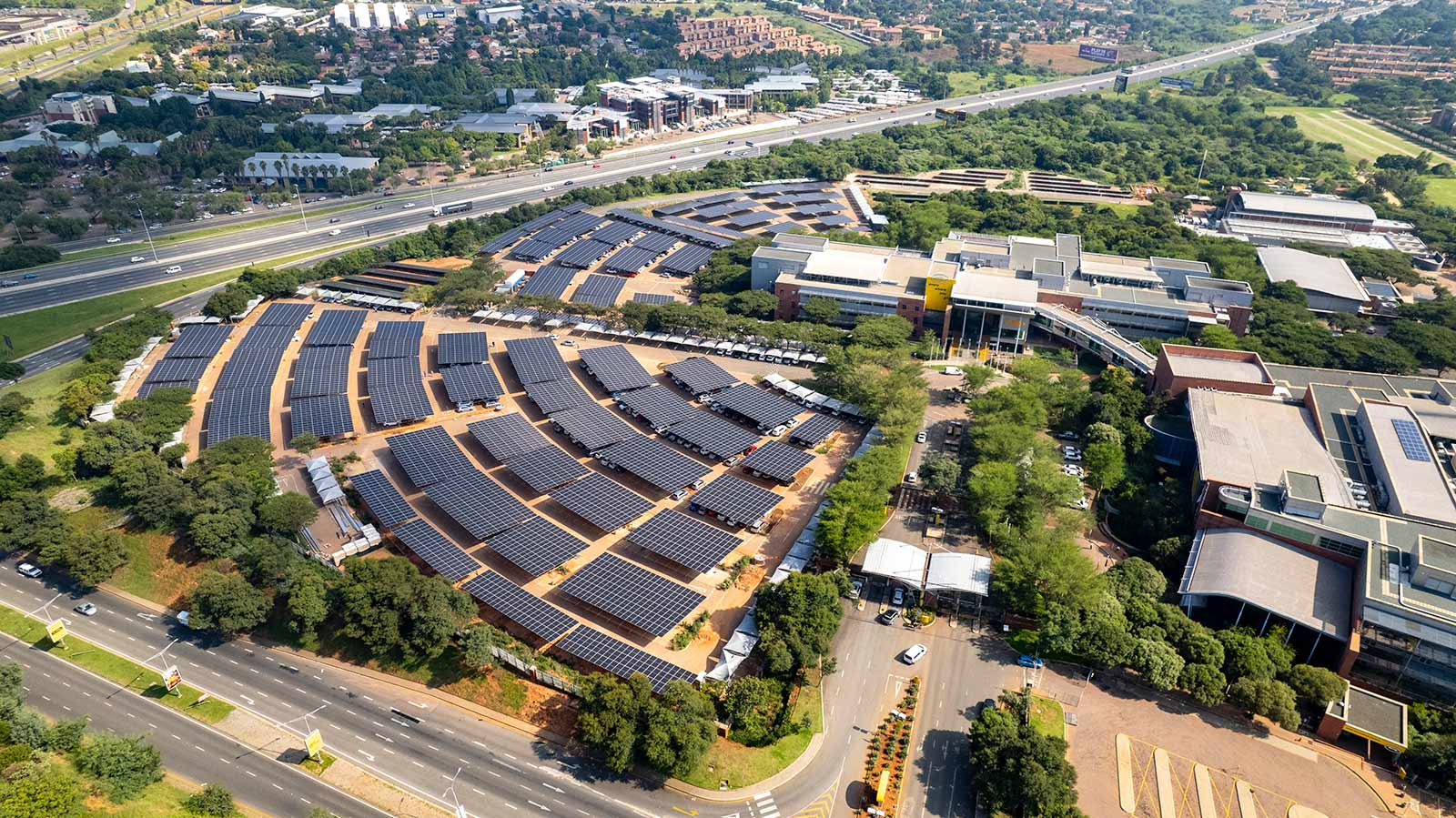
A notable initiative within this framework was the commissioning of the 14th Avenue Solar Park, a 5MW solar photovoltaic (PV) system with 6MWh battery storage, representing a practical application of the Substitute pillar within MTN’s Net Zero model.
Context and Response
South Africa faces high fossil fuel energy dependency, rising electricity costs and loadshedding due to major grid instability. The reliance on traditional power sources, such as coal and diesel generators, directly impact MTN South Africa’s ability to reduce emissions and manage energy costs.
To address these challenges, MTN South Africa accelerated its transition to cleaner, more stable energy alternatives, ensuring a more sustainable, cost-effective and resilient energy framework. The results reflect this shift. In 2024, MTN South Africa achieved a 64.2% reduction in Scope 1 and 2 emissions against a target of 12.5%. The actual emissions reduction achieved was 353 329tCO2e. This case study illustrates the successful application of the Substitute pillar of MTN’s Net Zer philosophy.
Emissions reduction
The system cut 5 937tCO2e in 2024, with full-year savings expected to reach 8 037tCO2e.
Cost savings
Achieved an opex reduction of R12.61 million in 2024. Going forward, it will be R12.6 million per annum and escalate as per NERSA’s cost of energy.
Enhanced business sustainability
Shielded MTN from rising grid electricity prices, which have increased by an average 13.5% year-on-year (2020 – 2024).
Outlook
Project Zero in South Africa demonstrates how large-scale solar integration, hybrid power solutions and innovative energy models can contribute meaningfully to emission reduction, cost control, and energy resilience. Looking ahead, MTN South Africa will continue to scale renewable energy adoption, optimise wheeling strategies and explore further electrification opportunities to support its long-term sustainability targets.
Bridging the digital divide: Empowering rural communities in Zambia
Sub-Saharan Africa is home to the world’s fastest growing population, yet it remains the region with the highest number of people without mobile coverage. More than 210 million individuals across rural areas in sub-Saharan Africa are still beyond the reach of telecom infrastructure or reliable power, limiting their ability to connect, transact, and participate in the digital economy.
This is the reality we are working to change.
At MTN, we believe everyone deserves equitable access to the benefits of a modern connected life. For rural communities, connectivity is a lifeline that can create opportunities, impacting livelihoods. It enables small businesses to reach new markets, allows farmers to check weather patterns or prices, and gives healthcare workers the means to call for urgent assistance. Yet, extending infrastructure into remote areas remains resource-intensive and technically complex.
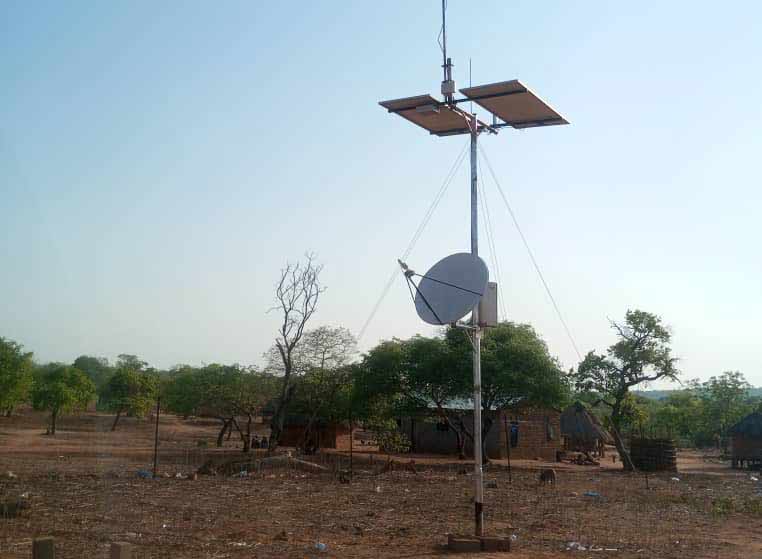
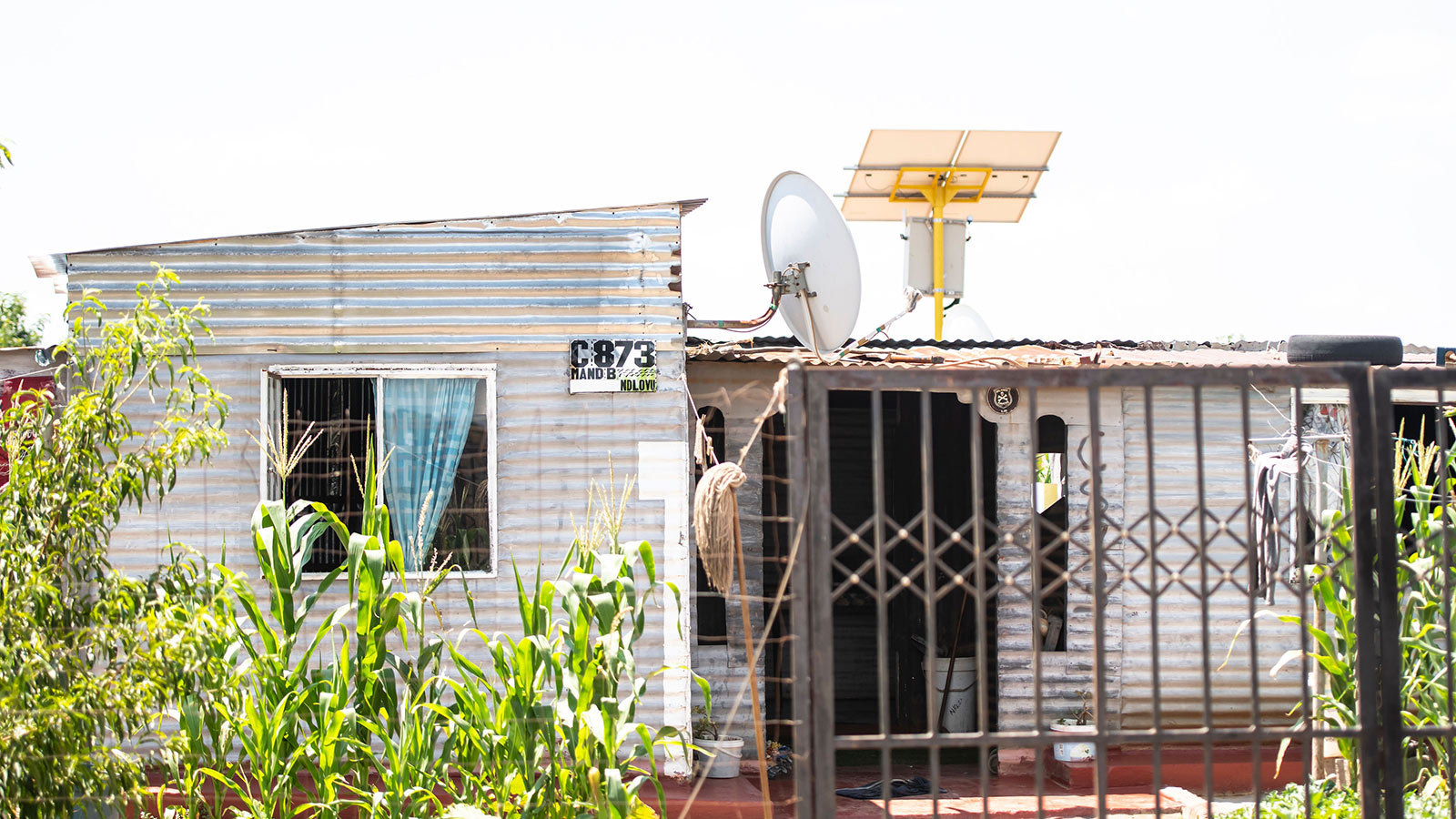
To help address these challenges, MTN Zambia has partnered with Africa Mobile Network (AMN) to expand coverage to rural and underserved communities across the country. AMN’s Network-as-a-Service (NaaS) model uses solar-powered infrastructure optimised for rural environments, allowing MTN to deliver 2G, 3G, and 4G services in areas previously off-grid, without requiring upfront capital or long-term operational risk.
Supporting Participation
Connectivity is only meaningful when people can use it. In partnership with AMN, MTN Zambia also supplies heavily subsidised mobile devices to residents in newly connected villages. The initiative includes support for the establishment of airtime vendors and mobile money agents, enabling broader access to financial services like deposits, withdrawals, and account management.
The effects are practical and visible. Gertrude Banda from Mawanda Village in Zambia reflects, “A long time ago we used to write letters to Lusaka. Now MTN thought of us and gave us phones so that we can communicate with people in Lusaka. When money comes, we are able to collect from MTN Mobile Money. Things are much easier because of the phones MTN has provided. So we are very grateful to MTN for bringing us phones here in our village.”
Stanley Kaluba, a Clinical Officer in Mawanda, echoes Gertrude’s sentiments: “We use the MTN network to make referrals for patients that need to go to the hospital and to call an ambulance in emergencies. MTN is a very good network, and since the time they installed this tower, it has really helped us.”
Connectivity is not only focused on enabling access to networks and affordable phones; it’s about leveraging economic empowerment. David Phiri, a mobile money agent, shares, “People come to my shop to withdraw money or open mobile money accounts. They can buy airtime through MTN MoMo or receive money from Lusaka. There are so many things I can do for a living now. I am very thankful.”
These experiences reflect the broader value of rural connectivity; giving individuals and households access to services that support daily life, from sending and receiving money to managing small enterprises, subscribing to insurance, or paying school fees.
A Collaborative Path Forward
MTN’s efforts to close the coverage gap are part of a broader, ongoing commitment to driving digital inclusion in the communities where we operate. While challenges remain, each newly connected village signals progress toward a more inclusive digital future.
The progress we’ve made reflects the strength of our partnership; with governments, technology partners , entrepreneurs, and local communities, each playing a role in shaping a more inclusive digital future.
As we continue to extend our reach, we do so with the understanding that lasting impact comes through shared effort. Together, we are creating the conditions for more people to access opportunity, stay connected, and take part in a more digitally inclusive society.
Climate Risk Assessments at MTN – A Story of Collaborative Climate Action
Our planet’s future depends on our collective ability to tackle the urgent threat of climate change. At MTN, we understand that climate change is an environmental concern and a critical business risk with significant financial implications. Embedding climate risk assessments into our operations is a critical part of our sustainability journey.
Ahista Hussain, MTN Group Senior Manager: Environmental Management and Governance, shares some insights into MTN’s approach and the lessons we’ve learned along the way.
1. How did you put together a successful business case to perform climate risk assessments?
We know that a compelling business case is essential for driving action. Our approach focuses on demonstrating the real financial impacts of climate change. We do this by integrating climate risks into our existing business processes, highlighting the potential socio-economic consequences, and quantifying the financial impact of extreme weather events, like the recent floods and veld fires that have affected our infrastructure, on our operations and customers. The World Economic Forum (WEF) has identified extreme weather as both a short-term and long-term risk, and we have seen these risks play out firsthand. This can lead to business interruption and financial losses, making adaptation planning vital. This data-driven approach, along with aligning with global best practices, industry guidelines and frameworks like those in our sustainability reports, ensures our climate adaptation initiatives are robust, transparent and effective. Climate risk mitigation is essential for business continuity and keeping our customers connected.
2. How to navigate an area with limited skills, expertise and experience, where climate change and climate risk assessments continue to be an evolving area?
Climate change and the ways we assess its risks are constantly evolving. We embrace this dynamic landscape by building a culture of continuous learning and collaboration. We rely on teams across MTN, drawing on their diverse expertise to deliver the best possible results. Our pilot Climate Change Risk Assessment (CCRA) was a valuable learning experience, allowing us to build our internal skills and knowledge through strategic partnerships with external experts. We took a phased approach, starting with a select scope of 27 assets across six markets, and, following the outcome of phase 1, focused on a material asset and associated hazards. This iterative process allows us to learn, adapt and improve our approach as the field develops.
3. What are the barriers and challenges in performing climate risk assessments at a regional level?
Assessing climate risk at a regional level comes with its own set of challenges. These include choosing the right models and dealing with complexity and uncertainty. The fact that local conditions can be very different means we need tailored approaches, which adds another layer of complexity. We also know how important it is to get buy-in from risk assessment participants and to show the shared value that comes from these assessments. Our pilot CCRA showed us just how important these tailored approaches are, given the range of climate risks across different regions. The insights the MTN SA team provided in phase two were crucial for data gathering and implementation. Other challenges, such as data availability and quality, different regulatory environments and the need for adaptation measures that are specific to each area, all make regional assessments more complex.
4. How do you intend to overcome the challenges?
We take a practical, step-by-step approach. We make sure our data sources and methods are documented to ensure transparency and replicability. We work with external experts to ensure our assessments are high-quality and reliable. Our South African Data Centre Adaptation Plan, which identified the material hazards of extreme heat and water stress, and the approach serves as a model that can be scaled and adapted to other data centres and regions. This targeted approach allows us to demonstrate tangible results and build momentum for broader climate action.
5. What were the lessons learned, and how is MTN taking climate risk assessment to the next level?
Our journey has yielded valuable lessons. We have learned the critical importance of context-specific approaches and the need to address gaps in existing methodologies. We understand the process, resource and execution requirements for effective climate risk assessment. To scale our efforts, we have developed a guide that Opcos can utilise and adapt to their local contexts, fostering an ongoing dialogue with stakeholders to refine our approaches over time. This incorporates best practices and lessons learned to empower local teams to conduct their assessments and develop tailored adaptation plans. Climate risk assessments are a building block to a sustainable future together.
Partnering for Progress: MTN Driving Digital Transformation in Collaboration with Government
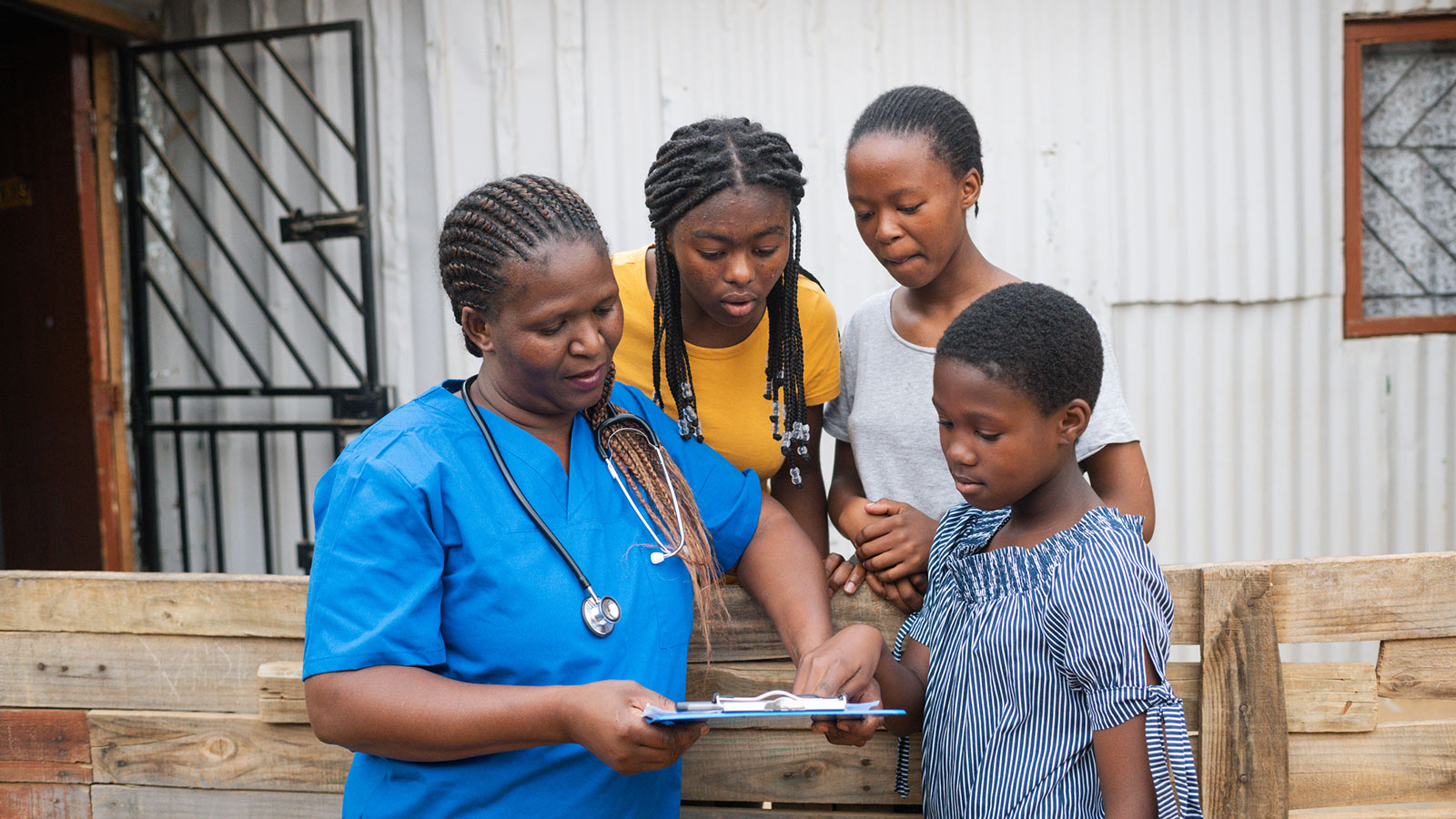
As South Africa accelerates toward its National Development Plan 2030 (NDP 2030) goals, digital transformation has emerged as a critical enabler of economic growth, education and improved public service delivery. Reliable connectivity is now essential for enabling efficiency, innovation and socio-economic progress.
Achieving nationwide digital inclusion, however, requires strong and strategic partnerships with public and the private sector. MTN South Africa, in alignment with national objectives, is working alongside government to modernise public sector operations, enhance network infrastructure and expand connectivity to underserved communities.
Through strategic collaborations such as the RT15 and RT29 transversal contracts, we are helping deliver practical, future-fit ICT solutions that support public sector transformation and bridge the digital divide, unlocking new opportunities for citizens, businesses and government institutions.
Empowering Public Sector Digital Transformation
A digitally enabled public sector offers the potential for more efficient governance, better service delivery and increased citizen engagement. Government institutions increasingly rely on secure, high-speed connectivity to drive initiatives such as smart city infrastructure, e-government services, and streamlined public sector operations.
Through the RT15 transversal contract, MTN is delivering mobility and connectivity solutions tailored to enhance productivity and security for public sector employees. These solutions enable seamless remote working, better interdepartmental collaboration, and faster access to critical government systems, ultimately improving service delivery to South Africans.
Participation in the RT29 transversal contract further enables MTN to support municipal digitisation, including the implementation of smart electricity and water technologies across South Africa’s 257 municipalities. This work helps lay the foundation for a more resilient, responsive, and future-ready public sector, equipped to meet the demands of a digital future.
Investing in Connectivity to Bridge the Digital Divide
Beyond government departments, broadband access is fundamental to inclusive economic growth. Many South African communities, particularly in rural and underserved areas, are challenged with limited connectivity, which hinders access to education, healthcare and economic opportunities.
MTN has committed to expanding its network footprint in these areas, investing in rural connectivity projects that introduce high-speed internet to those who need it most. By deploying 4G and 5G infrastructure, we are ensuring that more citizens, businesses and public institutions can access digital tools and services that drive economic growth. Our 4G cover represents 97% of the South African population, while 5G represents 44%.
A Call for Collaborative Digital Acceleration
While MTN has made significant strides in enhancing South Africa’s digital landscape, the journey to a fully connected and digitised nation requires collaboration at every level. The private sector cannot work in isolation from the government, policymakers, and industry players must align efforts to create an ecosystem that fosters innovation, investment and accessibility.
To accelerate this progress, we must focus on:
- Scaling public-private partnerships (PPPs): Stronger collaboration between government and technology providers will ensure digital solutions reach all sectors of society.
- Advancing regulatory frameworks: Supportive policies on spectrum allocation, broadband pricing and infrastructure investment will drive wider adoption of digital services.
- Prioritising digital skills development: Beyond connectivity, South Africans must be equipped with digital literacy and ICT skills to fully participate in the digital economy.
MTN remains committed to working alongside government, regulators, and industry partners to help build a more connected, inclusive future. Through shared investment, innovation, and purpose, we can support a South Africa where no community is left behind in the digital era.

Joining JAC to accelerate sustainability across our supply chain
MTN Group has joined the Joint Audit Cooperation (JAC), a globally recognised industry body committed to promoting technologies and practices that foster environmental, social and governance sustainable practices. This strategic move reinforces MTN’s commitment to integrating sustainability into its business operations and supply chain partnerships, aligned with our broader vision of creating shared value.
“As the leading operator in many of our markets, we recognise that in partnering with JAC we have a significant opportunity to contribute to the collective agenda of driving greater adoption of environmental and social practices across our supply chain and the sector. This is how we realise the outcomes we aim for in placing ESG at the core,” says MTN Group Executive for Corporate Affairs and Sustainability Nompilo Morafo.
Telecommunications is a rapidly evolving industry, shaped by emerging technologies, shifting business models, and an expanding landscape of sustainability-related opportunities and risks. Joining JAC allows MTN to work alongside industry peers to address these challenges through collaboration and collective accountability.
“We recognise the unique blend of know-how that these two well-established bodies bring. In joining, we are able to verify the ESG related performances of our top 20 suppliers and their sub suppliers who have already been audited. The memberships also provide a platform to further enhance the audit coverage across our supplier base,” says MTN Group Executive for Procurement & Supply Chain Management Dirk Karl.
Founded in 2010, JAC brings together many of the world’s largest telecoms operators to share resources, audit insights and best practices advancing long-term corporate social responsibility in the different tiers of the ICT supply chain globally. Collaboration between the largest operators promotes sustainable sourcing globally.
“On behalf of JAC and its member companies, we are very pleased to welcome MTN on-board with us and look forward to working together. This provides us with further diversity from African and Middle Eastern continents in our collaboration on making progress on supply chain sustainability topics and issues,” says Paras Shah, JAC Chairman.
MTN’s supply chain comprises approximately 15,000 suppliers operating across a multi-tiered global network. As we continue to scale, our commitment is to work with partners who uphold the same high standards of ethical conduct, environmental stewardship, and social responsibility.
Membership in JAC strengthens MTN’s ability to ensure ESG compliance and transparency throughout the supply chain – through independent audit processes and by building alignment around shared goals with like-minded operators.

In today’s digital economy, cybersecurity is a critical enabler of trust, safety, and resilience. As digital services expand, so too do the risks: financial fraud, data breaches, and identity theft increasingly threaten individuals, businesses, and national infrastructure. In Ghana, where digital adoption is growing rapidly, the need for increased cybersecurity awareness and education is clear. Human behaviour remains one of the most exploited vulnerabilities in cyberattacks, making user education as vital as any technical defence.
Against this backdrop, MTN Ghana observed Cybersecurity Awareness Month 2024 under the theme “Living with Security”. The initiative underscores MTN’s commitment to fostering a secure digital environment for all stakeholders and responds to the rise in cybersecurity threats facing Ghana.
Announcing the campaign, MTN Ghana’s CEO, Stephen Blewett, emphasised the critical importance of collective vigilance in securing the digital ecosystem, stating, “In today’s interconnected world, cybersecurity is a shared responsibility.”
As a key player in Ghana’s digital economy, MTN continues to prioritise cybersecurity as a core business imperative by investing in secure infrastructure and equipping stakeholders with the knowledge needed to safely navigate the digital landscape.
Throughout October, MTN Ghana led a series of awareness-building activities, including media training sessions, student outreach programmes and collaborative forums hosted in partnership with the Ghana Chamber of Telecommunications. These engagements focused on emerging threats, evolving user behaviours and best practices in cybersecurity.
Chief Information Officer for MTN Ghana, Bernard Acquah, highlighted the importance of cybersecurity, saying, “Cybersecurity is a fundamental aspect of living in the digital age. At MTN, we are dedicated to empowering our community with knowledge and tools for online safety. Our theme, ‘Living with Security,’ reflects this commitment.” He also encouraged greater participation in Cybersecurity Awareness efforts and stressed the need for proactive digital security practices to keep pace with evolving online risks.
Cybersecurity is a long-term commitment. By promoting awareness, MTN Ghana contributes to building a more informed and vigilant digital society. When individuals understand risks and adopt safer online behaviours, the entire ecosystem becomes more resilient.
Through sustained awareness initiatives, partnerships, and practical education, MTN Ghana continues to support national efforts to safeguard the digital economy and protect users across the country.
Transforming Futures: The Impact of MTN Skills Academy in Eswatini
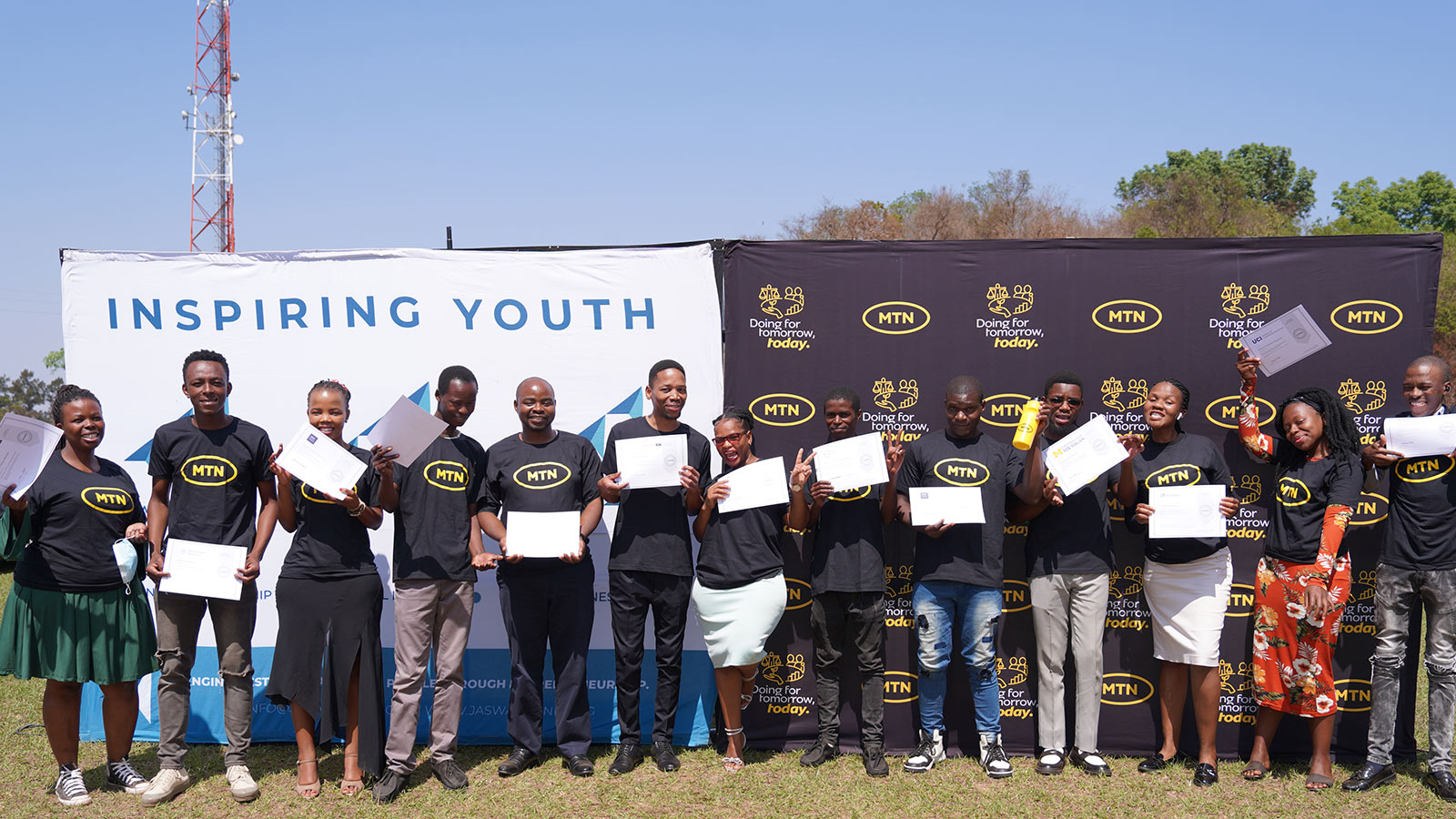
In the heart of Eswatini, the MTN Skills Academy Academy is creating new pathways for youth empowerment, equipping thousands of young people with the digital skills needed to succeed in a fast-changing world. This transformative initiative is bridging the digital divide and helping to build a future-ready workforce.
Through the Skills Academy, over 2,500 free learning licenses licences have been made available to students across the country. The programme offers a broad spectrum of online courses covering in-demand subjects such as software development, data analysis, social media management and financial literacy, all designed to prepare learners for the challenges of the modern job market.
The success of the Skills Academy is rooted in strong, strategic partnerships. MTN Eswatini worked closely with key stakeholders, including the Eswatini Communications Commission (ESCCOM), Junior Achievement (JA), ENACTUS, and the Youth Enterprise Revolving Fund (YERF) to expand reach and impact. These partnerships provide learners digital tools, mentorship, career guidance, and opportunities for further growth.
The MTN Foundation has played a key role in enabling this initiative through sustained financial support, ensuring continuous expansion and improvement of the programme.
Real Stories, Real Impact
The true impact of the MTN Skills Academy is best illustrated through the powerful stories of its beneficiaries. For instance, Sipho Dlamini, a young man from Mbabane who transformed his life through the Skills Academy. By learning data analysis and software development, Sipho gained the skills that helped him secure a position as a data analyst at a leading tech company. Reflecting on his journey, Sipho shares, “The Skills Academy changed my life. It opened doors I never thought possible.”
Similarly, Tandzile Dlamini, another passionate participant, completed 18 foundation courses. She emphasises the practicality and relevance of the training, noting, “the courses were not only accessible but directly applicable to the job market. I now feel more confident and prepared for my career.”
More than an educational programme, the MTN Skills Academy is a strategic enabler of inclusive economic growth and digital transformation. Its goals align closely with the Government of Eswatini’s vision for sustainable development, improved service delivery, and national advancement through technology and education.
As the digital economy continues to evolve, initiatives like the Skills Academy are essential in cultivating a digitally literate, future-ready generation.
Looking Ahead
MTN Eswatini remains deeply committed to deepening its impact, working with partners to scale the initiative and extend its reach. The Skills Academy stands as a testament to what is possible when technology, partnership, and purpose come together in service of youth development.
In Eswatini, the MTN Skills Academy has become a lifeline equipping young people with the skills, confidence and opportunity to realise their potential.