













Archives: Case Studies

The challenge and what we wanted to achieve
When MTN Ghana committed to accelerating its Project Zero ambitions, the absence of renewable energy at MTN House, the company’s head office in Accra, stood out as a critical gap. For Jojo Karifala, Manager for Facilities Projects Implementation, the challenge was clear: MTN needed to begin reducing the carbon footprint of its own estate if it was serious about leading the shift to clean energy.
The company’s long-term ambition was to transition MTN House toward a resilient, cost-efficient and sustainable energy model that would support both operational needs and MTN’s environmental commitments. Introducing solar energy aligned directly with MTN’s purpose to enable progress and improve lives through responsible business practices, while contributing to SDG 7 (Affordable and Clean Energy), SDG 9 (Industry, Innovation and Infrastructure) and SDG 13 (Climate Action).
What we did
With capital funding approved under MTN Ghana’s CAPEX programme, Karifala coordinated a cross-functional effort to deliver the first large-scale renewable energy installation at MTN House. The Power Operations team designed the system architecture and integrated it into the building’s power network. Procurement support from GSSC ensured the engagement of a qualified vendor, Process and Plants Ltd., while the General Services, Safety and Security teams oversaw safe, compliant execution throughout construction. The Enterprise and Facilities Implementation team, led by Karifala, managed overall project delivery, ensuring timelines, vendor coordination and technical quality were met. The Sustainability team guided alignment with MTN’s environmental strategy, while extensive stakeholder engagement supported the acquisition of Environmental Protection Agency (EPA) permits, including approval to clear selected undeveloped trees to construct the solar panel support structure.
Outcomes and impact
The team successfully installed a renewable energy solution that transformed the way MTN House consumed power. The installation of the 574kWp photovoltaic solar system delivered substantial and measurable gains. During daytime operational hours (6:30 a.m. to 5:30 p.m.), the system supplied 32% to 38% of MTN House’s energy needs, contributing an average of 27% of total daily consumption. This clean-energy shift is expected to reduce MTN Ghana’s carbon emissions by 393.6 tonnes per year, equivalent to planting between 12,000 and 18,000 trees. With a projected annual generation of 842.5 MWh, the system is estimated to save the company GHS 1.7 million annually in avoided energy costs.
Beyond the numbers, the project increased organisational awareness of renewable energy, strengthened cross-team collaboration and reinforced a culture of environmental accountability. Most importantly, it enhanced energy resilience for MTN House, ensuring more stable power for essential business systems and customer-facing operations.
Lessons learnt
Karifala states that a lesson learnt was on the value of early cross-functional collaboration, especially when technical, regulatory and operational considerations intersect. The importance of securing environmental permits early to avoid delays in implementation cannot be understated. The experience also demonstrated the need for continuous monitoring and optimisation of the solar system to sustain long-term performance.
The challenge and what we wanted to achieve
Smallholder farmers across Nigeria rely heavily on predictable weather patterns to guide planting, irrigation, and harvesting. Increasing climate variability (including heatwaves, storms, and flooding) makes these decisions more difficult, reducing yields and threatening livelihoods. Agriculture contributes approximately 23% of Nigeria’s GDP and employs around 30% of the workforce, making climate shocks a national concern. In 2024, the Food and Agriculture Organisation estimated agricultural losses of approximately 855,629 tonnes due to flooding, equivalent to feeding about 8.5 million people for six months.
What we did
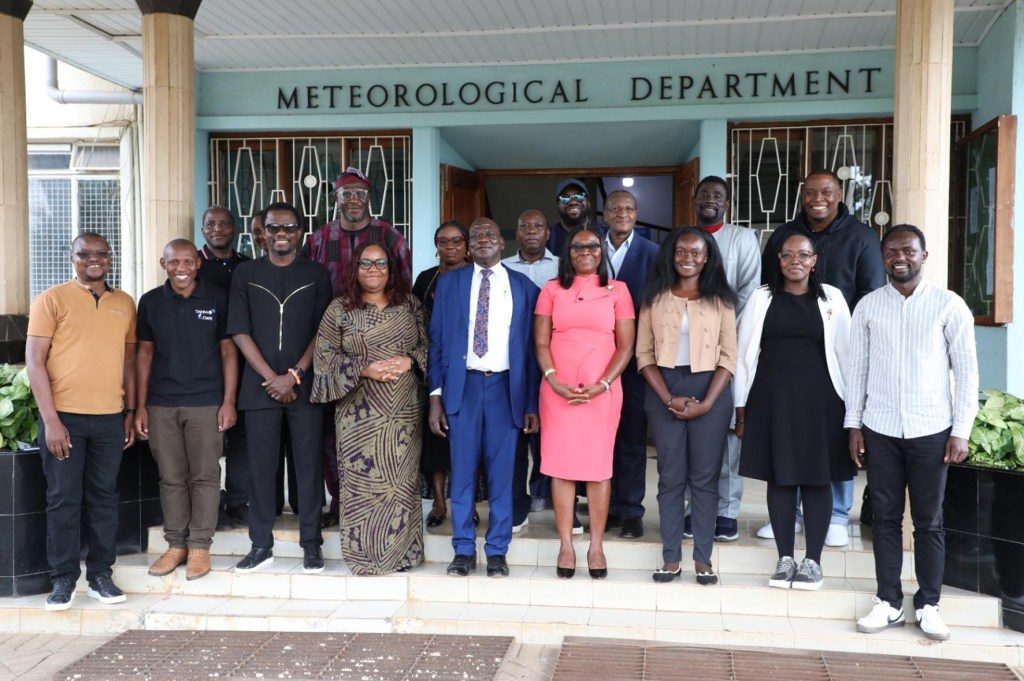
To support the delivery of timely, localised and actionable weather intelligence to farmers, in line with the UN’s “Early Warning for All” initiative and aligning with our strategy to strengthen climate resilience, digital inclusion, and sustainable rural economies, MTN Nigeria partnered with Tomorrow.io and the Nigerian Meteorological Agency (NiMet) to design and pilot a Digital Climate Advisory Services (DCAS) platform. This was formalised through a tripartite MoU signed in 2025, with the Pilot phase planned for March 2026.
The DCAS system integrates NiMet’s meteorological expertise, Tomorrow.io’s hyperlocal AI-driven forecasts, cloud infrastructure, and MTN’s mobile network capabilities to deliver weekly SMS advisories tailored to local farming cycles. SMS was selected to ensure full accessibility across both feature phones and smartphones, maximising reach among smallholder farmers. A pre-pilot engagement with key internal stakeholders has been completed, helping to clarify requirements related to automation, message design, regulatory engagement, and data privacy safeguards. In addition, a study visit to Kenya provided benchmarking insights from a comparable digital advisory system serving about 6.7 million farmers.
Outcomes and impact
“When live, the DCAS platform will deliver weekly, location-specific advisories aligned to planting seasons and crop calendars, helping farmers make informed decisions about sowing, irrigation, fertiliser application, and pest management”. Temilade Olabanji, Senior Manager: Sustainability and Shared Value, MTN Nigeria.

The challenge and what we wanted to achieve
When MTN launched its bioSIM initiative, Patrick Afari, General Manager for Supply Chain Management and General Services at MTN Ghana, immediately recognised that the innovation would be a strong fit for the Ghanaian market. With millions of SIM cards circulating each year, the opportunity to replace traditional plastic cards with biodegradable, FSC-certified paper-based versions aligned with MTN Ghana’s ambitions to reduce waste, support responsible consumption and adopt more sustainable materials across its operations. “The move from traditional plastic SIM card holders to biodegradable ones was a pivotal statement in our strive towards doing more for the Planet,” Afari reflected.
Firstly, the move aimed to reduce the use of non-biodegradable plastics and petrochemical-based materials and replace these with paper-based biodegradable SIMs that support sustainable materials management, waste reduction and circular-economy practices. This sought to promote environmentally responsible design and manufacturing. The shift to biodegradable materials would also help reduce carbon emissions associated with plastic production, processing and disposal. It would encourage climate-friendly innovation within our telecom sector by cutting down on landfill waste and incineration of plastic. Finally, by reducing plastic waste directly, MTN Ghana would help protect terrestrial ecosystems and biodiversity from plastic pollution. Since biodegradable materials decompose naturally, there would be associated minimised harm to soil and wildlife habitats.
What we did
The transition supported MTN’s broader strategy to minimise its environmental footprint while contributing to SDG 12 (Responsible Consumption and Production), SDG 13 (Climate Action), SDG 15 (Life on Land) and SDG 9 (Innovation and Infrastructure). The goal was clear: offer a more sustainable SIM card without disrupting customer experience or operational efficiency.
Outcomes and impact
Between Q4 2024 and Q3 2025, MTN Ghana undertook a coordinated, cross-functional programme to transition from plastic to biodegradable SIM cards. Afari led the initiative within the corporate services and supply chain portfolio, working closely with teams across IT, Marketing, Sales and Distribution and Sustainability & Shared Value.
The transition began with identifying vendors from MTN Group’s approved supplier base capable of producing biodegradable SIM cards to the required technical and environmental standards. A formal procurement process ensured competitive pricing and opportunities for local partnerships. Vendor samples underwent a rigorous quality assurance process, including network compatibility testing and durability checks managed by the IT team.
Marketing developed updated artwork for the new SIM format, while Sales and Distribution aligned inventory planning to phase out existing stock without interrupting supply. Once specifications were approved, the Supply Chain team placed orders, monitored delivery timelines and coordinated distribution into the market to ensure a seamless transition for customers.
The initiative delivered clear environmental benefits. By replacing plastic SIM cards with biodegradable alternatives, MTN Ghana reduced approximately 22 tonnes of plastic annually, the equivalent of 16 cubic metres of waste avoided across the value chain.
The project also strengthened internal alignment around sustainability. Teams saw firsthand how product design, procurement and distribution choices could reduce environmental impact, sparking discussions on eliminating plastics in other operational areas. Externally, the transition reinforced MTN Ghana’s position as a responsible industry leader committed to climate action and responsible product innovation.
Lessons learnt
A few lessons were learnt along the way, says Afari.
Lesson 1: Sustainability requires systemic thinking
Switching materials required rethinking the entire supply chain, showing the importance of embedding sustainability early so all partners understand and support shared environmental goals.
Lesson 2: Innovation comes with operational challenges
Biodegradable materials needed rigorous testing for durability, moisture resistance and compatibility, confirming that continuous innovation and supplier collaboration are essential.
Lesson 3: Environmental gains need a measurable impact
Clear metrics are needed to track real benefits such as reduced carbon footprint, recyclability and waste diversion, ensuring that progress is evidence-based.
Lesson 4: Communication builds brand value
Stakeholders responded positively when the environmental benefits were clearly explained, reinforcing the value of purposeful communication in driving trust and engagement.
Lesson 5: Small steps inspire broader transformation
Although a SIM card is a small product, this shift sparked broader conversations about reducing plastics in packaging, marketing materials and accessories, becoming a blueprint for wider change.
Lesson 6: Avoid the temptation of overstating impact
To maintain credibility and avoid greenwashing, impacts must be communicated accurately — for example, explaining that replacing 10 million SIM cards avoids about 5,000 kg of material entering the environment.

Country: Benin
“At MTN Benin, we believe sustainability is not an obligation but an opportunity to create shared value. By transforming our own paper waste into clean energy, we are reducing our footprint while empowering local green enterprises to shape a more resilient Benin.”
MTN Benin CEO: Uche Ofodile
The challenge and what MTN wanted to achieve
Across Benin, traditional wood charcoal remains a primary household cooking fuel, contributing to deforestation and environmental degradation. At the same time, large volumes of paper and organic waste are disposed of daily. Within our own operations, MTN Benin recognised both the environmental impact of office-generated paper waste and the opportunity to convert this waste into a productive resource. We set out to reduce our waste footprint, support local green enterprises and contribute to cleaner, more sustainable energy solutions.
What we did
To achieve this, MTN Benin partnered with ETS Arpy Reigns, a local enterprise based in Houedo-Adjagbo in Abomey-Calavi that produces ECO-SIKA ecological charcoal from organic waste. We introduced a structured waste-segregation system across our offices by installing labelled bins for paper collection. Our cleaning and maintenance teams coordinated daily collections, which were managed by Arpy Reigns. The collected paper was added to a broader organic waste stream that included agricultural residues such as corn leaves, cassava peels and rice husks. This material was then transformed into ECO-SIKA charcoal, a non-polluting, affordable and smokeless alternative cooking fuel.
Outcomes and impact
Since the partnership began, more than 20 tons of MTN Benin’s paper waste have been recycled through the Eco-Charcoal programme. This reduced the volume of waste sent to landfill while supporting our carbon-reduction objectives. The initiative also generated income through the sale of ecological charcoal and promoted green entrepreneurship at a local level. In addition, the project created jobs in waste collection and processing and provided targeted training and material support for people with disabilities. By replacing wood-based charcoal with a waste-derived energy source, the project helped to combat deforestation, lower greenhouse gas emissions and protect biodiversity. ECO-SIKA charcoal proved to be efficient, smokeless and non-blackening, improving indoor air quality and reducing damage to household cooking utensils.
User groups
Households
Reason for adoption
“We have adopted eco-friendly charcoal for cooking because it reduces pollution and protects our health.”
Restaurants
“Our restaurant favours eco-friendly charcoal, a sustainable alternative that respects the environment without compromising on taste.”
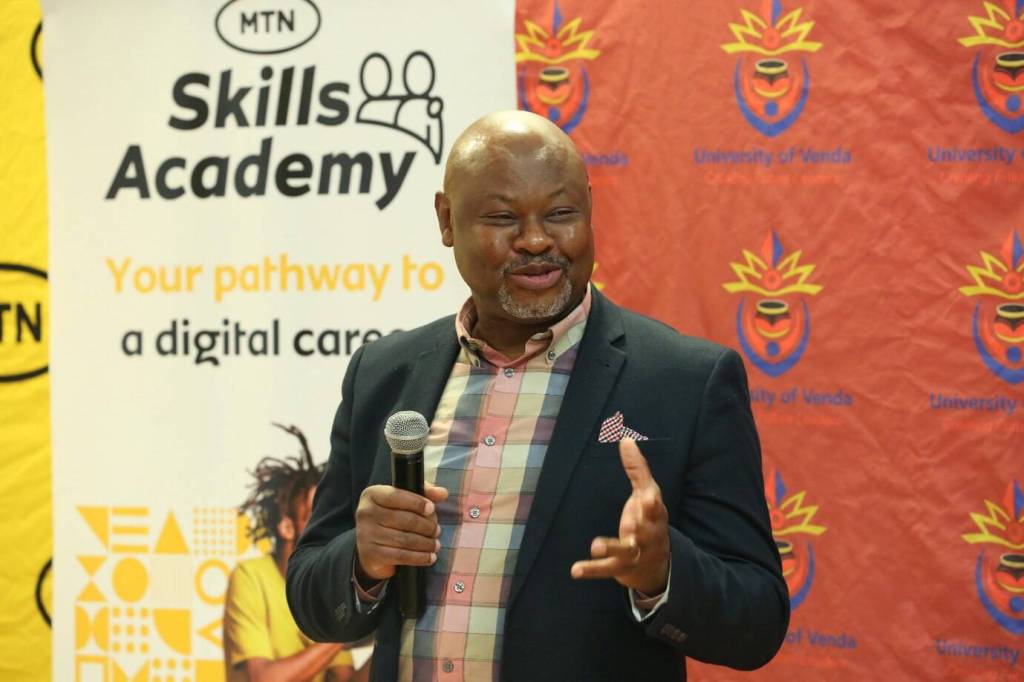
When MTN first partnered with Datacomb in 2013 to implement an SME incubation programme through the MTN Foundation, we were a small business with a big ambition: to use technology to unlock opportunity.
Over the years, that partnership has allowed us to grow from supporting a handful of enterprises at a provincial ICT hub to delivering multi-province digital skills and enterprise development programmes focused on youth and women-led businesses. As MTN’s focus evolved towards demand-led digital skills and employment pathways, we scaled with them, reaching learners across Gauteng, Limpopo, Mpumalanga and the North West.
Today, Datacomb employs 25 people directly and works with a broad network of learners, SMMEs and community agents. In 2025, we became an official MTN distributor under the Enterprise Business Unit, deploying 30 agents across three provinces to distribute MTN products, including MoMo.
What this partnership has given us is more than revenue growth. It has given us credibility, scale and the confidence to build programmes that create real jobs. We are not only delivering services to MTN, we are also building sustainable enterprises that contribute meaningfully to local economies.
Country: Ghana
The challenge and what MTN wanted to achieve
Sustained economic growth across Africa depends on strong public finances, with tax contributions playing a critical role in enabling governments to invest in infrastructure, public services and inclusive development. In Ghana, where macroeconomic recovery remains a priority, we recognised an opportunity to contribute meaningfully to national development beyond our core operations. Our objective was to support long-term economic resilience by combining responsible tax practices with continued investment in connectivity, digital innovation and financial inclusion, in line with our purpose of enabling the benefits of a modern connected life for all.
What we did
In 2025, MTN Ghana delivered a record fiscal contribution, paying GHS8.0 billion (US$636 million) in direct and indirect taxes, including fees and levies to government agencies. These contributions were supported by strong operational performance and sustained investment in network expansion and service quality, with approximately GHS4.6 billion allocated to capital expenditure. Investments focused on expanding 4G coverage, strengthening network resilience and enhancing digital platforms to meet growing demand for data and financial services.
Outcomes and impact
These efforts translated into measurable economic and social impact. MTN Ghana’s tax contributions directly supported national revenue generation, while infrastructure investments improved connectivity for millions of users. Mobile subscribers grew to 31.2 million, with 19.9 million active data users and 19.3 million Mobile Money users, expanding access to digital and financial services across the country. The Mobile Money ecosystem also created significant employment opportunities, with over 304 000 agents participating in the value chain, many in underserved communities. Together, these outcomes strengthened economic participation, supported small businesses and contributed to Ghana’s broader digital transformation agenda.
Lessons learnt
This experience reinforced that responsible tax practices are most effective when integrated with sustained investment and inclusive business models. It highlighted the importance of maintaining transparency, engaging constructively with regulators and aligning fiscal contributions with long-term development priorities.

Country: Uganda and Nigeria
The challenge and what MTN wanted to achieve
Across Africa, the demand for reliable mobile and broadband services continues to grow, yet large parts of rural and peri-urban communities remain underserved due to the high cost of deploying network infrastructure in low-density areas. Traditional parallel rollout models often led to duplication of expensive assets, slower coverage expansion and higher operating costs, all of which constrained progress toward universal access. To address this challenge more efficiently and inclusively, MTN Group and Airtel Africa pursued a collaborative approach that could extend connectivity while supporting affordability and long-term network sustainability.
What we did
In April 2025, MTN Group and Airtel Africa entered into strategic agreements to share network infrastructure in Uganda and Nigeria, in full compliance with local regulatory and statutory frameworks. The agreements enabled the two operators to share selected passive and active network components while continuing to operate as fully independent competitors in the market. By pooling resources where duplication offered no customer benefit, the collaboration focused on improving cost efficiencies, accelerating rural coverage and enhancing the quality and resilience of voice and data services. The initiative was aligned with both companies’ commitments to expand digital and financial inclusion while strengthening the underlying digital highways that support economic participation.
Outcomes and impact
The network-sharing arrangements targeted improved 4G and 5G expansion in underserved areas, where deploying standalone towers, fibre backhaul and power infrastructure was often commercially unviable. Through shared infrastructure, MTN and Airtel Africa aimed to reduce capital and operating expenditure, unlock faster network deployment timelines and improve service availability for millions of customers who previously experienced limited or unreliable connectivity. The approach supported national universal service objectives in both Uganda and Nigeria, while also reducing the environmental footprint associated with duplicated network assets.
Following the conclusion of the initial agreements, MTN and Airtel Africa began exploring additional collaboration opportunities in Congo-Brazzaville, Rwanda and Zambia, including the potential for radio access network sharing and fibre-infrastructure partnerships.
Lessons learnt
This initiative demonstrated how responsible collaboration within competitive markets can accelerate access, strengthen network resilience and support inclusive digital growth. It also reaffirmed MTN’s commitment to expanding access to high-quality connectivity in a way that is efficient, sustainable and focused on long-term value for customers and communities.
Etleva Kadilli, UNICEF Regional Director for Eastern and Southern Africa
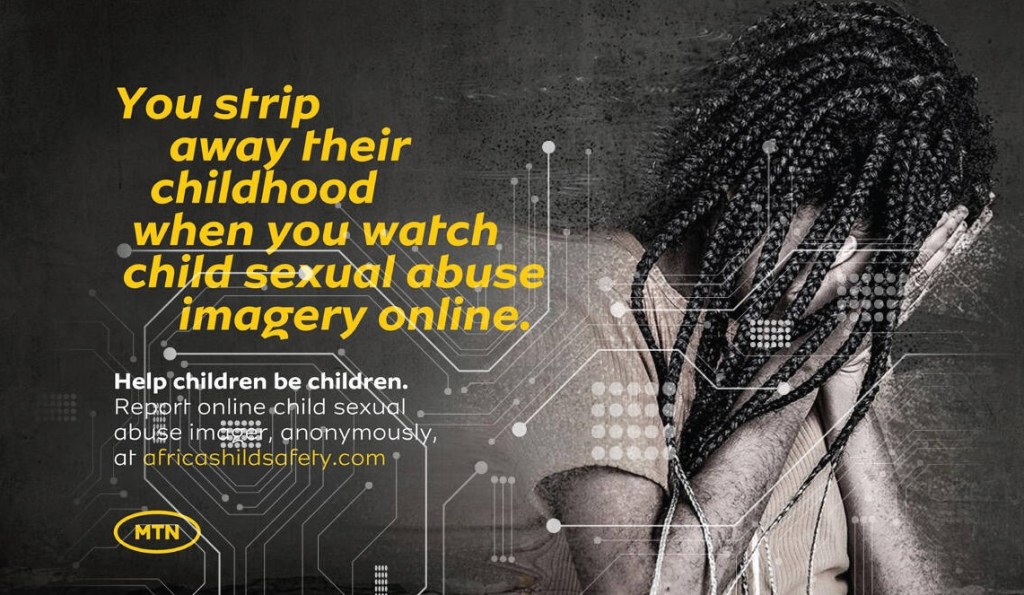
In 2025, MTN strengthened its contribution to child safety by joining the Africa Taskforce on Child Online Protection, launched at the Mobile World Congress Africa in Rwanda. The Taskforce brings together mobile operators, global technology companies, regulators, academia and civil society to co-ordinate a unified, Africa-wide response to emerging online risks affecting children.
The Taskforce is structured around shared objectives to strengthen prevention, protection and response across the continent. These include advancing safety-by-design in digital products and services, improving the accessibility and effectiveness of reporting and referral mechanisms, enhancing digital literacy and resilience among children and caregivers, and supporting greater policy coherence and regulatory alignment on child online protection. The initiative also seeks to promote stronger data-sharing, cross-sector collaboration and collective action to address rapidly evolving risks such as AI-generated harmful content.
As an early participant, MTN contributes operational insight and digital human rights expertise across multiple workstreams, including advocacy, policy alignment and technical safeguards. Our involvement helps elevate child protection as a regional priority, informs more consistent approaches to online safety across markets and supports the development of safer, more resilient digital environments for children across Africa.
Country: South Africa (five provinces: North West, Gauteng, Western Cape, Limpopo and Mpumalanga)
The challenge and what MTN wanted to achieve
South African children face growing risks in digital spaces, including cyberbullying, online exploitation, disinformation and exposure to child sexual abuse material. While children’s rights are protected under Section 28 of South Africa’s Bill of Rights and international conventions, many schools lack the policies, technical capacity and training to respond effectively to online harms. Through our Help Children Be Children campaign and the Bona Bana Programme, we aim to close this gap by strengthening digital literacy, safeguarding systems and increasing children’s participation in decisions that affect their online lives. Our objective is to ensure that digital inclusion is matched with protection, responsibility and ethical use of technology.
What we did
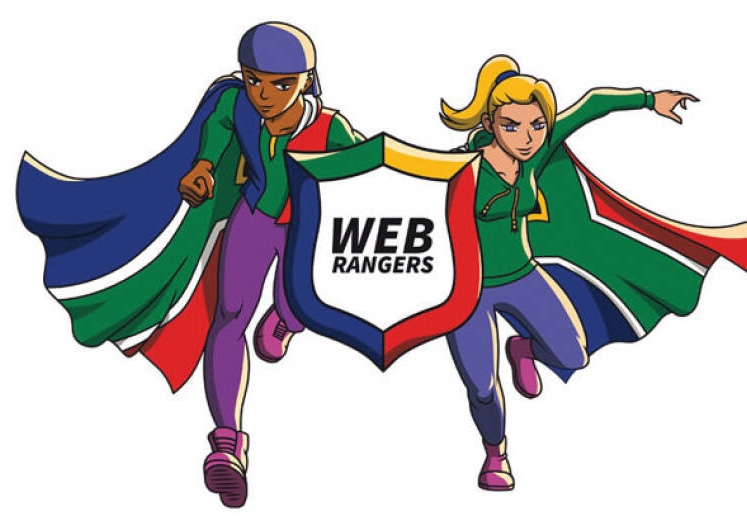
In 2025, MTN South Africa partnered with Moxii Africa to implement the Web Rangers and Article 12 Policy Working Group initiative across five provinces. A Representative Council of Learners, comprised of 246 children aged 12 to 17, took part in intensive two-day provincial training workshops. Learners rotated through interactive learning stations covering:
- AI and algorithms
- mental health
- cyber-ills, including sexting, cyberbullying, online gender-based violence and child sexual abuse material
- managing personal information
- responsible communication
- inappropriate and harmful online content.
After completing the training, the Web Rangers returned to their schools and worked alongside teachers to train an additional 1 217 learners using a peer-to-peer education model.
Outcomes and impact
The programme expanded beyond classrooms through anti-bullying campaigns for parents and outreach during Safer Internet Day and Child Protection Week, reaching a further 1 626 learners. The Article 12 Policy Working Group enabled trained Web Ranger ambassadors to participate in policy and advocacy processes, including research on climate change disinformation, contributions to a national child-protection policy brief, the development of a fourth educational comic on AI and disinformation and a three-part podcast series released during the 16 Days of Activism campaign. The initiative was supported by partners including Google South Africa, Meta South Africa, Falcorp, the Media Development and Diversity Agency, the Film and Publication Board and the South African Police Service.
The Bona Bana Programme strengthened digital citizenship, safeguarding practices and reporting capacity within participating school communities. In 2024, 35 teachers, five school governing body members and 146 RCL learners were trained on the legal framework for child online safety, while 2 424 learners and 450 parents were reached through broader engagement. 95% of teachers reported feeling more confident addressing online safety in classrooms and schools began integrating Web Rangers content into their safeguarding policies.
Lessons learnt
The programme also demonstrated the importance of accessible language, early engagement with school governance structures and diversified funding to sustain long-term advocacy. These lessons are shaping the next phase of expansion of the Bona Bana model and reinforcing our commitment to responsible connectivity and ethical digital inclusion.
Country: South Africa
The challenge and what MTN wanted to achieve
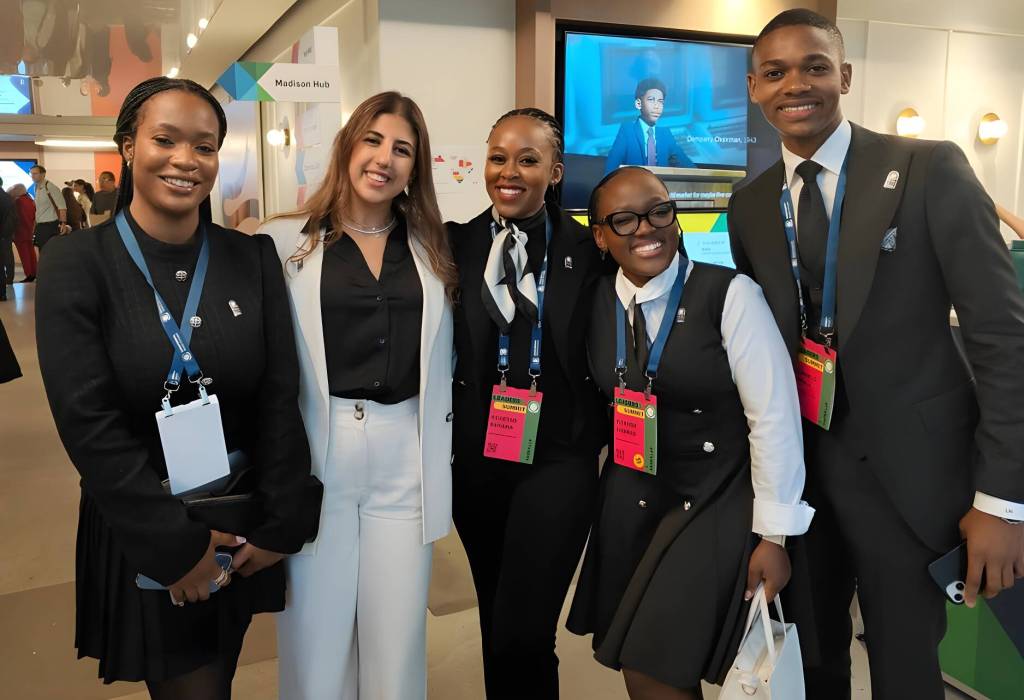
With only a few years remaining to achieve the 2030 UNSDGs, the world faces an urgent need to move faster, with Africa confronting particularly acute challenges around inequality, youth unemployment and digital safety. We recognise that accelerating progress would require not only corporate action but also empowered young leaders able to turn bold ideas into scalable solutions. Through our participation in the UN Global Compact’s SDG Innovation Accelerator Programme for Young Professionals, we provide a platform for emerging talent within MTN to shape solutions to real-world sustainability challenges.
What we did
In 2025, a team of four MTN graduates from South Africa was selected to participate in the global nine-month Accelerator programme. Supported by structured learning, global peer exchange and expert mentorship, the team developed an AI-powered solution to address the rapid rise in online harms affecting children. The concept focused on shielding children from predators, limiting exposure to harmful content and reducing cyberbullying in digital environments. As some of the youngest participants in the programme, the team translated lived digital experiences into a practical, technology-enabled response to a growing societal risk.
Outcomes and impact
The programme culminated at the United Nations General Assembly in New York, where the MTN graduate team was selected as one of only two African teams to present their solution at the UN Global Compact Leaders’ Summit. Their project earned top recognition at the global showcase and directly supports SDG 16.2 on ending abuse, exploitation and violence against children, while also contributing to SDG 3’s health and well-being outcomes. The recognition demonstrates that African innovation can shape global conversations on digital responsibility and child online safety.
Lessons learnt
Beyond the global recognition, the Accelerator demonstrated the power of partnerships in translating youth-led ideas into credible, development-aligned solutions. Through collaboration between MTN, the UN Global Compact network and industry mentors, the programme created a pathway for graduates to contribute meaningfully to complex social challenges using technology, data and human-centred design. The achievement highlighted how structured innovation platforms can unlock young talent within organisations and connect private-sector capability with global development priorities.
Our MTN graduates demonstrated that youth-led innovation, when supported through strong institutional partnerships and mentorship, can generate scalable solutions to some of society’s most complex challenges.