

















Orange Farm microgrid supporting a Just Transition


The challenge and what we wanted to achieve
During MTN South Africa’s sustainability assessment of Tjovitjo in Orange Farm, Sustainability and B-BBEE GM Keabetswe Mabe recognised how deeply energy poverty and digital exclusion were shaping daily life. Many households lacked reliable electricity and affordable connectivity, limiting opportunities for learning, economic activity and personal safety.
The area reflected a core sustainability priority for MTN South Africa and the Group: expanding access to clean, reliable energy while unlocking digital inclusion and enabling local economic participation in ways that supported the Group’s commitment to protecting the planet, a Just Transition and alignment with Ambition 2025’s strategic objectives. The long-term goal was to provide reliable renewable electricity, affordable internet connectivity and a pathway to economic empowerment, delivered through an infrastructure model that the community could own and sustain. By reducing reliance on fossil-fuel alternatives, building resilience and creating opportunities for micro-enterprise, the initiative advanced our commitments across Doing for Planet, Doing for People and Doing for Growth.
What we did
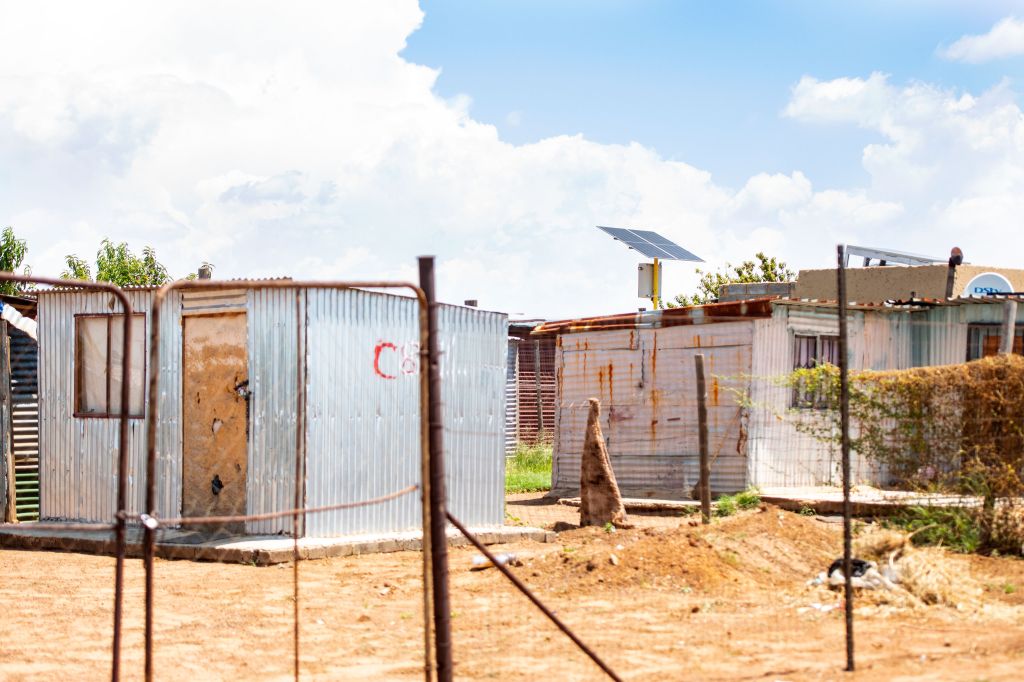
To achieve this, MTN South Africa partnered with Ukukubona NPC and technology partner Lokal Power to design and implement a renewable energy microgrid solution. The project relied on decentralised renewable energy poles (integrated, stand-alone units that combine solar panels and battery storage), locally sourced materials such as sand, stone and cement, prepaid voucher systems for electricity and Wi-Fi and remote monitoring technology to ensure reliable performance whilst also ensuring safety of this critical infrastructure. Implementation wrapped up at the end of 2024, with teams installing six microgrid poles and connecting approximately 100 households to prepaid renewable electricity and Wi-Fi. Community members were trained as voucher resellers and as technicians able to support maintenance and respond to operational issues. Through daily coordination meetings, adaptive planning and close community engagement, the project remained on track and reached households by the intended completion date.
Outcomes and impact
The project delivered several key outcomes. Approximately 100 households were electrified, with cabling installed for the remaining six households who already had lower-grade inverter systems. All connected households gained access to Wi-Fi, enabling learners to use educational platforms.
Economic benefits emerged quickly. The initiative created 15 temporary jobs during implementation and two permanent maintenance roles. Residents who became agents for electricity and Wi-Fi voucher sales began generating income, supporting small emerging micro-enterprises. Households could now access cleaner electricity at a significantly lower cost, a reduction of 46%. As Mabe noted, “This initiative goes beyond providing renewable energy and connectivity – it is about empowering people to take ownership of their future.”
The microgrid model also reduced reliance on fossil-fuel alternatives and demonstrated a scalable, low-carbon approach to expanding essential services in underserved areas. With remote monitoring and community-anchored maintenance and revenue structures, the system was designed for long-term sustainability and future expansion, directly supporting MTN’s climate ambition.
Lessons learnt
Monitoring and evaluation highlighted the importance of accurate site surveys, buffer stock and weather-risk planning, given the severe rainfall and flooding that affected installation timelines. In 2025, MTN and Ukukubona continued quarterly monitoring and explored opportunities to scale the model to more households in Orange Farm and additional communities. The project provided valuable lessons for future microgrid deployments, strengthening MTN South Africa’s ability to deliver climate-aligned, socially inclusive infrastructure at scale.